

īśvara ईश्वर – Īśvara; lord; ruler
adjective · substantive masculine · Word type unspecified
Dictionary sources
AYI dictionary substantive masculine
Cappeller 1891 adjective
Original text · English · adjective
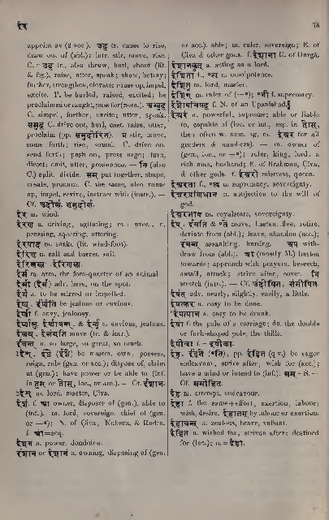
īśvará ·a. powerful, supreme; able or liable to, capable of (loc. or inf., esp. in tos, then often w. nom. sg. m. īśvará for all genders & numbers). -- m. owner of (gen., loc., or --°); ruler, king, lord, a rich man, husband; E. of Brahman, Śiva, & other gods. f. īśvarī mistress, queen.
Monier-Williams 1872 adjective
Original text · English · adjective
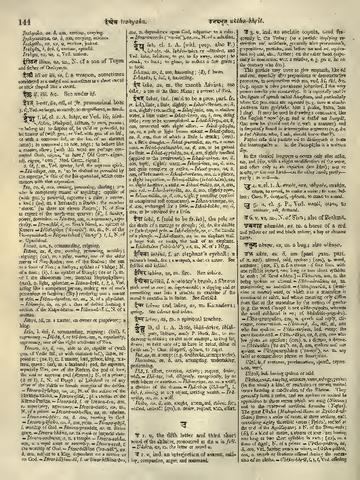
Īśvara, as, ā, am, able to do, capable of (with gen. of Vedic inf., or with common inf.), liable, ex- posed to; (as, ī), m. f. master, lord, prince, king, mis- tress, queen; (as), m. a husband; god, the supreme, especially Śiva, one of the Rudras, the god of love, the soul or supreme soul (ātman), N. of a prince; (ā or ī), f., N. of Durgā; of Lakṣmī or of any other of the Śaktis or female energies of the deities.
Petersburger 1855 adjective · substantive masculine · Word type unspecified
Original text · German · adjective · substantive masculine
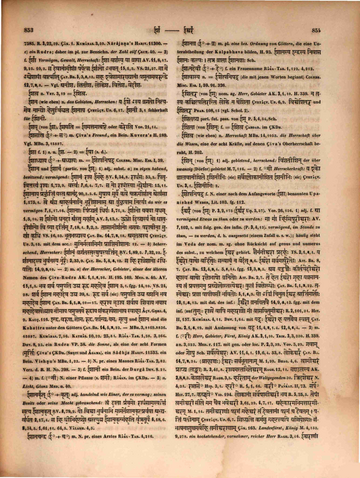
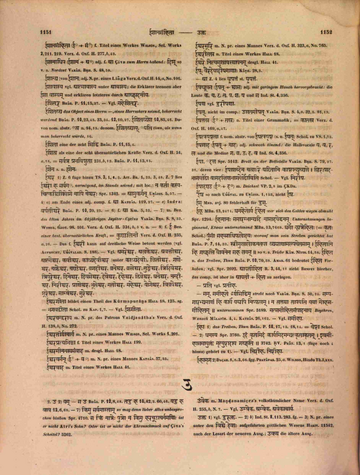
īśvará (von īś) P. 3,2,175 (īśvára Uṇ. 5,57). VOP. 26,156. 1〉 adj. f. ā vermögend Etwas zu thun oder zu werden: mā mā̀ hiṃsiṣurīśva̱rāḥ AV. 7,102,1. mit folg. gen. des infin. (P. 3,4,13). vermögend, im Stande zu thun, — zu werden, d. h. ausgesetzt (einem Zufall u. s. w.); häufig steht im Veda der nom. m. sg. ohne Rücksicht auf genus und numerus des subst., zu welchem īśvara gehört. sainàmīśva̱rā pra̱dahàḥ TS. 2,1,1,1. ya ī̀śva̱ro vā̱co vadìto̱ḥ sanvāca̱ṃ na vadèt TS. 2,1,2,6. īśvaro sarvamāyuraitoḥ AIT. BR. 8,7. ŚAT. BR. 12,4,3,4. fgg. ŚAT. BR. 12,5,1,14. fgg. ŚAT. BR. 13,3,3,5. atha yaduccaiḥ kīrtayedīśvaro hāsya vāco rakṣobhāṣo janitoḥ AIT. BR. 2,7. te heta īśvaro gṛhā yajamānasya taṃ prayantamanu pracyotostasyeśvaraḥ kulaṃ vikṣobdhoḥ ŚAT. BR. 1,1,2,22. tasyeśvaraḥ prajā pāpīyasī bhavitoḥ ŚAT. BR. 5,1,1,9. yo 'gniṃ cinuta īśvara ārtimārtoḥ ŚAT. BR. 10,1,4,13. mit dat. des inf.: īśvarau janayitavai ŚAT. BR. 14,9,4,13. fgg. mit dem inf. (auf tum): rājye vāpi mahārājo māṃ vāsayitumīśvaraḥ R. 2,101,21. HIT. II, 157. KUMĀRAS. 4,11. DEV. 1,64. mit yad: īśvaro ha yattathaiva syāt ŚAT. BR. 2,1,4,19. mit Auslassung von yad ŚAT. BR. 11,4,2,1. ŚAT. BR. 11,4,2,4. ŚAT. BR. 12,4,1,4. — 2〉 m. f. (˚rī) Herr, Gebieter, Fürst, König AK. 3,1,10. TRIK. 3,3,330. H. 359. H. an. 3,523. MED. r. 117. mit gen. oder loc. P. 2,3,39. VOP. 5,29. gavām oder goṣu Sch. sarvàsyeśva̱raḥ AV. 11,4,1. AV. 19,6,4. AV. 19,53,8. lokeśvará ŚAT. BR. 14,7,2,24. (brāhmaṇaḥ) īśvaraḥ sarvabhūtānām M. 1,99. BHAG. 4,6. tvāmīśvaraṃ prāpya (laṅkā) R. 3,41,8. rājyamastamiteśvaram RAGH. 12,11. maṇḍalasya AK. 2,8,1,3. kośaleśvara RAGH. 3,5. haritām der Weltgegenden RAGH. 3,30. tridaśeśvara N. 4,31. rākṣase˚ HIḌ. 3,1. harī˚ R. 1,1,66. karī˚ PAÑCAT. II, 73. sarpe˚ HIT. 27,7. kacchape˚ VID. 194. lokānāṃ sarveṣāmīśvarī bhava R. 5,25,5. teṣāṃ tvamīśvarī sīte mama caiva bhaveśvarī R. 3,61,29. R. 6,7,17. ahaṃkāramabhimantāramīśvaram M. 1,14. tamīśvarāṇāṃ paramaṃ maheśvaraṃ taṃ devatānāṃ paramaṃ ca daivatam . patiṃ patīnām ŚVETĀŚV. UP. 6,7. sidhyanti karmasu mahatsvapi yanniyojyāḥ saṃbhāvanāguṇamavehi tamīśvarāṇām ŚĀK. 163. Landesfürst, König M. 4,153. M. 9,278. ein hochstehender, vornehmer, reicher Herr RAGH. 3,46. īśvarāṇāṃ yatra nṛtyādikaṃ bhavati . sā saṃgītaśālā Sch. zu ŚĀK. 59,2. Gegens. daridra H. 357. MED. r. 117. PAÑCAT. II, 70. PAÑCAT. II,110,23. HIT. I, 13. — 3〉 m. Gemahl N. 4,2. N. 11,8. am Ende eines adj. comp. f. ā MBH. 3,16131. MBH. 14,1940. — 4〉 m. die oberste Gottheit: tasyārthe sarvabhūtānāṃ goptāraṃ dharmamātmajam . vrahmatejomayaṃ daṇḍamasṛjatpūrvamīśvaraḥ .. M. 7,14. YĀJÑ. 3,34. SUŚR. 2,55,6. VP. 2 (Viṣṇu). PRAB. 9,9. PRAB. 110,10. fg. COLEBR. Misc. Ess. I, 230. COLEBR. Misc. Ess. I,244. COLEBR. Misc. Ess. I,251. COLEBR. Misc. Ess. I,381. COLEBR. Misc. Ess. I,407. devā īśvarāḥ R. 6,101,11. N. 4,6. BURN. Lot. de la b. l. 3. Insbesondere heisst so: a〉 Śiva AK. 1,1,1,26. TRIK. 3,3,330. H. 196. H. an. 3,523. MED. r. 117. GṚHYASAṂGR. 1,7. SUŚR. 1,311,5. RAGH. 3,52. KATHĀS. 10,33. — b〉 ein Rudra MBH. 1,2567. MBH. 1,4826. HARIV. 14170. VĀYU-P._in_VP. 121, N. 17. — c〉 der Liebesgott TRIK. H. an. MED. — d〉 die Seele (ātman) TRIK. 1,1,114. — 5〉 N. pr. eines Fürsten MBH. 1,2701. LIA. I, Anh. N. 5. — 6〉 f. ˚rā und ˚rī ein Bein. der Durgā AK. 1,1,1,32. TRIK. 1,1,53. TRIK. 3,3,330. H. 204. H. ś. 55. H. an. 3,523. MED. r. 117. — Vgl. anīśvara.
Original text · German · substantive masculine
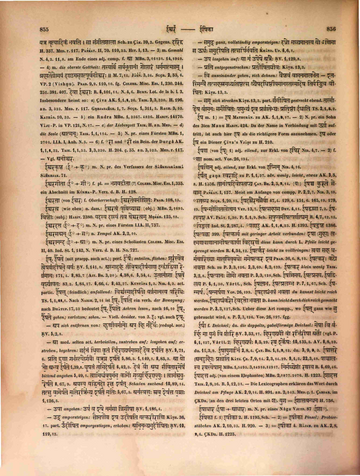
īśvara 1〉 Z. 6 füge hinzu TS. 3,1,1,3. AIT. BR. 1,25. AIT. BR. 3,48. Z. 7 lies īśvaro ha sarvama˚. vermögend, im Stande seiend; mit loc.: na kartā kasyacitkaścinniyoge nāpi ceśvaraḥ Spr. 1342. = āśukarman UṆĀDIS. 5,57. — 1〉a〉 am Ende eines adj. comp. f. ā KATHĀS. 119,97. — e〉 Indra: varṣatīśvare BHĀG. P. 10,20,23. — 6〉 f. ā KIR. 5,33. — 7〉 m. Bez. des 11ten Jahres im 60jährigen Jupiter-Cyclus VARĀH. BṚH. S. 8,33. WEBER, JYOT. 98. WEBER, JYOT. 101. Verz. d. Oxf. H. 331,b,5 v. u. — 8〉 f. ī Bez. einer best. übernatürlichen Kraft, = kuṇḍalinī Verz. d. Oxf. H. 235,a,26. — Das f. īśvarī kann auf dreifache Weise betont werden (vgl. AUFRECHT, UJJVALAD. S. 188). — Vgl. amareśvara, alakeśvara, avantīśvara, ātmeśvara, kavīśvara, kāvyadevīśvara (unter kāvyadevī), kṣitīśvara, gaṇeśvara, cakreśvara, caṇḍeśvara, jagadīśvara, janeśvara, jaleśvara, tuṅgeśvara, tridiveśvara, tripureśvara, dineśvara, divaseśvara, deveśvara, deheśvara, dvijeśvara, dhaneśvara, nandīśvara, nirīśvara, prāṇeśvara, bhūteśvara, matīśvara, maheśvara, yogeśvara, vijayeśvara, śūreśvara, sāmbeśvara, sureśvara.
Original text · German · Word type unspecified
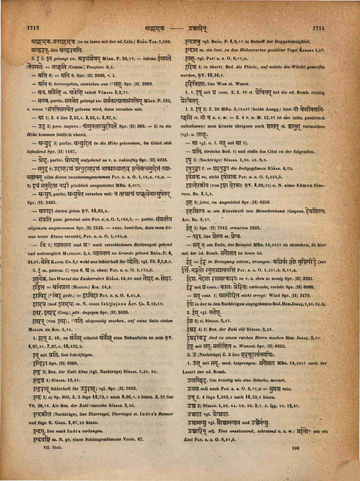
īśvara 4〉b〉 Bez. der Zahl eilf SŪRYAS. 2,23.
Böhtlingk 1879 adjective · substantive masculine · Word type unspecified
Original text · German · adjective · substantive masculine
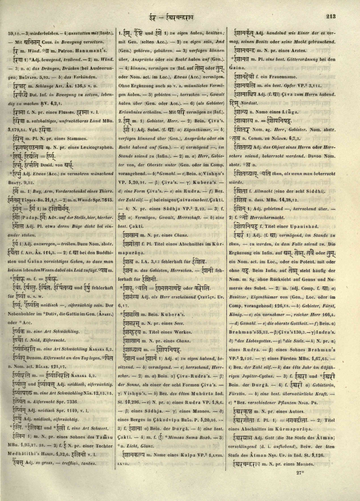
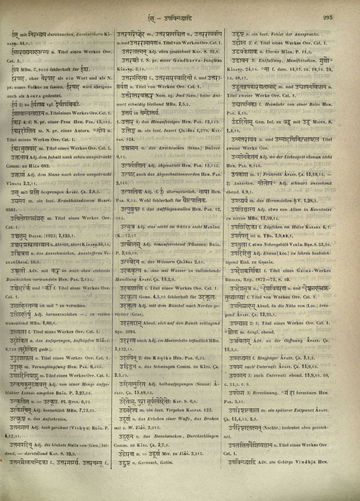
īśvará — 1〉 Adj. (f. ā) vermögend, im Stande zu thun, — zu werden, indem Falle seiend zu. Die Ergänzung ein Infin. auf as, tos, tavai oder tum, ein Nom. act. im Loc., oder ein Potent. mit oder ohne yad Beim Infin. auf tos steht häufig der Nom. m. Sg. ohne Rücksicht auf Genus und Numerus des Subst. — 2〉 m. (adj. Comp. f. ā) — a〉 Besitzer, Eigenthümer von (Gen., Loc. oder im Comp. vorangehend) Chr. 126,18. — b〉 Gebieter, Fürst, König. — c〉 ein vornehmer —, reicher Herr Chr. 166,4. — d〉 Gemahl. — e〉 die oberste Gottheit. — f〉 Bein. — α〉 Brahmanʼs Chr. 55,33. — β〉 Śivaʼs Chr. 130,3. — γ〉 Indraʼs. — δ〉 *des Liebesgottes. — g〉 *die Seele. — h〉 N. pr. — α〉 eines Rudra. — β〉 eines Sohnes Brahmanʼs VP.² 2,126. — γ〉 eines Fürsten MBH. 1,67,65. — i〉 Bez. der Zahl eilf. — k〉 das 11te Jahr im 60 jährigen Jupiter-Cyclus. — 3〉 f. īśvarā und *īśvarī Bein. der Durgā. — 4〉 f. īśvarī — a〉 Gebieterin, Fürstin. — b〉 eine best. übernatürliche Kraft. — c〉 *Bez. verschiedener Pflanzen NIGH. PR.
Original text · German · Word type unspecified
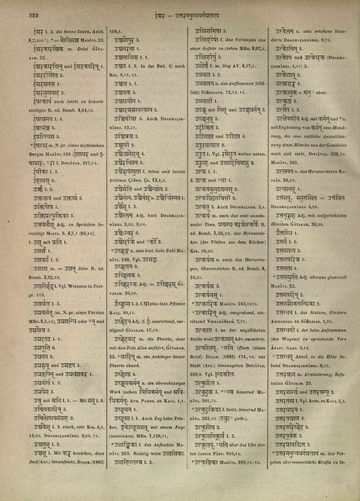
īśvara 4〉d〉 N. pr. einer Frau HEM. PAR. 13,182. [Nachtrag, Band 2]
Original text · German · Word type unspecified
īśvara I. 2. die Sonne (Journ. Asiat. 8,7,205¹). *= vodhisattva MAHĀVY. 23. [Nachtrag, Band 7]
Apte 1890 adjective · substantive masculine
Original text · English · adjective · substantive masculine
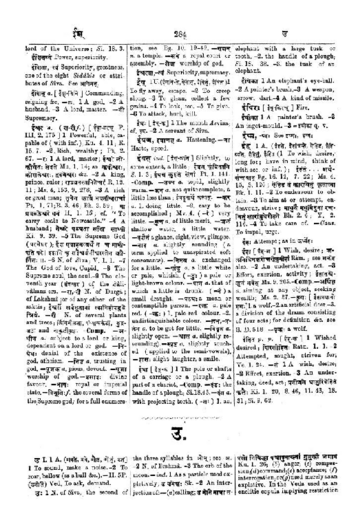
īśvara a. (rā-rī f.) [īś-varac P. III. 2. 175] 1 Powerful, able, capable of (with inf.); Ku. 4. 11; R. 15. 7. 2 Rich, wealthy; Pt. 2. 67. — raḥ 1 A lord, master; īśvaraṃ lokorthataḥ sevate Mu. 1. 14; so kapīśvaraḥ, kośaleśvaraḥ, hṛdayeśvaraḥ &c. 2 A king, prince, ruler; rājyamastamiteśvaraṃ R. 12. 11; Ms. 4. 153, Ms. 9. 278. 3 A rich or great man; tṛṇena kāṃrya bhavatīśvarāṇāṃ Pt. 1. 71; R. 3. 46; Bh. 3. 59; mā prayaccheśvare dhanaṃ H. 1. 15; cf. “To carry coals to Newcastle.” 4 A husband; neśvare paruṣatā sakhi sādhvī Ki. 9. 39. 5 The Supreme God (parameśvara); īśa evāhamatyarthaṃ na ca māmīśate pare . dadābhi ca sadaiśvaryamīśvarastena kīrtitaḥ ... 6 N. of Śiva; V. 1. 1. 7 The God of love, Cupid. 8 The Supreme soul; the soul. 9 The eleventh year (saṃvatsara) of the Śālivāhana era. — rā, -rī N. of Durgā; of Lakṣmī; or of any other of the saktis; īśvarīṃ sarvabhūtānāṃ tvāmihopahvaye śriyaṃ. — rī N. of several plants and trees; liṃginīlatā, vaṃdhyākarkaṭī, kṣudrajaṭā and nākulīvṛkṣa. Comp. — adhīna a. subject to a lord or king, dependent on a lord or god. — niṣedhaḥ denial of the existence of god, atheism. — niṣṭha a. trusting in god. — pūjaka a. pious, devout. — pūjā worship of god. — prasādaḥ divine favour. — bhāvaḥ royal or imperial state. — vibhūtiḥ f. the several forms of the Supreme god; for a full ([Page 0284-b]) enumeration, see Bg. 10. 19-42. — sadman n. a temple. — sabhaṃ a royal court or assembly. — sevā worship of god.
Cappeller 1887 Word type unspecified
Original text · German · Word type unspecified
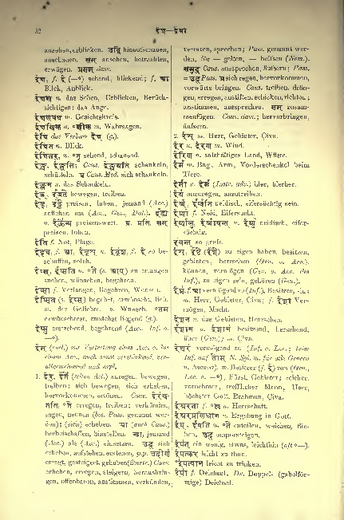
īśvará vermögend zu (Inf. o. Loc.; beim Inf. auf tos N. Sgl. m. für alle Genera u. Numeri).m. Besitzer (f. ī) von Gen., Loc. o. —˚), Fürst, Gebieter; reicher, vornehmer, trefflicher Mann, Herr, höchster Gott, Brahman, Śiva.
Burnouf 1866 adjective
Original text · French · adjective
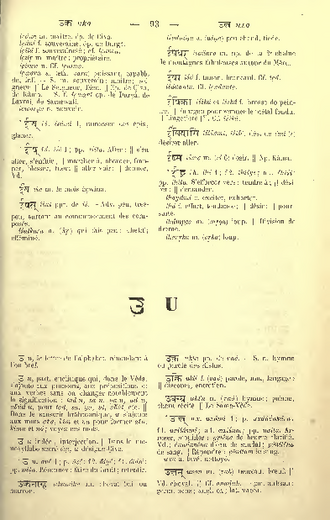
īśvara a. (sfx. vara) puissant, capable de, inf. — S. m. souverain; maître; seigneur. Le Seigneur, Dieu. Ép. de Śiva, de Kāma. — S. f. īśvarī ép. de Durgā, de Lakṣmī, de Sarasvatī.
Derived words
Occurrences in source texts (31)
DYS 1 occurrence
HP 5 occurrences
HP 3.103-3.107*2: Conclusion of the Mudrā Teaching 1 occurrence
Direct occurrences
-
HP 3.107*1 Segment 14
MandUp 1 occurrence
PJH 2 occurrences
PYS 5 occurrences
SiSa 13 occurrences
SiSa 1.10-1.16: Lehrmeinungen 2 occurrences
Direct occurrences
SiSa 1.51-1.64: Selbst als Licht 2 occurrences
Direct occurrences
5 more source pages
SiSa 5.191-5.207: Kailāsa und Mahāśūnya 1 occurrence
Occurrences through derived words
-
SiSa 5.195 Segment 7
SVU 1 occurrence
Continue with AYI Free
Image source: AYI archive.