

kara कर – making; producing
adjective · substantive masculine · Word type unspecified
Dictionary sources
AYI dictionary adjective · substantive masculine
Cappeller 1891 substantive masculine · Word type unspecified
Original text · English · Word type unspecified
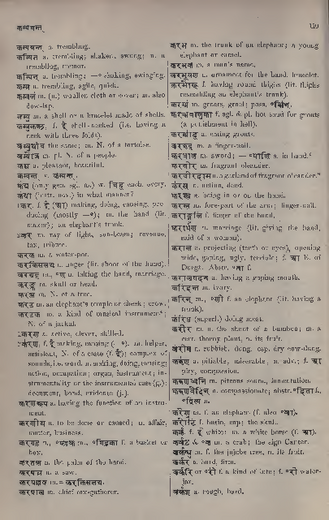
kará ·f. ī1 (ā) making, doing, causing, producing (mostly --°); m. the hand (lit. maker); an elephant's trunk.
Original text · English · substantive masculine
kara2 ·m. ray of light, sun-beam; revenue, tax, tribute.
Monier-Williams 1872 adjective · substantive masculine · Word type unspecified
Original text · English · adjective
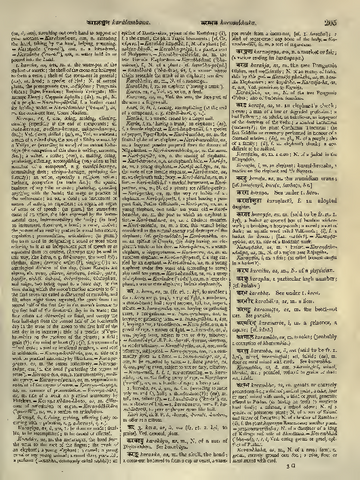
kara 3 . kara, as, ā, am (fr. rt. 2. kṛ, to praise), Ved. devoted, pious.
Original text · English · substantive masculine
kara 2 . kara, as, m. (fr. rt. 1. kṝ, to scatter; for 1. kara see p. 204), a ray of light, a sun-beam, a moon-beam; hail; royal revenue, toll, tax, import, tribute.
Original text · English · Word type unspecified
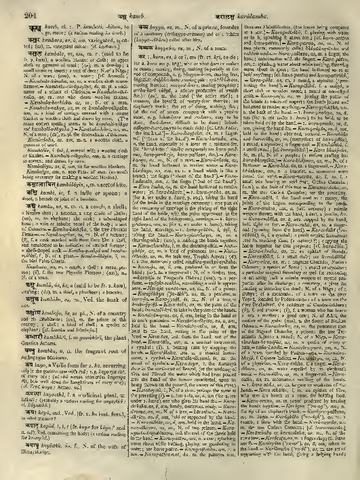
kara 1 . kara, as, ā or ī, am (fr. rt. kṛ, to do; for 2. kara see p. 205), who or what does or makes or causes; causing, doing, making (especially at the end of compounds, e. g. bhayaṅ-kara, causing fear, frightful; duḥkha-kara, causing pain; vṛddhi-kara, causing increase; sampat-kara, causing prosperity; artha-karī vidyā, a science productive of wealth &c.); (as), m. the hand (‘the active one’); a measure, the breadth of twenty-four thumbs; an elephant's trunk; the act of doing, making, &c.; (at the end of several compounds with a passive sense, e. g. īṣat-kara and su-kara, easy to be done; duṣ-kara, difficult to be done; īṣad- āḍhyaṅ-kara, easy to be made rich); [cf. Lith. kaire, ‘the left hand.’]
Petersburger 1855 adjective · substantive masculine · Word type unspecified
Original text · German · adjective · substantive masculine
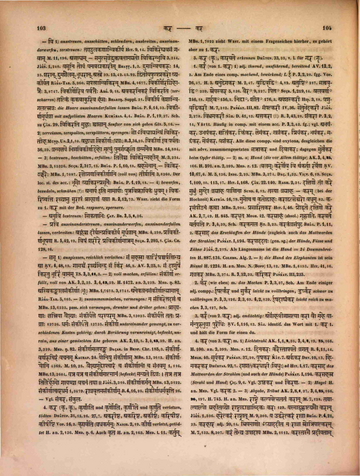
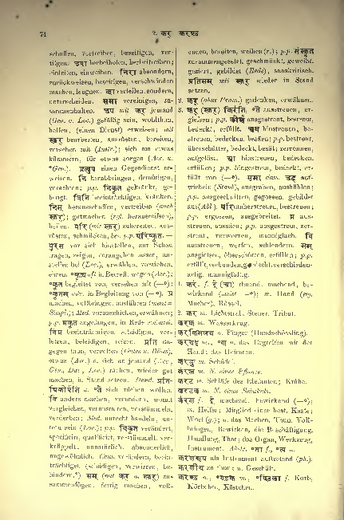
1. kará (von 1. kar) 1〉 adj. thuend, ausführend, bereitend AV. 12,2,2. Am Ende eines comp. machend, bewirkend; f. ī P. 3,2,20. fgg. VOP. 26,47. H. 5. anudvegakara M. 2,47. buddhivṛddhi˚ M. 4,19. atuṣṭi˚ M. 217. sattvavṛddhi˚ M. 259. śreyaskara M. 5,136. vaira˚ M. 9,227. pitta˚ SUŚR. 1,219,14. balavarṇa˚ SUŚR. 246,18. mārdava˚ SUŚR. 156,2. nidrā˚, śīta˚ SUŚR. 176,3. ayaśaskarī HIḌ. 3,18. paśuvṛddhikarī M. 7,212. PAÑCAT. III, 82. saṃpatkarī PAÑCAT. IV, 36. setubhedakarī YĀJÑ. 2,278. vibhramakarī SĀH. D. 41,13. antakarā (!) R. 3,43,28. śaṃkarā P. 3,2,14, Vārtt. Häufig in comp. mit einem acc. P. 3,2,43. fg.; vgl. abhayaṃkara, ubhayaṃkara, ṛtiṃkara, kiṃkara, kṣemaṃkara, khajaṃkara, priyaṃkara, bhayaṃkara, madraṃkara, meghaṃkara, vaśaṃkara. Alle diese compp. sind oxytona, desgleichen die mit advv. zusammengesetzten satrākara und divākara; dagegen sutékara beim Opfer thätig. — 2〉 m. a〉 Hand (die vor Allem thätige) AK. 3,4,25,166. H. 591. H. an. 2,399. MED. r. 12. (valam) ka̱reṇèva̱ vi càkartā̱ ravèṇa ṚV. 10,67,6. M. 5,136. INDR. 2,25. MBH. 3,374. DAŚ. 1,32. VIŚV. 6,19. SUŚR. 1,109,10. SUŚR. 1,115,17. HIT. I, 168. ŚĀK. 22. ŚĀK. 140. RAGH. 2,31. dakṣiṇe tāṃ kare subhruṃ sundo jagrāha pāṇinā SUND. 4,12. tasyā jagrāha — karam (bei der Hochzeit) KATHĀS. 16,79. mumoca ca katodvāhaḥ karādvatseśvaro vadhūm KATHĀS. 82. karasaṃpīḍanaṃ kṛtvā MBH. 2,904. prasāritakara HIT. I, 46. proddhṛte dakṣiṇe kare AK. 2,7,49. H. 845. karadhṛta MEGH. 12. karagrāhaṃ (absol.) gṛhṇāti, karavartaṃ vartayati P. 3,4,39, Sch. karakamala ṚT. 3,23. karakaṃjasaṃpuṭa BHĀG. P. 1,11,2. karasāda das Erschlaffen der Hände (zugleich auch das Mattwerden der Strahlen) PAÑCAT. I, 194. karapādadataḥ (gen. sg.) der Hände, Füsse und Zähne YĀJÑ. 2,219. Als Längenmaass ist die Hand = 24 Daumenbreiten H. 887. H. 134. COLEBR. Alg. 2. — b〉 die Hand des Elephanten ist sein Rüssel H. 1224. H. an. MED. N. (BOPP.) 13,12. MBH. 1,8153. HIT. 41,16. gajakara MBH. 3,374. R. 3,52,32. karikara PAÑCAT. III, 235.
Original text · German · adjective
3. kará (von 2. kar) adj. andächtig: ajòhavīnnāsatyā ka̱rā vā̀ṃ ma̱he yāmànpurubhujā̱ puràṃdhiḥ ṚV. 1,116,13. SĀY. identif. das Wort mit 1. kara 1. und hält die Form für einen du.
Original text · German · substantive masculine
2. kára (wie eben) m. das Machen P. 3,3,57, Sch. Am Ende einiger adj. compp.: īṣatkára und sukára leicht zu vollbringen, duṣkára schwer zu vollbringen P. 3,3,126. P. 2,3,69. P. 6,2,139. īṣadāḍhyaṃkara leicht reich zu machen P. 3,3,127, Sch.
Original text · German · substantive masculine
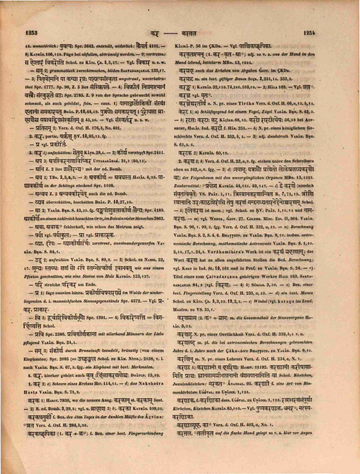
4. kara (von 3. kar) m. 1〉 Lichtstrahl AK. 1,1,2,35. AK. 3,4,2,19. AK. 3,4,25,166. H. 100. H. an. 2,399. MED. r. 12. dinakaraḥ karaistāpayate jagat R. 6,11,44. MEGH. 40. sūryakara PAÑCAT. 37,20. pūṣakara CĀT. 7. arkakara DEV. 10,13. himakarakara DHŪRTAS. 92,7. daśaśatakaradhārī (vidhuḥ) ad HIT. I, 17. karasāda das Mattwerden der Strahlen (und auch der Hände) PAÑCAT. I, 194. karasahasra (Strahl und Hand) ŚIŚ. 9,6. Vgl. uṣṇakara und kiraṇa. — 2〉 Hagel H. an. MED. Vgl. karaka 2. — 3〉 Abgabe, Tribut AK. 2,8,1,27. AK. 3,4,25,166. AK. 3,4,26,197. H. 745. H. an. MED. rāṣṭre kalpayetsatataṃ karān M. 7,128. tathālpālpo grahītavyo rāṣṭrādrājñābdikaḥ karaḥ M. 129. yasmādgṛhṇātyasau karān YĀJÑ. 1,336. haretkaraṃ rāṣṭrāt M. 9,305. ya uddharetkaraṃ rājā BHĀG. P. 4,21,23. karahāra adj. BHĀG. P. 20,14. mriyamāṇo 'pyādadīta na rājā śrotriyātkaram M. 7,133. M. 8,307. karaṃ tebhya upādāya MBH. 2,1113. karastasmai pradīyatām MBH. 2,1007. kṣaumājināni divyāni tasya te pradaduḥ karam MBH. 2,1053. RAGH. 4,58. baṇijo dāpayetkarān M. 7,127. M. 7,137. M. 8,394. MBH. 3,15239. fg. karamāhārayiṣyāmi rājñā̀ sarvān MBH. 2,985. MBH. 2,1101. jārāsaṃdhiṃ sāntvayitvā kare ca viniveśya MBH. 3,1092. gṛhapatisakara wovon der Hausherr Abgabe erhebt SADDH. P. 4,19,a.
Original text · German · Word type unspecified
1. kara 2〉c〉 Scheere eines Krebses HIT. 114,14. — d〉 das Nakṣatra Hasta VARĀH. BṚH. S. 71,9.
Böhtlingk 1879 adjective · substantive masculine · Word type unspecified
Original text · German · adjective · substantive masculine
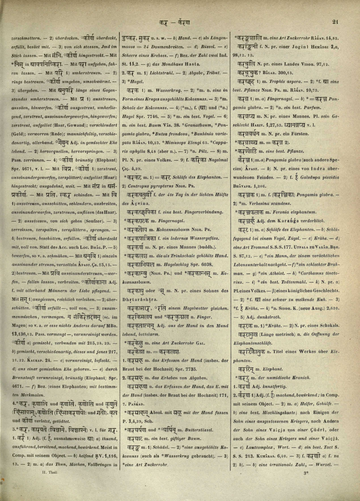
1. kará — 1〉 Adj. (f. ī, ausnahmsweise ā) — a〉 thuend, ausführend, bereitend, machend, bewirkend. Meist in Comp. mit seinem Object. — b〉 helfend ṚV. 1,116,13. — 2〉 m. — a〉 das Thun, Machen, Vollbringen in [Page2-021-b] duṣkara, sukara u. s. w. — b〉 Hand. — c〉 als Längenmaass = 24 Daumenbreiten. — d〉 Rüssel. — e〉 Scheere eines Krebses. — f〉 Bez. der Zahl zwei Ind. St. 15,2. — g〉 das Mondhaus Hasta.
Original text · German · substantive masculine
2. kara m. — 1〉 Lichtstrahl. — 2〉 Abgabe, Tribut. — 3〉 *Hagel.
Original text · German · Word type unspecified
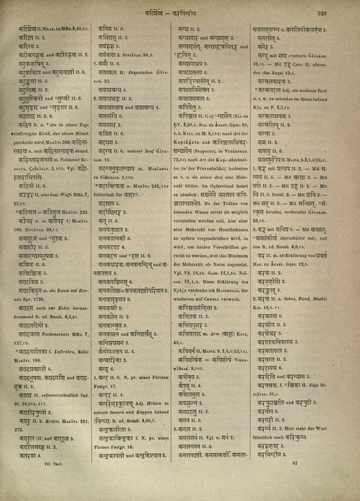
kara II. m. als Erklärung von pravarta HAR. zu ĀPAST. GṚHY. 12,9. [Nachtrag, Band 7]
Apte 1890 adjective · substantive masculine
Original text · English · adjective · substantive masculine
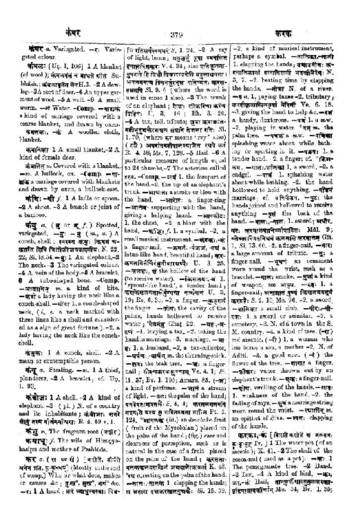
kara a. (rā or rī) [karoti, kīryate anena iti, kṛ-kṝ-ap] (Mostly at the end of comp.) Who or what does, makes or causes &c; duḥkha˚, sukha˚, bhayaṃ˚ &c. — raḥ 1 A hand; karaṃ vyādhunvatyāḥ ([Page 0379-b]) pibasi ratisarvasvamadharaṃ Ś. 1. 24. 2 A ray of light, beam; yamuddhartuṃ pūṣā vyavasita ivālaṃbitakaraḥ V. 4. 34; also pratikūlatāmupagate hi vidhau viphalatvameti bahusādhanatā . avalaṃbanāya dinabharturabhūnna patiṣyataḥ karasahasramapi Śi. 9. 6 (where the word is used in sense 1 also). 3 The trunk of an elephant; sekaḥ sīkariṇā kareṇa vihitaḥ U. 3. 16; Bh. 3. 20. 4 A tax, toll, tribute; yuvā karākrāṃtamahībhṛduccakairasaṃśayaṃ saṃprati tejasā raviḥ Śi. 1. 70; (where kara means ‘ray’ also) (dadau) aparāṃtamahīpālavyājena raghave karaṃ R. 4. 58; Ms. 7. 128. 5 Hail. 6 A particular measure of length equal to 24 thumbs. 7 The asterism called hasta. Comp. — agraṃ 1 the forepart of the hand. 2 the tip of an elephant's trunk. — āghātaḥ a stroke or blow with the hand. — āroṭaḥ a finger-ring — ālaṃbaḥ supporting with the hand, giving a helping hand. — āsphoṭaḥ 1 the chest. 2 a blow with the hand. — ṛddhiḥ f. 1 a cymbal. 2 a small musical instrument. — kaṃṭakaḥ, -kaṃ a fingernail. — kamalaṃ, -paṃkajaṃ, -padmaṃ a lotus-like hand, beautiful hand; karakamalavitīrṇairaṃbunīvāraśaṣpaiḥ U. 3. 25. — kalaśaḥ, śaṃ the hollow of the hand (to receive water). — kisalayaḥ, -yaṃ 1 ‘sprout-like hand’, a tender hand; karakisalayatālairmugdhayā nartyamānaṃ U. 3. 19; Rs. 6. 30. 2 a finger. — kuḍmalaṃ the finger. — koṣaḥ the cavity of the palms, hands hollowed to receive water; ˚peyamaṃbu Ghaṭ. 22. — grahaḥ, — grahaṇaṃ 1 levying a tax. 2 taking the hand in marriage. 3 marriage. — grāhaḥ 1 a husband. 2 a tax-collector. — gharṣaṇaḥ, -gharṣin m. the churning-stick. — chadaḥ the teak tree. — jaḥ a fingernail; tīkṣṇakarajakṣuṇṇāt Ve. 4. 1; Śi. 11. 37; Bv. 1. 105; Amaru. 85. — (jaṃ) a kind of perfume. — jālaṃ a stream of light. — talaḥ the palm of the hand; vanadevatākaratalaiḥ Ś. 4. 4; karatalagatamapi naśyati yasya tu bhavitavyatā nārita Pt. 2. 124. ˚āmalakaṃ (lit.) an āmalaka fruit (fruit of the Myrobalan) placed on the palm of the hand; (fig.) ease and clearness of perception, such as is natural in the case of a fruit placed on the palm of the hand; karatalāmalakaphalavadakhilaṃ jagadālokayatāṃ K. 43. ˚stha a. resting on the palm of the hand. — tālaḥ, -tālakaṃ 1 clapping the hands; sa jahāsa dattakaratālamuccakaiḥ Śi. 15. 39. ([Page 0379-c]) 2 a kind of musical instrument, perhaps a cymbal. — tālikā, -tālī 1 clapping the hands; uccāṭanīyaḥ karatālikānāṃ dānādidānīṃ bhavatībhireṣaḥ N. 3. 7. 2 beating time by clapping the hands. — toyā N. of a river. — da a. 1 paying taxes 2 tributary; karadīkṛtākhilanṛpāṃ medinīṃ Ve. 6. 18. 3 giving the hand to help &c. — dakṣa a. handy, dexterous. — patraṃ 1 a saw. 2 playing in water. ˚vat m. the palm tree. — patrakaṃ a saw. — patrikā splashing water about while bathing or sporting in it. — pallavaḥ 1 a tender hand. 2 a finger; cf. ˚kisalaya. — pālaḥ, pālikā 1 a sword. 2 a cudgel. — pātraṃ 1 splashing water about while bathing. 2 the hand hollowed to hold anything. — pīḍanaṃ marriage; cf. pāṇipīḍana. — puṭaḥ the hands joined and hollowed to receive anything. — pṛṣṭhaṃ the back of the hand. — bālaḥ, -vālaḥ 1 sword; aghoraghaṃṭaḥ karavālapāṇirvyāpāditaḥ Māl. 9; mlecchanivahanidhane kalayasi karavālam Gīt. 1, Śi. 13. 60. 2 a fingernail. — bhāraḥ a large amount of tribute. — bhūḥ a fingernail. — bhūṣaṇaṃ an ornament worn round the wrist, such as a bracelet. — mālaḥ smoke. — muktaṃ a kind of weapon; see āyudha. — ruhaḥ 1 a fingernail; anāghrātaṃ puṣpaṃ kisalayamalūnaṃ kararuhaiḥ Ś. 2. 10; Me. 96. 2 a sword. — vālikā a small club. — vīraḥ, — vīrakaḥ 1 a sword or scimitar. 2 a cemetery. 3 N. of a town in the S. M. country. 4 a kind of tree. — (rā) red arsenic. — (rī) 1 a woman who has borne a son, a mother 2 N. of Aditi. 3 a good cow. — (raṃ) the flower of the tree. — śākhā a finger. — śīkaraḥ water thrown out by an elephant's trunk. — śūkaḥ a fingernail. — śothaḥ swelling of the hands. — sādaḥ 1 weakness of the hand. 2 the fading of rays. — sūtraṃ a marriage string worn round the wrist. — sthālin m. an epithet of Śiva. — svanaḥ clapping of the hands.
Cappeller 1887 substantive masculine · Word type unspecified
Original text · German · substantive masculine
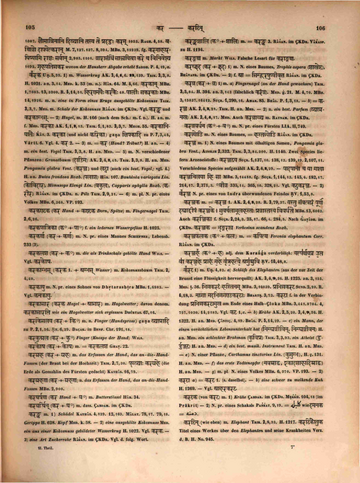
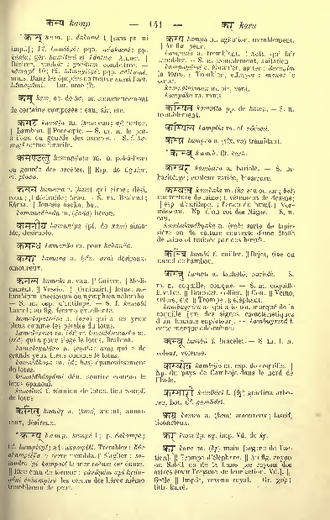
2. kara m. Lichtstrah Steuer, Tribut.
Original text · German · Word type unspecified
1. kara f. ī (ā) thuend, machend, bewirkend (meist —˚) m. Hand (eig. Macher), Rüssel.
Burnouf 1866 substantive masculine · Word type unspecified
Original text · French · substantive masculine
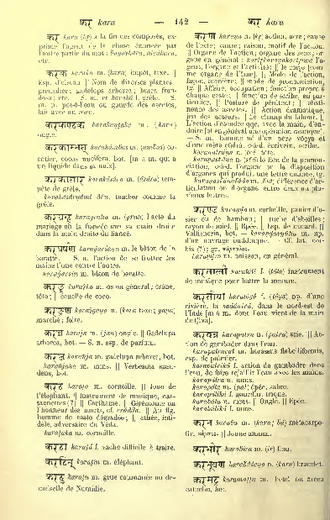
kara kara m. (kṛ) main [organe de l'action]. Trompe d'éléphant. Au fig. rayon du Soleil ou de la Lune [les rayons des astres étant l'organe de leur action, Vd.]. Grêle. Impôt, revenu royal. — Gr. χείρ; lith. kairè.
Original text · French · Word type unspecified
kara kara 2p. sg. imp. Vd. de kṛ.
Original text · French · Word type unspecified
kara kara (kṛ) à la fin des composés, exprime l'agent de la chose énoncée par l'autre partie du mot: bhayaṅkara, niśākara, etc.
Occurrences in source texts (27)
DYS 5 occurrences
DYS 168–179*1: Vajrolī for the Yoginī 2 occurrences
Direct occurrences
GoS 2 occurrences
HP 12 occurrences
SiSa 3 occurrences
SS 1 occurrence
SVU 3 occurrences
VBT 1 occurrence
Continue with AYI Free
Image source: AYI archive.