


Patañjali Yoga Sūtra 1.43
स्मृतिपरिशुद्धौ स्वरूपशून्येवार्थमात्रनिर्भासा निर्वितर्का ||43||
smṛti-pariśuddhau svarūpa-śūnyevārthamātra-nirbhāsā nirvitarkā ||43|| Analysis ▾ Analysis ▴
|
smṛti
|
of memory | |
|
pariśuddhau
|
upon complete purification | |
|
svarūpa
|
of its own form | |
|
śūnyā
|
empty | |
|
iva
|
as if | |
|
arthamātra
|
the object alone | |
|
nirbhāsā
|
causing to shine forth | |
|
nirvitarkā
|
without gross deliberation |
Upon complete purification of memory (smṛti-pariśuddhau | loc absl sg), [the Samāpatti is] without gross deliberation (nirvitarkā | nom sg f): as if (iva) empty of its own form (svarūpa-śūnyā | nom sg f) and causing the object alone to shine forth (artha-mātra-nirbhāsā | nom sg f).
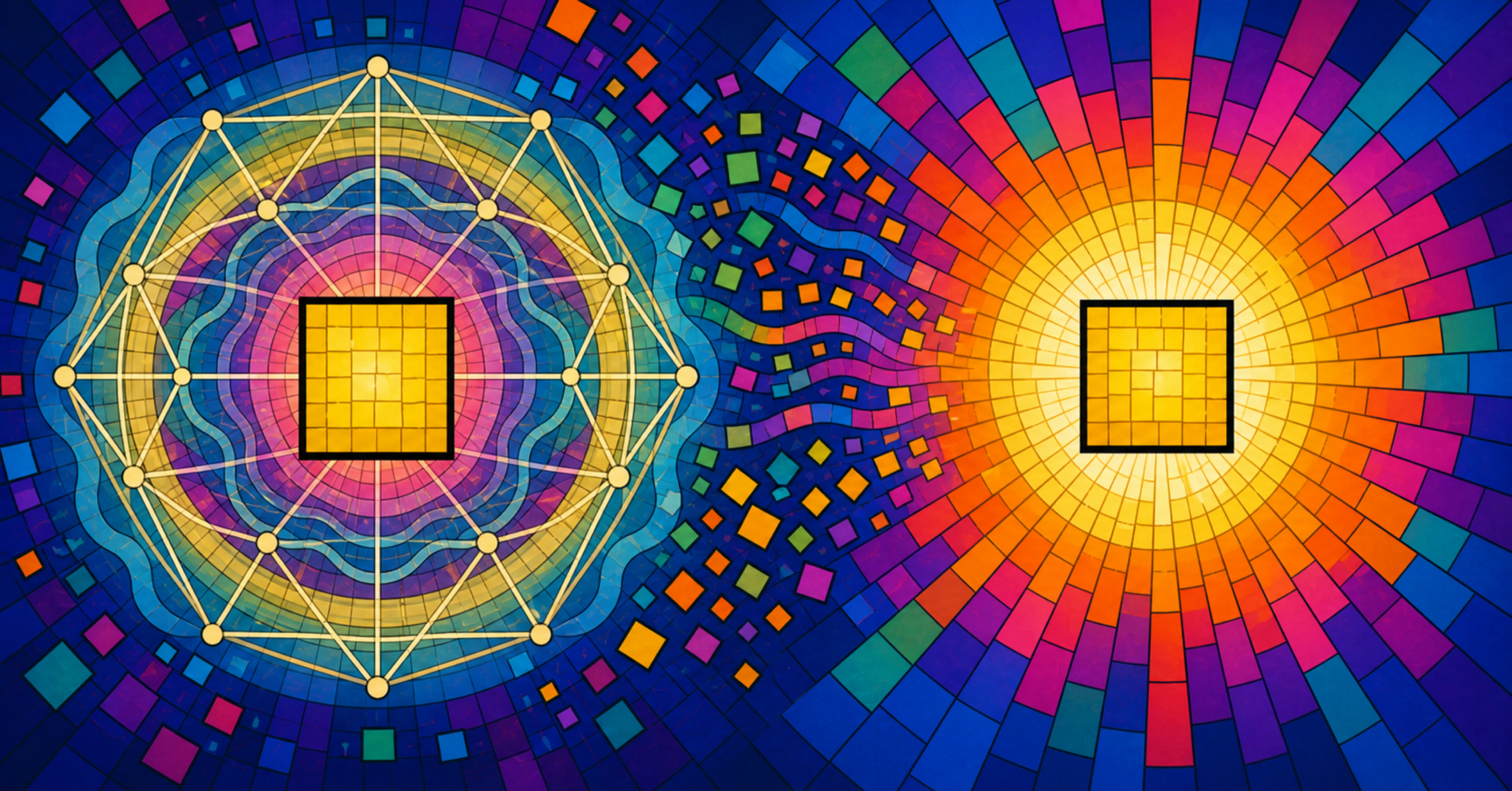
For a few breaths, meet a familiar object as though for the first time. Let names and preconceptions soften so that colour, form, sound, or touch can appear freshly.
In nirvitarkā-samāpatti, memory of verbal convention and of knowledge from tradition and inference has been purified. Prajñā, colored by the apprehended object, relinquishes as it were its own cognitive form and appears solely as that object. The Bhāṣya adds an ontological defense of this gross object: things such as a cow or pot are real wholes (avayavin) apprehended as unities, not merely unreal heaps of atoms. Otherwise nirvitarkā-samāpatti would have no object and nearly all ordinary cognition would be false.
On the clearing off the memory (of the word and the sense attached to it by convention), the (Mental) Display only of the thing itself as if of something indefinitive (and no Longer referred to any term - no longer regarded as being what is meant by the word ‘Cow’ or what is Meant by the word ‘horse’ etc.). This (affection of the mind which no longer reflects A mixed object of thought) is that which is called technically the ‘Non-Argumentative’.
The non-argumentative is that in which, on the dissolution of memory, the meaning (or object,) alone, is apparent, and which appears as if devoid of its own identity.
Sie heißt eine zweifelfreie (nirvitarkā), wenn sie, von den [aus einer früheren Geburt stammenden] Erinnerungen gereinigt und gleichsam der eigenen Natur ledig, nur das Objekt widerspiegelt.
When the memory is quite purified, [that balanced-state] which is, as it were, empty of itself and which brightens [into conscious knowledge] as the intended-object and nothing more is super-deliberative.
Continue with AYI Free
Illustrations: AI-generated.


Please log in to write a message. Go to login