

iva इव – like; as if
adverb · particle · Word type unspecified
Dictionary sources
AYI dictionary particle
like; as if
Cappeller 1891 Word type unspecified
Original text · English · Word type unspecified
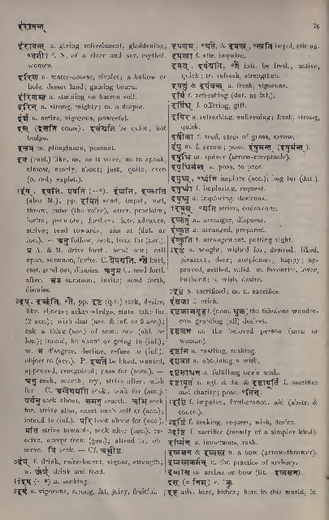
iva ·(encl.) like, as, as it were, so to speak, almost, nearly, about; just, quite, even (o. only explet.).
Monier-Williams 1872 particle
Original text · English · particle
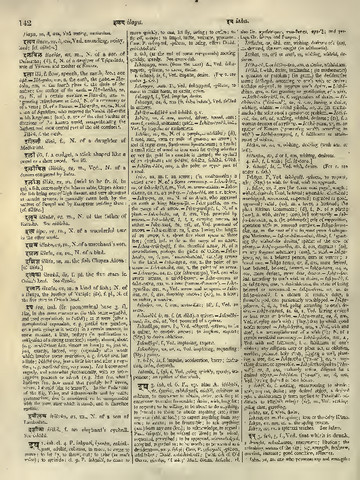
iva iva, ind. (fr. pronominal base 3. i), like, in the same manner as (in this sense = yathā, and used correlatively to tathā); as it were (after a metaphorical expression, e. g. pathā iva yantau, on a path going as it were); in a certain manner, in some measure, a little, perhaps (in qualification or mitigation of a strong assertion); nearly, almost, about (e. g. muhūrtam iva, almost an hour); so, just so, just, exactly, indeed, very (especially after words which involve some restriction, e. g. īṣad iva, just a little; kiñcid iva, just a little bit: and after a nega- tion, e. g. nacirād iva, very soon). Iva is connected vaguely, and somewhat pleonastically, with an inter- rogative pronoun or adverb (e. g. kim iva, what ? katham iva, how could that possibly be ? kveva, where, I should like to know ?). In the Pada texts of the Ṛg, Yajur, and Atharva-veda, and by native grammarians, iva is considered to be compounded with the word after which it stands, and is therefore enclitic.
Petersburger 1855 particle · Word type unspecified
Original text · German · particle
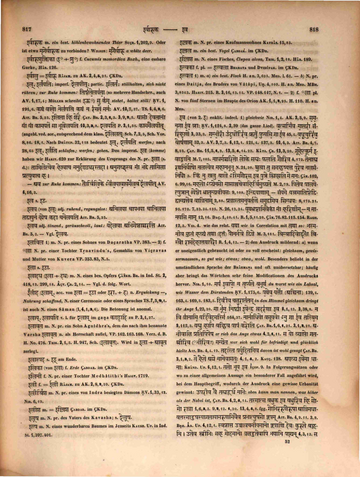
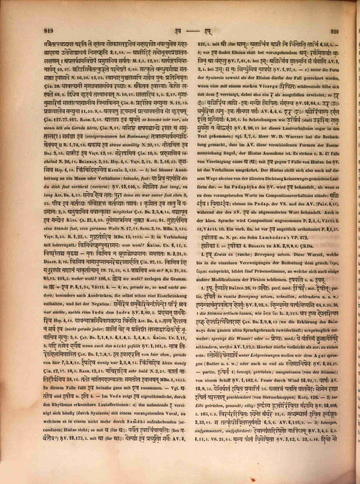
iva (von 2. i) enklit. indecl. 1〉 gleichwie NIR. 1,4. AK. 3,5,9. sa̱ma̱na̱gā ìva̱ vrāḥ ṚV. 1,124,8. ṚV. 1,2,39 (das ganze Lied). va̱tsamìva mā̱tarā̀ saṃrihā̱ṇe ṚV. 3,33,3. ga̱mbhī̱rām̐ ùda̱dhīṃrìva̱ kratùṃ puṣyasi̱ gā ìva ṚV. 3,45,4. va̱dhū̱yurìva̱ yoṣàṇām ṚV. 3,52,3. AV. 3,7,3. AV. 6,12,1. AV. 6,121,4. AV. 6,137,2. AV. 10,4,3. AIT. BR. 4,7. AIT. BR. 8,25. ŚAT. BR. 11,5,1,3. ŚAT. BR. 13,5,4,14. ŚAT. BR. 13,5,4,23. KĀTY. ŚR. 13,3,20. gūhetkūrma ivāṅgāni M. 7,105. nādharmaścarito loke sadyaḥ phalati gauriva M. 4,172. tenādya rathanirghoṣo nalasyeva mahānabhūn N. 21,30. śrutvā tu samahṛṣyanta pureva nalasaṃnidhau 3. kiṃ nu khalu bāle 'sminnaurasa iva putre snihyati me manaḥ ŚĀK. 102,6. ŚĀK. 99,16. mahato 'pyenaso māsāttvacevāhirvimucyate M. 2,79. piteva pālayetputrān jyeṣṭho bhrātṝnyavīyasaḥ M. 9,108. indriyāṇām — saṃyame yatnamātiṣṭhedvidvānyanteva vājinām M. 2,88. prajāstamanuvartante samudramiva sindhavaḥ M. 8,175. M. 8,21. M. 8,95. M. 8,173. M. 7,33. M. 7,34. M. 7,135. N. 26,13. N. 26,34. yūthabhraṣṭāmivaikāṃ māṃ hariṇīm — na mānayasi mām N. 12,16. DAŚ. 1,40. DAŚ. 1,41. R. 1,5,11. R. 1,5,20 ŚĀK. 76. ŚĀK. 82. ŚĀK. 115. ŚĀK. 154. RAGH. 12,3. VID. 4. wie das relat. yathā wie in Correlation mit tathā so: bhasmanīva hutaṃ havyaṃ tathā (dattaṃ) paunarbhave dvije M. 3,181. bimbādivoddhṛtau bimbau rāmadehāttathāparau R. 1,4,12. — 2〉 den Ausdruk mildernd: a〉 wenn er uneigentlich gebraucht ist oder zu voll erscheint: gleichsam, gewissermaassen, so gut wie; etwas; etwa, wohl. Besonders beliebt in der umständlichen Sprache der BRĀHMAṆA und oft unübersetzbar; häufig aber bringt das Wörtchen sehr feine Modificationen des Ausdrucks hervor. NIR. 1,10. mayà i̱vāpo̱ na tṛṣyàte ba̱bhūthà du warst wie ein Labsal, wie Wasser dem Dürstenden ṚV. 1,175,6. pa̱theva̱ yantaù (aśvinā) ṚV. 139,4. ṚV. 163,4. ṚV. 169,5. ṚV. 183,5. di̱vī̀va̱ cakṣu̱rātàtam in den Himmel gleichsam dringt ihr Auge ṚV. 1,22,20. mā bhū̀ma̱ niṣṭyā̀ i̱vendra̱ tvadaràṇā iva ṚV. 8,1,13. ṚV. 3,38,8. na vi jā̀nāmi̱ yadìve̱damasmì ṚV. 3,164,37. nānā̀dhiyo vasū̱yavo 'nu̱ gā ìva tasthi̱ma ṚV. 9,112,3. yadyu hāpi bahviva pāpaṃ karoti ŚAT. BR. 1,6,1,21. ŚAT. BR. 3,1,2,21. abhīvākṣi pratipipeṣa er rieb das Auge etwas ŚAT. BR. 4,2,1,11. sa yo vyāpto gataśrīriva (˚bhīriva?) manyeta wer sich wohl für befriedigt und glücklich hielte AIT. BR. 4,4. AIT. BR. 4,19. tadasti paryuditamiva davon ist wohl gesagt ŚAT. BR. 3,1,3,2. te haite agre nānevāsatuḥ ŚAT. BR. 4,1,4,2. KAUŚ. 128. aṇvya ivemā dhānāḥ CHĀND. UP. 6,12,1. tato bhūya iva ĪŚOP. 9. In Folgerungsätzen oder wo zu einer allgemeinen Aussage ein besonderer Fall angeführt wird, bei dem Hauptbegriff, wodurch der Ausdruck eine gewisse Urbanität gewinnt: uparīva vai tadyadūrdhvaṃ nābheḥ oben kann man nennen, was höher als der Nabel ist, ŚAT. BR. 4,2,4,14. tasmātsa babhruka iva babhruriva hi somo rājā ŚAT. BR. 1,6,3,3. ŚAT. BR. 1,9,2,12. ŚAT. BR. 1,6,1,20. ŚAT. BR. 13,4,4,8. fgg. gobhiraruṇairuṣā ājimadhāvattasmāduṣasyāgatāyāmaruṇamivaiva prabhātyuṣaso rūpam AIT. BR. 4,9. AIT. BR. 4,11. AIT. BR. 3,9. BṚH. ĀR. UP. 4,12,1. svapnānta uccāvacamīyamāno rūpāṇi devaḥ kurute bahūni . uteva strībhiḥ saha modamāno jakṣadutevāpi bhayāni paśyan BṚH. ĀR. UP. 4,3,13. sa yatraitatsvapnyayā carati te hāsya lokāstaduteva mahārājo bhavatyuteva mahābrāhmaṇa utevoccāvacaṃ nigacchati BṚH. ĀR. UP. 2,1,18. — āsīdidaṃ tamobhūtamaprajñātamalakṣaṇam . apratarkyamavijñeyaṃ prasuptamiva sarvataḥ M. 1,5. M. 12,27. āryarūpamivānāryam M. 10,57. krīḍannivaitatkurute parameṣṭhī M. 1,80. tvatkṛte bandhuvargāśca gatasattvā ivāsate N. 16,26. N. 13,33. sthānādanuccalannapi gatveva punaḥ pratinivṛttaḥ ŚĀK. 28. dhāvantyamī mṛgajavākṣamayeva rathyāḥ ŚĀK. 8. akaitava ivāsyāḥ kopo lakṣyate ŚĀK. 69,2. dvidheva hṛdayaṃ tasyābhavat N. 10,27. sākṣādiva N. 1,4. N. 2,27. mṛgānusāriṇaṃ sākṣātpaśyāmīva pinākinam ŚĀK. 6. pradīpteva manyunā N. 11,13. prajajvāleva manyunā N. 11,33. N. 9,4. balavattu dūyamānaṃ pratyāyayatīva māṃ hṛdayam ŚĀK. 127. ŚĀK. 77. ŚĀK. 167. RAGH. 2,51. ālāpa iva śrūyate es kommt mir vor, als wenn ich ein Gerede hörte, ŚĀK. 8,21. vasiṣṭha ṛṣayaścānye rājā ca sasutastadā . sasaṃjñā iva (einigermaassen bei Besinnung) tatrāsansarvamanyadvicetanam .. R. 1,74,15. akāma iva etwas unwillig N. 20,17. bhītacitta iva DAŚ. 2,10. savrīḍa iva VIŚV. 13,10. saroṣamiva ŚĀK. 16,6. prahasanniva lächelnd N. 26,11. BRĀHMAṆ. 3,22. HIḌ. 4,1. VIŚV. 2,12. R. 3,16,23. hasanniva HIḌ. 4,18. kiṃcidvihasyeva KATHĀS. 5,135. — b〉 bei blosser Annäherung an ein Maass oder Verhältniss: beinahe, fast: yā preva̱ naśyàsi die du dich fast verlierst (verirrst) ṚV. 10,146,1. jyogiva fast lang, zu lang AIT. BR. 4,21. sameva haiva tataḥ purā denn sie war zuvor fast eben AIT. BR. 6,35. pīva iva kartavyaḥ pīvorūpā kartavyāḥ paśavaḥ . kṛśita iva khalu vai yajamānaḥ AIT. BR. 2,3. atuṣāniva yavānkṛtvā möglichst ŚAT. BR. 2,5,2,14. yaścāpūta iva manyeta KĀTY. ŚR. 22,4,29. bhūyomātramiva bhuktvā KAUŚ. 91. muhūrtamiva eine Stunde fast, eine geraume Weile N. 17,11. SUND. 3,10. MBH. 3,134. VIŚV. 5,24. R. 1,22,1. muhūrtādiva MBH. 15,1055. — 3〉 in Verbindung mit interrogatt.: kimivecchanpunarāgamaḥ was wohl? CHĀND. UP. 8,11,2. viparītaśca vṛddhaśca — nṛpaḥ kimiva na brūyāccodyamānaḥ samantataḥ R. 2,21,3. DRAUP. 5,19. kimiva nāmāyuṣmānamareśvarānnārhati ŚĀK. 97,15. kimiva hi madhurāṇāṃ maṇḍanaṃ nākṛtīnām ŚĀK. 19. ŚĀK. 71,23, v. l. kathamiva wie so? ŚĀK. 8,2. ŚĀK. 21,22. ŚĀK. 83,13. ŚĀK. 104,2. woher wohl? ŚĀK. 106,3. kveva wo wohl? zerlegen die Gramm. in kva + eva P. 6,1,94, Vārtt. 4. — 4〉 so, gerade so, so und nicht anders; besonders nach Ausdrücken, die selbst schon eine Einschränkung enthalten, und bei der Negation: śanaìriva śana̱kairi̱vendrā̀yendo̱ parì srava nur sachte, sachte rinn Indu dem Indra ṚV. 8,80,3. prahasan śanakairiva HIḌ. 4,41. yāvanmātramivaivāpakramya bibheti AIT. BR. 4,5. tasya haitasya na sarva iva (nicht gerade jeder) śāntiṃ veda na pratiṣṭhāṃ tasmāddhāpyetarhi bhūyāniva mṛtyuḥ AIT. BR. 3,8. ŚAT. BR. 3,1,1,9. ŚAT. BR. 4,1,4,5. ŚAT. BR. 5,4,4,5. CHĀND. UP. 5,11,3. yadi̱ tanneva̱ haryàtha wenn euch das nicht gefällt ṚV. 1,161,8. nātra tirohitamivāsti ŚAT. BR. 1,7,1,7. ita ivāharati von hier eben, gerade von hier ŚAT. BR. 7,3,1,22. īṣadiva wenig nur ŚAT. BR. 2,5,2,14. kiṃcidiva klein wenig ŚĀK. 12,17. ŚĀK. 18,8. RAGH. 12,21. nacirādiva sehr bald N. 2,21. kālaṃ nātidīrghamiva N. 25,16. tato nātimahānkālaḥ samatīta ivābhavat MBH. 1,1643. In diesem Falle fällt iva beinahe ganz mit eva zusammen. — Vgl. atīva und itīva u. iti 4. — Im Veda zeigt iva eigenthümliche, durch den Rhythmus erkennbare Lautaffectionen: a〉 das anlautende i vereinigt sich häufig (durch Synizesis) mit einem vorangehenden Vocal, zu welchem es in einem nicht mehr durch Saṃdhi aufzuhebenden (secundären) Hiatus steht; so mit a (für aḥ): parvàta i̱vāvìcāca̱liḥ (lies parvataiva˚) ṚV. 10,173,2. mit ā (für āḥ): yonyā̀ iva̱ pracyùto̱ garbhàḥ AV. 6,121,4. mit ām̐ (für ān): a̱kṣānìva śva̱ghnī ni mìnoti̱ tānì AV. 4,16,5. — b〉 vor iva findet Elision statt bei vorangehendem am: rathàmi̱vāśvā̀ vā̱jina̱ ā vàhantu ṚV. 7,41,6. bei im: a̱gnimìva jā̱tama̱bhi saṃ dhàmāmi AV. 8,2,4. bei um: sa na̱ḥ sindhùmiva nā̱vayā̀ ṚV. 1,97,8. — c〉 unter die Form der Synizesis sowohl als der Elision dürfte der Fall gerechnet werden, wenn eine mit einem starken Visarga (riphita) schliessende Silbe sich mit dem i vereinigt, dabei also ein ra als ausgefallen erscheint; so ir (iḥ): a̱gnirìva (agni — iva) manyo tviṣi̱taḥ sàhasva ṚV. 10,84,2. ur (uḥ): dhanùri̱vā (dhanu — iva) tā̀nayā̱ pasàḥ AV. 4,4,6. er (eḥ): a̱gnerìvāsya̱ dahàta eti śu̱ṣmiṇàḥ AV. 6,20,1. In Schreibungen wie u̱rvivà (statt ururiva) gā̱tuḥ su̱yamo̱ na voḻhā̀ ṚV. 9,96,15 ist dieses Lautverhältniss sogar in den Text gekommen; vgl. ṚV. 5,7,8. Herr W. D. WHITNEY hat die Beobachtung gemacht, dass im AV. diese verschiedenen Formen der Zusammenziehung Regel, der Hiatus Ausnahme ist. Es stehen z. B. 47 Fälle von Vereinigung eines a (aḥ) mit iva gegen 7 Fälle von Hiatus. Im ṚV. ist das Verhältniss umgekehrt. Der Hiatus stellt sich also auch auf diesem Wege als eine von der ältesten Dichtung keinesweges gemiedene Lautform dar. — Im Padapāṭha des ṚV. wird iva behandelt, als wenn es zu dem vorangehenden Worte im Compositionsverhältniss stände: a̱gniḥ 'ìva . pi̱tā'ìva; ebenso im Padapāṭha padap. der VS. und des AV. (AV. PRĀT. 4,41), während der des SV. iva als abgesondertes Wort behandelt. Auch in der klass. Sprache wird Composition angenommen P. 2,1,4, Vārtt. 2. 18, Vārtt. 10. Ein verb. fin. ist vor iva angeblich orthotonirt P. 8,1,57.
Original text · German · Word type unspecified
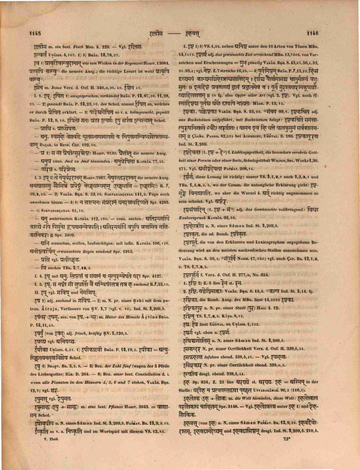
iva 1〉 prāvṛḍivāmbudānām wie von Wolken in der Regenzeit HARIV. 13084. prāvṛṣi cāmbu˚ die neuere Ausg.; die richtige Lesart ist wohl prāvṛṣi vāmbu˚.
Böhtlingk 1879 adverb · Word type unspecified
Original text · German · adverb
iva Adv. Ausnahmsweise am Anfange eines Stollens Chr. 118,12. — 1〉 gleichwie, wie. guṇānāmiva ratnānām sowohl der Tugenden als auch der Juwelen Chr. 123,26. — 2〉 gleichsam, gewissermaassen, so zu sagen. Nach [Page1-208-c] einem Infin. so v. a. als wenn es sich darum handelte zu — Chr. 118,22. — 3〉 beinahe, fast, ungefähr, etwa. — 4〉 ein wenig, etwas. — 5〉 nach einem Interrogativum so v. a. wohl. — 6〉 oft wie eva durch eben, gerade nur, oder bloss durch stärkere Betonung des vorangehenden Wortes wiederzugeben. uṣṇamiva bhasma möglichst heisse Asche AV. PRĀYAŚC. 1,3.
Original text · German · Word type unspecified
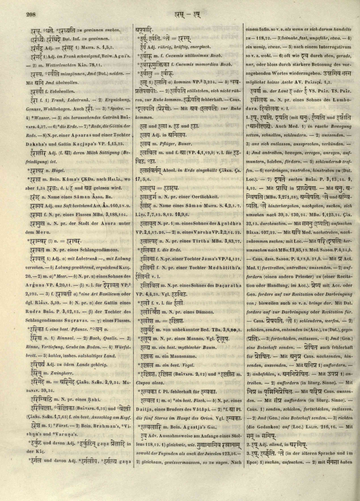
iva am Anfange eines Stollens auch KATHĀS. 1,20. Journ. As. VIII S. T. 7,192. iva nāma zum Schein, quasi JĀTAKAM. 4. JĀTAKAM. 7. JĀTAKAM. 10. JĀTAKAM. 13. [Nachtrag, Band 7]
Apte 1890 particle
Original text · English · particle
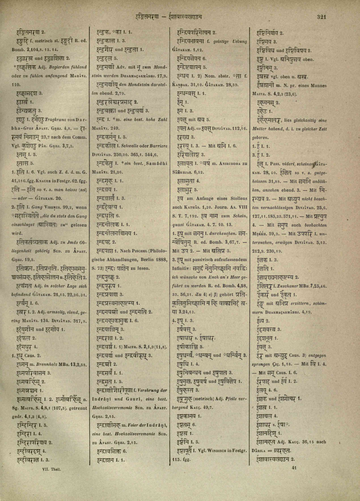
iva ind. 1 Like, as (showing upamā or comparison); vāgarthāviva saṃpṛktau R. 1. 1; vainateya iva vinatānaṃdanaḥ K. 5. 2 As if, as it were (denoting utprekṣā); paśyāmīva pitākinaṃ Ś. 1. 6; liṃpatīva tamoṃgāni varṣatīvāṃjanaṃ nabhaḥ Mk. 1. 34. 3 A little, somewhat, perhaps; kaḍāra ivāyaṃ G. M. 4 (Added to interrogative words), ‘Possibly’, ‘I should like to know’, ‘indeed’; vinā sītādevyā kimiva hi na duḥkhaṃ raghupateḥ U. 6. 30; ka iva of what sort, what-like; ka iva kālaḥ Māl. 2 what a long time has elapsed. 5 iva is frequently used with adverbs, especially with such as involve restriction, by way of emphasis in the sense of even or just so, just, exactly, quite, indeed, very; muhūrtamiva but for a moment; kiṃcidiva just a little bit; so īṣadiva, nācirādiva &c.; (iva is considered by grammarians as forming compounds with the word after which it stands; ivena nityasamāso vibhaktyalopaśca).
Cappeller 1887 Word type unspecified
Original text · German · Word type unspecified
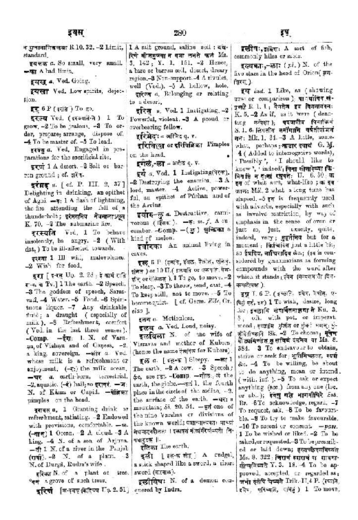
iva (encl.) wie, gleichsam, beinahe, etwas, wohl, eben; oft ur hervorhebend.
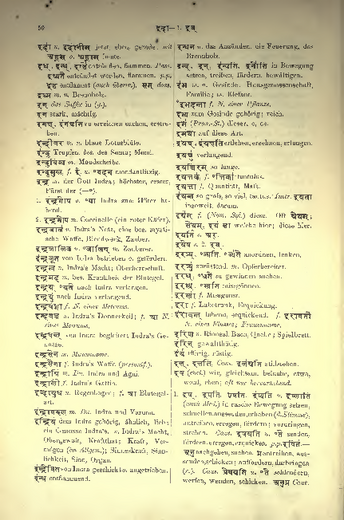
Burnouf 1866 adverb
Original text · French · adverb
iva iva adv. (sfx. va) comme, de même que; se place ordint. après le mot qui sert de terme de comparaison: āditya iva comme le soleil.

Occurrences in source texts (37)
DYS 3 occurrences
GoS 1 occurrence
HP 11 occurrences
HP 1.33-1.43: Siddhāsana 3 occurrences
Direct occurrences
HP 4.5-4.8: Śāmbhavī and Khecarī 2 occurrences
Direct occurrences
HP 4.11*15-4.11*28: Space and Laya 2 occurrences
Direct occurrences
-
HP 4.11*21 Segment 7
-
HP 4.11*21 Segment 16
HTK 1 occurrence
HTK 10.11*2–14*1: Bhastrikā: Breath like a bellows 1 occurrence
Direct occurrences
-
HTK 10.13 Segment 7
IVU 2 occurrences
MAN 1 occurrence
PYS 5 occurrences
SiSa 2 occurrences
SVU 8 occurrences
SVU 1.13-1.16: The Hidden Fire 2 occurrences
Direct occurrences
1 more source page
Continue with AYI Free
Image source: AYI archive.