

iḍā इडा – Iḍā; linker subtiler Kanal
Substantiv Feminin · Worttyp nicht bestimmt
Wörterbuchquellen
AYI Wörterbuch Substantiv Feminin
Iḍā; linker subtiler Kanal
Cappeller 1891 Substantiv Feminin
Originaltext · Englisch · Substantiv Feminin
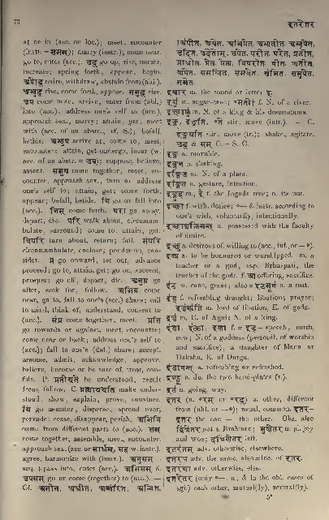
íḍā ·f. = iḍ + speech, earth, cow; N. of a goddess (personif. of worship and sacrifice), a daughter of Manu or Daksha, E. of Durgā.
Monier-Williams 1872 Substantiv Feminin · Worttyp nicht bestimmt
Originaltext · Englisch · Substantiv Feminin
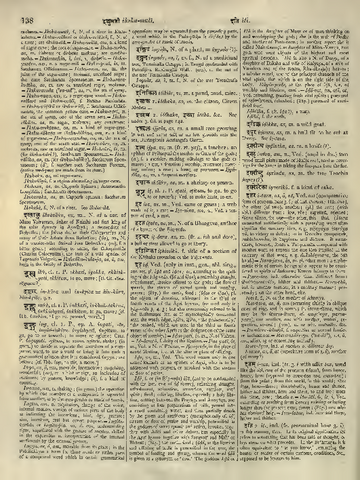
Iḍā, f. or (in Ṛg-veda) iḷā, (not to be confounded with the inst. case of iḍ above), refreshing draught, refreshment, animation, recreation, comfort, vital spirit; food; offering, libation, especially a holy liba- tion, coming between the Prayāga and Anuyāga, and consisting of four preparations of milk, poured into a vessel containing water, and then partially drank by the priest and sacrificers; (metaphorically cf. iḍ) stream or flow of praise and worship, personified as the goddess of sacred speech and action, invoked toge- ther with Aditi and other deities, but especially in the Āprī hymns together with Sarasvatī and Mahī or Bhāratī; (Sāy.) the earth, food; (iḍā, as the libation and offering of milk is personified in the cow, the symbol of feeding and giving, whence the word iḍā is given as a synonym of ‘cow.’ The goddess Iḍā or Ilā is the daughter of Manu or of man thinking on and worshipping the gods; she is the wife of Budha and mother of Purū-ravas; in another aspect she is called Maitrāvaruṇi as daughter of Mitra-Varuṇa, two gods who were objects of the highest and most spiritual devotion. Ilā is also a N. of Durgā, of a daughter of Dakṣa and wife of Kaśyapa, of a wife of Vasudeva and of the Rudra, Rita-dhvaja); heaven; a tubular vessel, one of the principal channels of the vital spirit, that which is on the right side of the body. Iḷāyās-pade, at the place of Iḍā, i. e. of worship and libation, earth.
Originaltext · Englisch · Worttyp nicht bestimmt
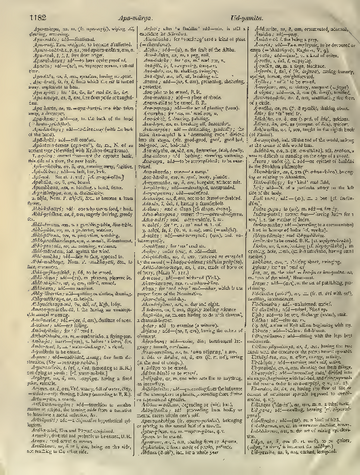
Iḍā; add — N. of a particular artery on the left side of the body.
Petersburger 1855 Substantiv Feminin · Worttyp nicht bestimmt
Originaltext · Deutsch · Substantiv Feminin
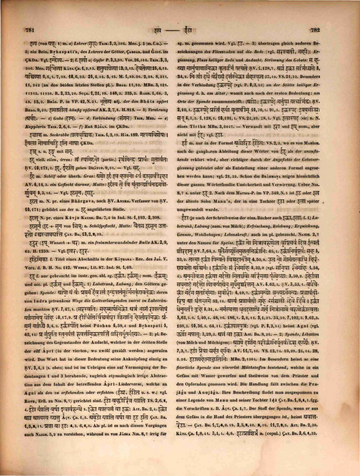
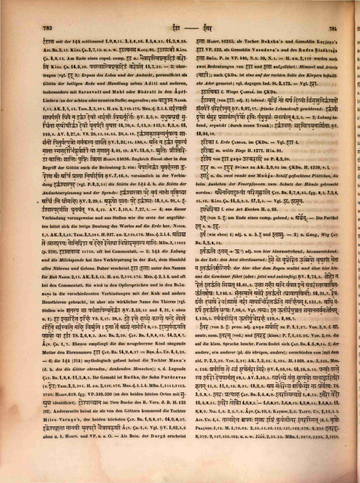
íḍā (je nach der Schreibweise der einz. Bücher auch iḻā, ilā) f. 1〉 Labetrank, Labung (nam. von Milch); Erfrischung, Belebung; Erquickung, Genuss, Wohlbehagen; Lebenskraft; auch im pl. gebraucht. NAIGH. 2,7 unter den Namen für Speise. iḻā̀ṃ no mitrāvaruṇo̱ta vṛ̱ṣṭimavà di̱va ìnvataṃ jīradānū ṚV. 7,64,2. ghṛ̱tairgavyū̀timukṣata̱miḻā̀bhiḥ ṚV. 7,65,4. iḻā̀bhirvṛ̱ṣṭayàḥ sa̱ha ṚV. 5,53,2. tasmā̱ iḻā̀ pinvate viśva̱dānī̀m ṚV. 4,50,8. u̱ta no̱ gomàtaskṛdhi̱ hiràṇyavato a̱śvinàḥ . iḻā̀bhi̱ḥ saṃ ràbhemahi ṚV. 8,32,9. (vgl. sami̱pā ràbhemahi ṚV. 1,54,4.). a̱na̱mī̱vāsa̱ iḻàyā̱ madànto mi̱tajñàvo̱ varìma̱nnā pṛ̀thi̱vyāḥ ṚV. 3,59,2. i̱heḍàyā sadha̱mādaṃ madànto̱ jyokpàśyema̱ sūryàmu̱ccaràntam AV. 6,62,3. ṚV. 3,53,1. va̱rdhayeḻā̱ṃ madèma śa̱tahìmāḥ su̱vīrā̀ḥ ṚV. 6,10,7. iḻā̀ma̱nyo ja̱naya̱dgarbhàma̱nyaḥ pra̱jāvàtī̱riṣa̱ ā dhàttama̱sme ṚV. 6,52,16. asyà pra̱jāvàtī gṛ̱he 'sàścantī di̱ve dìve . iḻā̀ dhenu̱matī̀ duhe ṚV. 8,31,4. namàsvantā dhṛtada̱kṣādhi̱ garte̱ mitrā̀sāthe varu̱ṇeḻā̀sva̱ntaḥ ṚV. 5,62,5. ṚV. 5,62,6. ṚV. 1,40,4. ṚV. 1,48,16. ṚV. 1,186,1. ṚV. 2,1,11. ṚV. 3,1,23. ṚV. 3,54,20. ṚV. 7,102,3. ṚV. 9,62,3. ṚV. 9,108,3. ṚV. 10,36,5. ṚV. 10,64,11. iḻā̀yāspu̱traḥ (vgl. P. 8,3,54) heisst Agni (vgl. ūrjo napāt) P. 3,29,3. annaṃ vā iḻā AIT. BR. 8,26. — 2〉 Spende, Libation (von Milch und Milchigem): a̱gnaye̱ dāśèma̱ parīḻā̀bhirghṛ̱tavàdbhiśca̱ havyaìḥ ṚV. 7,3,7. iḍā̀ prai̱ṣā grahā̀ ha̱viḥ AV. 11,7,18. VS. 12,74. VS. 19,29. VS. 21,14. VS. 28,3. VS. 28,26. iḍājyahomāhutibhiḥ MBH. 2,1304. Im Besondern heisst so eine feierliche Spende aus viererlei Milchstoffen bestehend, welche in ein Gefäss mit Wasser geworfen und theilweise von dem Priester und den Opfernden genossen wird. Die Handlung fallt zwischen die Prayāja und Anuyāja. Ihre Beschreibung findet man ausgesponnen zu einer Legende von Manu und seiner Tochter Iḍā ŚAT. BR. 1,8,1,1. fgg. die Vorschriften z. B. ĀŚV. ŚR. 1,7. Der Stoff der Spende, wenn er aus dem Gefäss in die Hand des Priesters übergegangen ist, heisst avāntareḍā. — ŚAT. BR. 1,7,4,9. ŚAT. BR. 1,7,4,19. ŚAT. BR. 2,5,2,40. ŚAT. BR. 2,5,3,10. ŚAT. BR. 11,7,2,5. AIT. BR. 2,30. KĀTY. ŚR. 1,8,41. KĀTY. ŚR. 3,1,4. KĀTY. ŚR. 3,4,6. iḍāprāśitrá n. (copul.) ŚAT. BR. 2,6,1,33. īḍānta mit der Iḍā schliessend ŚAT. BR. 1,9,2,14. ŚAT. BR. 3,4,1,26. ŚAT. BR. 9,5,1,21. ŚAT. BR. 11,2,7,25. AIT. BR. 3,45. KĀTY. ŚR. 3,7,13. u. s. w. iḍācamasa KAUŚ. 81. iḍāpātrī KĀTY. ŚR. 6,8,13. Am Ende eines copul. comp. iḍa n.: naivārasviṣṭakṛdiḍaṃ karoti KĀTY. ŚR. 14,5,26. payasyāsviṣṭakṛdiḍaṃ karoti KĀTY. ŚR. 15,7,22. — 3〉 übertragen (vgl. iḍ 3): Erguss des Lobes und der Andacht, personificirt als Göttin der heiligen Rede und Handlung neben Aditi und anderen, insbesondere mit Sarasvatī und Mahī oder Bhāratī in den Āprī- Liedern (an der achten oder neunten Stelle) angerufen; ein vāṅnāma NAIGH. 1,11. AK. 3,4,45. TRIK. 3,3,381. H. an. 2,110. H. an. 2,476. MED. d. 2. MED. d. 1. MED. d. 4. saràsvatī sā̱dhayàntī̱ dhiyàṃ na̱ iḻā̀ de̱vī bhāràtī vi̱śvatū̀rtiḥ ṚV. 2,3,8. ma̱nu̱ṣvadya̱jñaṃ sudhìtā ha̱vīṃṣīḻā̀ de̱vī dhṛ̱tapàdī juṣanta ṚV. 10,70,8. ṚV. 1,13,9. ṚV. 1,142,9. ṚV. 9,5,8. ṚV. 10,110,8. AV. 5,27,9. VS. 20,43. VS. 20,58. VS. 20,63. VS. 28,8. VS. 28,18. iḻā̀makṛṇva̱nmanùṣasya̱ śāsànīṃ pi̱turyatpu̱tro mamàkasya̱ jāyàte ṚV. 1,31,11. ṚV. 1,188,8. a̱bhi na̱ iḻā̀ yū̱thasyà mā̱tā smanna̱dībhìru̱rvaśī̀ vā gṛṇātu ṚV. 5,41,19. AV. 15,6,7. śrutiḥ prītiriḍā kāntiḥ śāntiḥ puṣṭiḥ kriyā HARIV. 14036. Zugleich fliesst aber in den Begriff der Göttin auch die Bedeutung 2. ein: yeṣā̱miḻā̀ ghṛ̱tahàstā duro̱ṇā ām̐ apì prā̱tā ni̱ṣīdàti ṚV. 7,16,8. vornämlich in der Verbindung iḻā̀yāspa̱da (vgl. P. 8,3,54) die Stätte der iḍā d. h. die Stätte der Andachtsergiessung und der Spende: iḻā̀yāstvā pa̱de va̱yaṃ nābhā̀ pṛthi̱vyā adhì (ni dhīmahi) ṚV. 3,29,4. a̱ru̱ṣo jā̱taḥ pa̱de iḻā̀yāḥ ṚV. 40,1,6. ṚV. 40,91,4. iḍā̀yāspa̱damàsi ghṛ̱tavàt VS. 4,22. AV. 3,10,6. AV. 7,27,1. — 4〉 aus dieser Verbindung vorzugsweise und aus Stellen wie die erste der angeführten leitet sich die irrige Deutung des Wortes auf die Erde her. NAIGH. 1,1. AK. 3,4,45. TRIK. 3,3,381. H. 937. H. an. 2,110. H. an. 2,476. MED. ḍ. 2. MED. ḍ. 1. MED. ḍ. 4. agniśca te (sāgarasya) yoniriḍā ca deho retodhā viṣṇoramṛtasya nābhiḥ MBH. 3,11022 (p. 570). iḍātalastha MBH. 3,14750. oft bei Commentatt. — 5〉 Iḍā die Labung und die Milchspende hat ihre Verkörperung in der Kuh, dem Sinnbild alles Nährens und Gebens. Daher erscheint iḍā (ilā) unter den Namen für Kuh NAIGH. 2,11. AK. 3,4,45. H. an. 2,110. H. an. 2,476. MED. ḍ. 2. MED. ḍ. 1. MED. ḍ. 4. und oft bei den Commentatt. Sie wird in den Opfersprüchen und in den BRĀHMAṆA in die verschiedensten Verbindungen mit der Kuh und andern Hausthieren gebracht, ist aber nie wirklicher Name des Thieres (vgl. Stellen wie ṛ̱tasya̱ sā payàsāpinva̱teḻā̀ ṚV. 3,55,13 und ṚV. 8,31,4. oben u. 1). iḍa̱ ehyadìta̱ ehì VS. 3,27. VS. 38,3. iḍe̱ rante̱ havye̱ kāmye̱ candre̱ jyote 'dìte̱ saràsvati̱ mahi̱ viśrùti . e̱tā tè aghnye̱ nāmā̀ni VS. 8,43. iḍā̱mupàhvayati pa̱śavo̱ vā iḍā̀ TS. 2,6,7,3. AIT. BR. 2,30. ŚAT. BR. 1,8,1,12. ŚAT. BR. 14,2,1,7. ĀŚV. ŚR. 1,7. Ebenso empfängt die das neugeborene Kind säugende Mutter den Ehrennamen iḍā ŚAT. BR. 14,9,4,27 = BṚH. ĀR. UP. 6,4,28. — 6〉 die Iḍā (Ilā) mythologisch gefasst heisst die Tochter manuʼs (d. h. des die Götter ehrenden, denkenden Menschen); s. d. Legende ŚAT. BR. 1,8,1. ŚAT. BR. 11,5,3,5. Ihr Gemahl ist Budha, ihr Sohn Purūravas (s. aiḍa) TRIK. 3,3,381. H. an. 2,110. H. an. 2,476. MED. ḍ. 1. MED. ḍ. l. 4. MBH. 1,3141. MBH. 1,3143. MBH. 1,3760. HARIV. 619. fgg. VP. 349. VP. 350 (an den beiden letzten Orten mit sudyumna identificirt). iḍopākhyāna im 7ten Buche des R. Verz. d. B. H. 123 (82). Andererseits heisst sie als von den Göttern kommend die Tochter Mitra — Varuṇaʼs, der beiden höchsten ŚAT. BR. 1,8,1,27. ŚAT. BR. 14,9,4,27. iḻopahūtā mānavī ghṛtapadī maitrāvaruṇī ĀŚV. ŚR. 1,8. Vgl. ṚV. 5,62,5. ṚV. 5,62,6 oben u. 1. HARIV. und VP. a. a. O. — Als Bein. der Durgā erscheint ilā HARIV. 10245. als Tocher Dakṣaʼs und Gemahlin Kaśyapaʼs iḍā VP. 122. als Gemahlin Vasudevaʼs und des Rudra Ṛtadhvaja ilā BHĀG. P._in_VP. 440, N. 2. VP. 59, N. 4. — H. an. 2,110 werden noch zwei Bedeutungen von iḍā und ilā aufgeführt: Himmel und Arterie (nāḍī); nach ŚKDR. ist eine auf der rechten Seite des Körpers befindliche Ader gemeint; vgl. dagegen Ind. St. 2,172. — Vgl. irā.
Originaltext · Deutsch · Worttyp nicht bestimmt
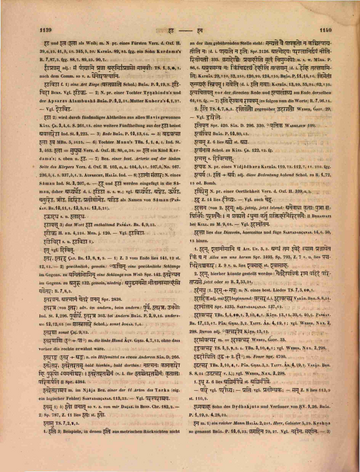
iḍā 2〉 wird durch fünfmaliges Abtheilen aus allen Havis gewonnen KĀTY. ŚR. 3,4,6. KĀTY. ŚR. S. 3,261,18. eine weitere Fünftheilung aus der iḍā heisst avāntareḍā Ind. St. 9,225. — 3〉 Rede BHĀG. P. 10,13,64. — 5〉 baddhavatsā ilā iva MBH. 5,4625. — 6〉 Tochter Manuʼs TBR. 1,1,4,4. Ind. St. 3,463. ilā = sudyumna Verz. d. Oxf. H. 80,a,38. = ila ein Kind Kardamaʼs; s. oben u. iḍa. — 7〉 Bez. einer best. Arterie auf der linken Seite des Körpers Verz. d. Oxf. H. 103,a,4. Verz. d. Oxf. H. 104,b,41. Verz. d. Oxf. H. 107,b, No. 167. Verz. d. Oxf. H. 236,b,4. Verz. d. Oxf. H. 236,b,5. Verz. d. Oxf. H. 337,b,1. Verz. d. Oxf. H. 337,b,3. AUFRECHT, HALĀY. Ind. — 8〉 iḍānāṃ saṃkṣāraḥ N. eines Sāman Ind. St. 3,207,a. — iḍ und iḍā werden eingefügt in die Sāman, daher adhyardheḍa d. i. iḍiḍā u. s. w.; vgl. adhyardheḍa, aṣṭeḍa, ūrdhveḍa, caturiḍa, trīḍa, dviriḍa, pratīcīneḍa, ṣaḍiḍa als Namen von Sāman (PAÑCAV. BR. 10,11,1. PAÑCAV. BR. 12,5,24. PAÑCAV. BR. 13,5,21).
Böhtlingk 1879 Worttyp nicht bestimmt
Originaltext · Deutsch · Worttyp nicht bestimmt
íḍā, iḻā́, ilā — 1〉 Labetrank, Labung. — 2〉 Spende, Libation; insbes. eine feierliche Spende aus viererlei Milchstoffen, oder die durch fünfmaliges Schöpfen aus allen Havis gewonnen wird. iḍānāṃ saṃkṣāraḥ Name eines Sāman. — 3〉 Erguss des Lobes und der Andacht, personif. als Göttin der heiligen Rede und Handlung. — 4〉 Rede überh. — 5〉 die Erde MBH. 3,114,28 (= yajñā Comm.). Chr. 236,10. — 6〉 Kuh. — 7〉 eine best. Arterie auf der linken Seite des Körpers. — 8〉 *der Himmel. — 9〉 Bein. der Durgā. — 10〉 N. pr. — a〉 einer Tochter Manuʼs oder auch Mitra-Varuṇaʼs. — b〉 einer Tochter Dakṣaʼs und Gattin Kaśyapaʼs. irā v. l. — c〉 einer Gattin Vasudevaʼs BHĀG. P. 9,24,44. — d〉 iḍa, ila 2〉 als Weib.
Apte 1890 Substantiv Feminin
Originaltext · Englisch · Substantiv Feminin
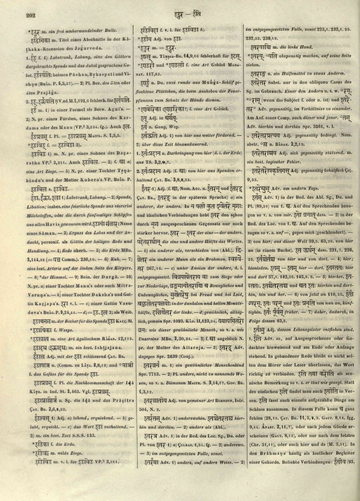
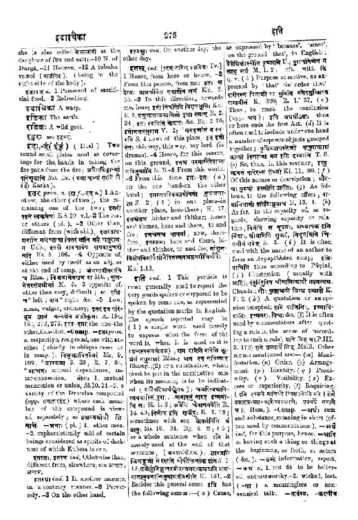
iḍā -lā [il-ac, vā lasya ḍatvaṃ] 1 The earth; prabudhyate nūnamiḍātalasthaḥ Mb. 2 Speech. 3 An offering, libation. (coming between prayāga and anuyāga). 4 Refreshing draught. 5 (Hence) Food. 6 (Fig.) Steam or flow of praise or worship personified as the goddess of sacred speech. 7 Libation and offering of milk. 8 A cow. 9 N. of a goddess, daughter of Manu. (She is the wife of Budha and mother of Purūravas; ([Page 0275-a]) she is also called maitrāvaruṇī as the daughter of mitra and varuṇa). 10 N. of Durgā. 11 Heaven. 12 A tubular vessel (nāḍībheda), (being in the right side of the body).
Cappeller 1887 Worttyp nicht bestimmt
Originaltext · Deutsch · Worttyp nicht bestimmt
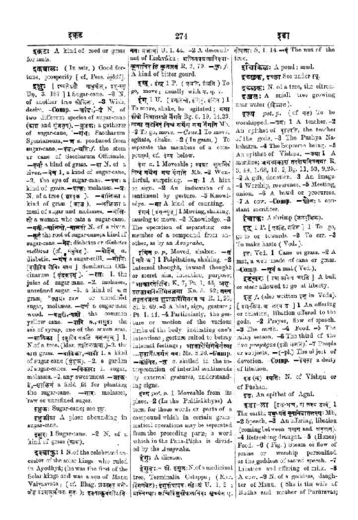
íḍā, íḻā u. ilā f. dass., Göttin der Andacht, die Erde.
Burnouf 1866 Substantiv Feminin
Originaltext · Französisch · Substantiv Feminin
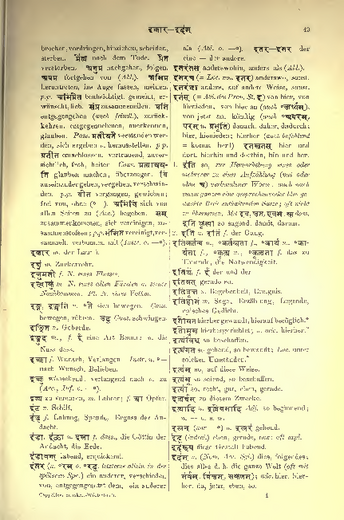
iḍā iḍā f. Cf. iṭā; ḷ=ḍ dans le Vd. iḍācikā f. guêpe. iḍikā f. terre.

Quelltextfundstellen (30)
DYS 3 Fundstellen
GoS 4 Fundstellen
HP 8 Fundstellen
1 weitere Quelltextseite
HTK 2 Fundstellen
SiSa 13 Fundstellen
SiSa 2.13-2.20: Suṣumṇā und Citrā 2 Fundstellen
Direkt belegt
SiSa 5.132-5.143: Innere Vārāṇasī 3 Fundstellen
Direkt belegt
-
SiSa 5.132 Segment 1
-
SiSa 5.136 Segment 9
-
SiSa 5.138 Segment 13
Mit AYI Free weitermachen
Bildquelle: AYI Archiv.