


prāṇān prapīḍye,ha sa yukta-ceṣṭaḥ; kṣīṇe prāṇe, nāsikayocchvasīta | Analysis ▾ Analysis ▴
|
prāṇān
|
the vital breaths | |
|
prapīḍya
|
having pressed down, restrained | |
|
iha
|
here | |
|
saḥ
|
he, this one | |
|
yukta
|
controlled, regulated | |
|
ceṣṭaḥ
|
with controlled movements, exertions | |
|
kṣīṇe
|
when diminished, exhausted | |
|
prāṇe
|
when the breath has diminished | |
|
nāsikayā
|
through the nose | |
|
ucchvasīta
|
one should breathe out |
duṣṭāśva-yuktam, iva vāham enaṃ; vidvān mano, dhārayetāpramattaḥ ||9|| Analysis ▾ Analysis ▴
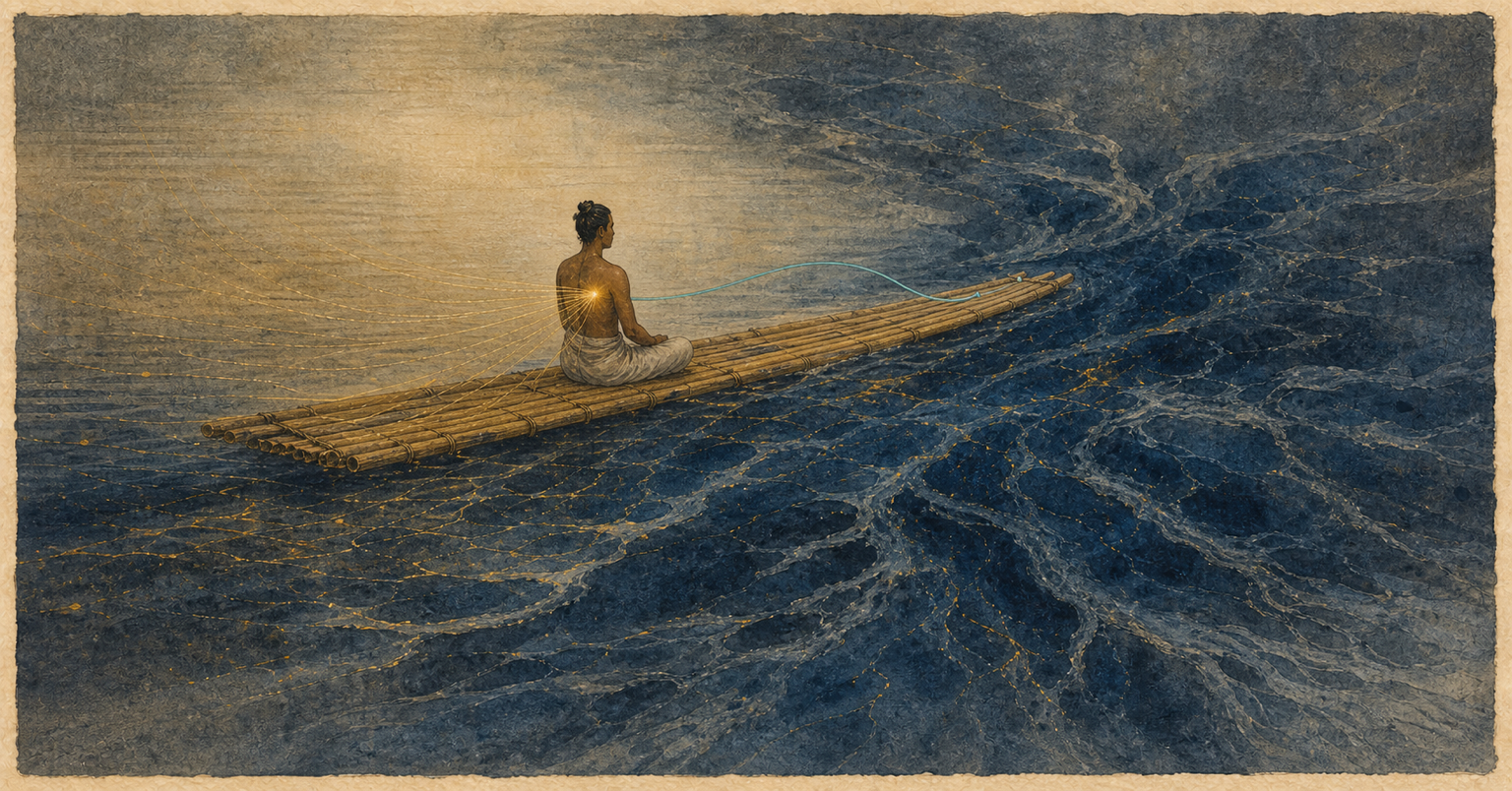
The Bhāṣya attributed to Śaṅkara presupposes purified nāḍīs. The vital forces are restrained within one's own body, and the weakened breath is slowly released through the nose. As a charioteer guides horses that are difficult to control, the vigilant sage is to hold fast the mind by regulating the breath.
Śaṅkarānanda links restraint of the breath with moderation in eating, activity and practice. Once the breath has gradually become fine, it is gently released; at the same time the sage holds the mind as the rein of the refractory horses of the senses. Even subdued senses, like former enemies, must never be treated without vigilance.
Nārāyaṇa explains 'with measured activity' by the ideal of moderation in eating, sleeping and acting. The breath made fine in prāṇāyāma is slowly exhaled; the mind must then be fixed. The sequence rests on the mind's dependence on the breath: stability of the breath alone makes mental stability possible.
Vijñānabhagavat describes kumbhaka at the familiar places of the breath, followed by slow exhalation through Iḍā or Piṅgalā. Wherever the breath is held, the practitioner is also to hold the mind fast, for according to the rule of yoga the mind follows the breath. Circumspection takes the place of any violent excess.
<1: Described at Katha 3. 4.>
<1: Cf. Bhagavadgītā V, 27. Prānāpānau samau kritvā nāsābhyantara kārinau. See Telang’s notes, Sacred Books of the East, vol. viii, p. 68 seq.>
<2: A similar metaphor in Kath. Up. III, 4–6; Sacred Books of the East, vol. xv, p. 13.>
<1: Vid. Kāth. 3, 4 to 9.>
Continue with AYI Free
Illustrations: AI-generated.


Please log in to write a message. Go to login
No messages yet.