

tad तद् – that; he; she; it
adverb · particle · pronoun · pronoun dem · pronoun pers 3p · substantive neuter · Word type unspecified
Dictionary sources
AYI dictionary pronoun · pronoun dem · pronoun pers 3p
pronoun
that; he; she; it
pronoun dem
that; this; he; she; it
pronoun pers 3p
he; she; it
Cappeller 1891 Word type unspecified
Original text · English · Word type unspecified
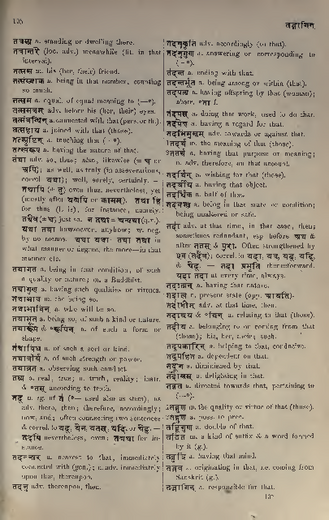
tad ·n. sg. of tá (°-- used also as stem), as adv. there, then; therefore, accordingly; now, and; often connecting two sentences & correl. to yad, yena, yatas, yadi, or ced. -- tadapi nevertheless, even; tadyathā for instance.
Monier-Williams 1872 particle · substantive neuter · Word type unspecified
Original text · English · particle
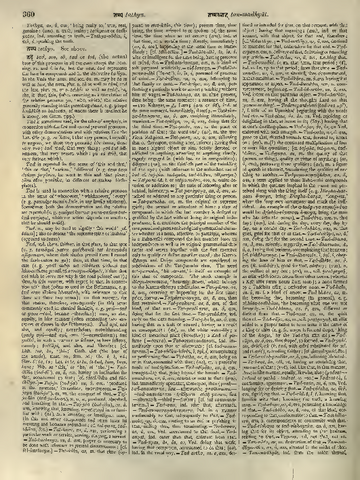
Tad, ind. there, thither, in that place, to that spot (e. g. tamāṃsi yatra gacchanti tat kravyādo ajīgamam, where dark shades prevail there I caused the flesh-eaters to go); then, at that time, in that case (e. g. yadi māṃ na vihātum icchasi tat kim-artham panthāḥ samupa-diśyate, if thou dost not wish to leave me why is the road pointed out?); thus, in this manner, with regard to that, in connec- tion with that (often so used in the Brāhmaṇas, e. g. tad etau ślokau bhavataḥ, with reference to that there are these two verses); on that account, for that reason, therefore, consequently (in this sense commonly used in classical Sanskrit, e. g. yad — tad or yena — tad, because — therefore); now, so also, equally, in like manner (often connecting two sen- tences or clauses in the Brāhmaṇas). Tad api, and also, and equally; nevertheless, notwithstanding (yady api — tad api, even if — nevertheless); tad yathā, in such a manner as follows, as here follows, namely; taccāpi, and also, and likewise; [cf. Lith. tas, ta, ‘this;’ Goth. tha (the base of the article), masc. sa, fem. sô; Gr. ὁ, ἡ, τό; Slav. t', ta, to; Lat. is-te, is-ta, is-tud, tam, tum, tunc; Hib. so ‘this,’ se ‘he,’ si ‘she.’]
Original text · English · substantive neuter
Tad, n., may be used to signify ‘this world’ [cf. idam]; also to denote ‘the supreme spirit or Brahma’ (opposed to tvam).
Original text · English · Word type unspecified
tad tad, sas, sā, tad or tat, (the actual base of this pronoun in all the cases except the nom. sing. m. and f. is ta, but the neut. tad represents the base in compounds and in the derivative tadīya. In the Veda the nom. and acc. du. m. may be tā as well as tau, the nom. plur. n. tā as well as tāni, and the inst. plur. m. or n. tebhis as well as tais), he, she, it, that, this, (often occurring as a correlative of the relative pronoun ya, ‘who, which,’ the relative generally standing in the preceding clause, e. g. yasya buddhiḥ sa balavān, of whom there is intellect he is strong, see Gram. 799.)
Original text · English · Word type unspecified
Tad is sometimes used, for the sake of emphasis, in connection with the first and second personal pronouns, with other demonstratives and with relatives like the Lat. ille (e. g. so'ham, I that very person, I myself; te vayam, we those very persons; tāv imau, those very two; tad etad, that very thing; yat tat kā- raṇam, that very reason which; yā sā śrīḥ, that very fortune which).
Original text · English · Word type unspecified
Tad is repeated in the sense of ‘this and that,’ ‘this or that,’ ‘various,’ ‘different’ (e. g. taṃ taṃ deśaṃ jagāma, he went to this and that place; tāsu tāsu yoniṣu, in different or various birth- places).
Original text · English · Word type unspecified
Tad is used in connection with a relative pronoun in the sense of ‘whosoever,’ ‘whichsoever,’ ‘every’ (e. g. yasmiṃs tasmin kule, in any family whatever). Sometimes both the demonstrative and the relative are repeated (e. g. yadyat karma para-vaśaṃ tat- tad varjayet, whatever action depends on another, that he should avoid).
Petersburger 1855 adverb
Original text · German · adverb
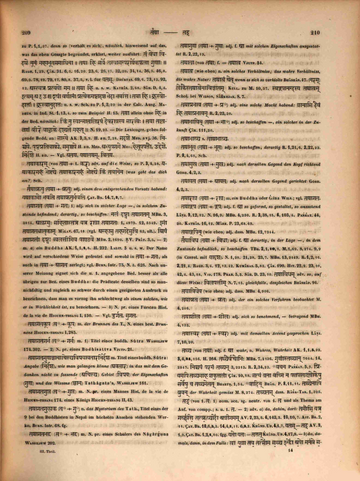
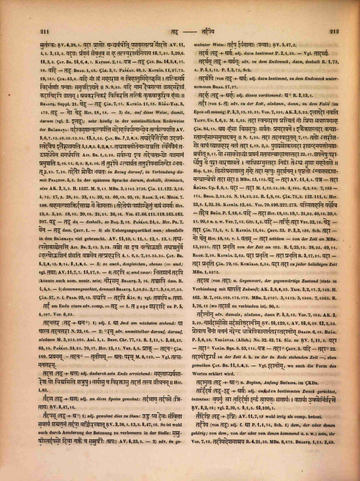
√tad (von 1. ta) 1〉 nom. acc. sg. neutr. von 1. ta und als Thema am Anf. von compp.; s. u. 1. ta. — 2〉 adv. a〉 da, dahin, dort: tamā̀ṃsi̱ yatra̱ gacchànti̱ tatkra̱vyādò ajīgamam AV. 2,25,5. AV. 6,142,2. AV. 10,10,7. AIT. BR. 2,11. ŚAT. BR. 10,6,5,3. ŚAT. BR. 14,4,1,11. ŚAT. BR. 14,6,3,2. CHĀND. UP. 4,1,7. yatas — tad AV. 9,1,2. ŚAT. BR. 1,2,1,10. fgg. yato yataḥ — tattat CHĀND. UP. 4,17,9. — b〉 da, damals, dann, in dem Falle: tvā yu̱jā tava̱ tatsòma sa̱khya indrò a̱po manàve sa̱srutàskaḥ ṚV. 4,28,1. ya̱dā prā̱ṇo a̱bhyavàrṣīt pa̱śava̱statpra mòdante AV. 11,4,5. AV. 3,13,2. yada̱jaḥ pràtha̱maṃ sàṃba̱bhūva̱ sa ha̱ tatsva̱jājyàmiyāya AV. 10,7,31. AV. 5,29,6. AV. 18,3,3. ŚAT. BR. 10,6,4,1. KAṬHOP. 2,14. yatra — tad ŚAT. BR. 14,5,1,17. ŚAT. BR. 14,5,1,19. yadi — tad BHAG. 1,46. ŚĀK. 3,7. PAÑCAT. 48,3. KATHĀS. 11,27. KATHĀS. 11,72. KATHĀS. 18,161. ŚUK. 43,8. yadi māṃ tvaṃ mahārāja na vihātumihecchasi . tatkimarthaṃ vidarbhāṇāṃ panthāḥ samupadiśyate .. N. 9,32. yadi nāma daivagatyā jagadasarojaṃ kadācidapi jātam . avakaranikaraṃ vikirati tatkiṃ kṛkavākuriva haṃsaḥ .. BHARTṚ. Suppl. 21. ced — tad ŚĀK. 7,11. KATHĀS. 11,18. RĀJA-TAR. 5,479. tad — no ced HIT. 18,18. — 3〉 da, auf diese Weise, damit, darum (vgl. 2. etad); sehr häufig in der umständlichen Redeweise der BRĀHMAṆA: yadā̀vasa̱thānka̱lpayànti sadohavirdhā̱nānye̱va tatkàlpayanti AV. 9,6,7. AV. 9,6,13. AV. 9,6,49. AV. 9,6,50. AV. 9,6,53. AV. 9,6,54. AV. 13,1,52. ŚAT. BR. 7,2,1,8. tadyadevaitairdevā udajayaṃstadevaiṣa etairujjayati ŚAT. BR. 5,1,2,2. ŚAT. BR. 6,2,3,7. tadyannavanītenābhyañjanti svenaivainaṃ tadbhāgadheyena samardhayanti AIT. BR. 1,3. AIT. BR. 1,28. sarvābhya eva taddevatābhyo yajamānaṃ pramuñcati AIT. BR. 2,10. AIT. BR. 2,11. AIT. BR. 6,2. AIT. BR. 8,8. AIT. BR. 8,16. taṃ turīye 'tyārjata tatturīyabhāgindro 'bhavat AIT. BR. 2,25. AIT. BR. 7,28. tadetau ślokau bhavataḥ in Bezug darauf, in Verbindung damit PRAŚNOP. 5,5. In der späteren Sprache darum, deshalb, demnach, also AK. 3,5,3. H. 1537. M. 9,41. MBH. 3,2142. MBH. 3,2736. ŚĀK. 11. ŚĀK. 122. ŚĀK. 3,13. ŚĀK. 4,12. ŚĀK. 17,3. ŚĀK. 28,14. ŚĀK. 33,11. ŚĀK. 59,13. ŚĀK. 66,18. ŚĀK. 95,19. RAGH. 3,46. MEGH. 7. MEGH. 108. ahamalpaśaktirdantāśca me komalāḥ . tadeteṣāṃ pāśāṃśchettuṃ kathaṃ samarthaḥ HIT. 15,9. HIT. 5,20. HIT. 18,15. HIT. 20,19. HIT. 21,21. HIT. 26,16. VID. 47. VID. 66. VID. 111. VID. 118. VID. 165. VID. 183. VID. 207. yad — tad da — deshalb, so DAŚ. 2,18. PAÑCAT. 24,5. HIT. PR. 7. yena — tad dass. ŚRUT. 1. — 4〉 als Uebergangspartikel nun; ebenfalls in den BRĀHMAṆA viel gebraucht. AV. 15,10,1. AV. 15,11,1. AV. 15,12,1. AV. 15,13,1. tadyatstokāścetanti AIT. BR. 2,12. AIT. BR. 3,22. vajro vā eṣa yatṣoḻaśī tadyaccaturthe 'hanṣoḻaśinaṃ śaṃsati vajrameva tatpraharati AIT. BR. 4,1. AIT. BR. 6,2. AIT. BR. 7,31. AIT. BR. 7,33. AIT. BR. 7,34. ŚAT. BR. 6,2,1,13. ŚAT. BR. 6,2,2,14. ŚAT. BR. 8,1,3,6. — 5〉 so auch, desgleichen, ebenso (= und; vgl. tathā) AV. 11,7,7. AV. 15,17,9. — 6〉 tadapi a〉 und zwar: bhikṣāśanaṃ tadapi (könnte auch nom. neutr. sein) nīrasam BHARTṚ. 3,16. taccāpi dass. R. 1,4,8. — b〉 dessenungeachtet, dennoch BHARTṚ. 1,28. BHARTṚ. 1,94. BHARTṚ. 2,77. BHARTṚ. 3,10. BHARTṚ. 3,17. BHARTṚ. 3,28. ŚĀK. 57, v. l. PRAB. 92,13. yadyapi — tadapi CĀT. 8; vgl. tathāpi u. tathā.
Böhtlingk 1879 adverb
Original text · German · adverb
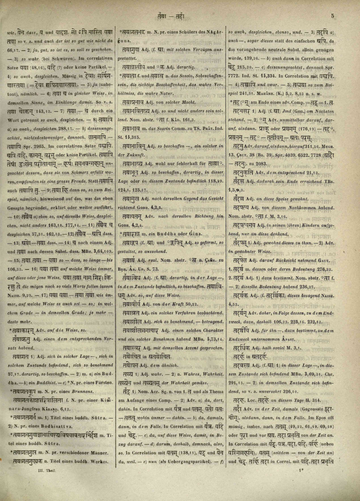
tád — 1〉 Nom. Acc. Sg. n. von 1. ta und als Thema am Anfange eines Comp. — 2〉 Adv. — a〉 da, dort, dahin. In Correlation mit yátra yadi und yatas, yato yataḥ — tattat wohin immer — dahin. — b〉 da, damals, dann, in dem Falle. In Correlation mit yátra, yadi und ced. — c〉 da, auf diese Weise, damit, in Bezug darauf. — d〉 darum, deshalb, demnach, also, so. In Correlation mit yatas (Chr. 138,11), yad und yena da, weil. — e〉 nun (als Uebergangspartikel). — f〉 [Page3-005-c] so auch, desgleichen, ebenso, und. — 3〉 tadapi — a〉 auch —, sogar dieses statt des einfachen api, da das vorangehende neutrale Subst. allein genügen würde Chr. 139,26. — b〉 auch dann in Correlation mit ced Chr. 215,30. — c〉 dessenungeachtet, dennoch Spr. 7772. Ind. St. 15,334. In Correlation mit yadyapi. — 4〉 taccāpi und zwar. — 5〉 tadyathā so zum Beispiel Chr. 241,31. MAHĀBH. (K.) 5,2. 8,23 u. s. w.
Apte 1890 particle · pronoun · substantive neuter
Original text · English · particle · pronoun · substantive neuter
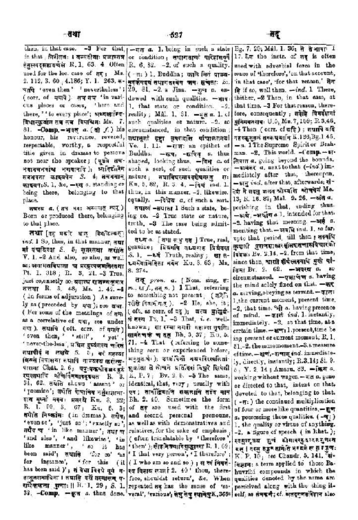
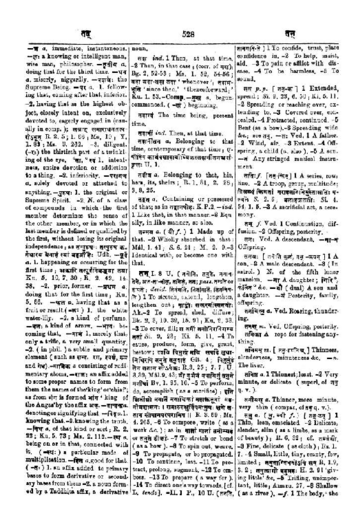
tad pron. a. (Nom. sing. saḥ m., sā f., tat n.) 1 That, referring to something not present; (taditi parokṣe vijānīyāt). 2 He, she, it; (oft. as corr. of yad); yasya buddhirbalaṃ tasya Pt. 1. 3 That, i. e. wellknown; sā ramyā nagarī mahānsa nṛpatiḥ sāmaṃtacakraṃ ca tat Bh. 3. 37; Ku. 5. 71. 4 That (referring to something seen or experienced before, anubhūtārthaḥ); utkāṃpinī bhayapariskhalitāṃśukāṃtā te locane pratidiśaṃ vidhure kṣipaṃtī K. P. 7; Bv. 2. 5. 5 The same, identical, that, very; usually with eva; tānīṃdriyāṇi sakalāni tadeva nāma Bh. 2. 40. Sometimes the form of tad are used with the first and second personal pronouns, as well as with demonstratives and relatives, for the sake of emphasis; (often translatable by ‘therefore’, ‘then’); sohamijyāviśuddhātmā R. 1. 69; ‘I that very person’, ‘I therefore’; (I who am so and so); sa tvaṃ nivartasva vihāya lajjāṃ R. 2. 40 ‘thou, therefore, shouldst return’, &c. When repeated tad has the sense of ‘several’, ‘various’; teṣu teṣu sthāneṣu K. 369; ([Page 0527-c]) Bg. 7. 20; Māl. 1. 36; te te bhāvāḥ Māl. 1. 17. tena the instr. of tad is often used with adverbial force in the sense of ‘therefore’, ‘on that account, in that case’, ‘for that reason.’ tena hi if so, well then. — ind. 1 There, thither. 2 Then, in that case, at that time. 3 For that reason, therefore, consequently; tadehi vimardakṣamāṃ bhūmimavatarāvaḥ U. 5; Me. 7, Me. 109: R. 3. 46. 4 Then (corr. of yadi); tathāpi yadi mahatkutūhalaṃ tatkathayāmi K. 136; Bg. 1. 46. — n. 1 The Supreme Spirit or Brahman. 2 This world. Comp. — atipāta a. going beyond the bounds. — anaṃtara a. next to that. ( — ind.) immediately after that, thereupon. — anu ind. after that, afterwards; saṃdeśaṃ me tadanu jalada śroṣyasi śrotrapeyaṃ Me. 13; R. 16. 87; Māl. 9. 26. — aṃta a. perishing in that, ending thus. — artha, -arthīya a. 1 intended for that. 2 having that meaning. — arha a. meriting that. — avadhi ind. 1 so far, upto that period, till then; tadavadhi kuśalī purāṇaśāstraramṛtiśatacāruvicārajo vivekaḥ Bv. 2. 14. 2 from that time, since then, śvāso dīrghastadavadhi mukhe pāṃḍimā Bv. 2. 62. — avastha a. so circumstanced. — ekācitta a. having the mind solely fixed on that. — kara a. serving, obeying as servant. — kālaḥ 1 the current moment, present time. 2 that time. ˚dhī a. having presence of mind. — kālaṃ ind. 1 instantly, immediately. 2 at that time, at a certain time. — kṣaṇaḥ 1 present, time be ing present or current moment; R. 1. 51. 2 the same moment. 3 a measure of time. — kṣaṇaṃ, -kṣaṇāt ind. immediately, directly, instantly; R. 3. 14; Śi. 9. 5; Y. 2. 14; Amaru. 83. — kriya a. working without wages. — gata a. gone or directed to that, intent on that, devoted to that, belonging to that. — (taḥ) the continued multiplication of four or more like quantities. — guṇa a. possessing those qualities. — (ṇaḥ) 1 the quality or virtue of anything. 2 a figure of speech (in Rhet.); svamutsṛjya guṇaṃ yogādatyujjvalaguṇasya yat . vastu tadguṇatāmoti bhaṇyate sa tu tadguṇaḥ K. P. 10; see Chandr. 5. 141. ˚saṃvijñānaḥ a term applied to those Bahuvrīhi compounds in which the qualities denoted by the name are perceived along with the thing itself; as laṃbakarṇa; cf. atadguṇasaṃvijñāna also ([Page 0528-a]) — ja a. immediate, instantaneous. — jñaḥ a knowing or intelligent man, wise man, philosopher. — tṛtīya a. doing that for the third time. — dhana a. miserly, niggardly. — padārthaḥ the Supreme Being. — para a. 1 following that, coming after that, inferior. 2 having that as the highest object, closely intent on, exclusively devoted to, eagerly engaged in (usually in comp.); samrāṭ samārādhanatatparo'bhūt R. 2. 5; R. 1. 66; Me. 10; Y. 1. 83; Ms. 3. 262. 3 diligent. — (raḥ) the thirtieth part of a twinkling of the eye. ˚tā, ˚tvaṃ 1 intentness, entire devotion or addiction to a thing. 2 inferiority. — parāyaṇa a. solely devoted or attached to anything. — puruṣaḥ 1 the original or Supreme Spirit. 2 N. of a class of compounds in which the first member determines the sense of the other member, or in which the last member is defined or qualified by the first, without losing its original independence; as tatpuruṣaḥ; tatpuruṣa karmadhāraya yenāhaṃ syāṃ bahuvrīhiḥ Udb. — pūrva a. 1 happening or occurring for the first time; akāri tatpūrvanibaddhayā tayā Ku. 5. 10, Ku. 7. 30; R. 2. 42, R. 14. 38. 2 prior, former. — prathama a. doing that for the first time; Ku. 5. 66. — phala a. having that as a fruit or result. — (laḥ) 1 the white water-lily. 2 a kind of perfume. — balaḥ a kind of arrow. — bhāvaḥ becoming that. — mātraṃ 1 merely that, only a trifle, a very small quantity. 2 (in phil.) a subtle and primary element (such as śabda, rasa, sparśa, rūpa and gaṃdha). — mātrika a. consisting of rudimentary atoms. — rājaḥ an affix added to some proper names to form from them the names of the ‘king’ or ‘chief’; as from aṃga is formed āṃga ‘king of the Aṅgas' by the affix aṇ. — vācaka a. denoting or signifying that — vid a. 1 knowing that. 2 knowing the truth. — vidha a. of that kind or sort; R. 2. 22; Ku. 5. 73; Ms. 2. 112. — stha a. being on or in that, connected with it. — (sthaḥ) a particular mode of multiplication. — hita a. good for that — (taḥ) 1 an affix added to primary bases to form derivative or secondary bases from them 2 a noun formed by a Taddhita affix, a derivative ([Page 0528-b]) noun.
Cappeller 1887 Word type unspecified
Original text · German · Word type unspecified
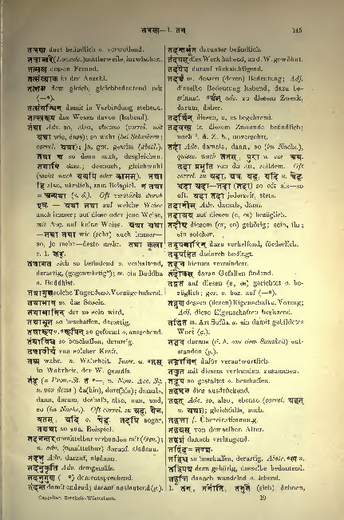
tád (= Pron. -St. ta˚ —, u. Nom. Acc. Sg. n. von dems.) da(hin), dor(hin); damals, dann, darum, deshalb, also, nun, und, so (im Nachs.). Oft correl. zu yad, yena, yatas, yadi o. ced. tadapi sogar, tadyathā so zum Beispeil.
Burnouf 1866 Word type unspecified
Original text · French · Word type unspecified
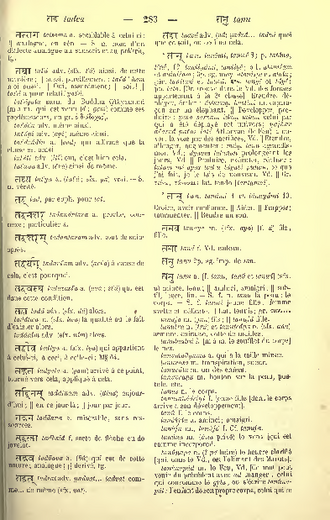
tad tad, par euph. pour tat.
Derived words
Further derivatives (1)
Occurrences in source texts (1203)
DYS 152 occurrences
DYS 2–8: Seeking a Teacher 11 occurrences
Direct occurrences
-
DYS 4 Segment 1
-
DYS 6 Segment 3
-
DYS 6 Segment 6
-
DYS 6 Segment 9
-
DYS 7 Segment 3
-
DYS 8 Segment 12
-
DYS 8 Segment 13
Occurrences through derived words
DYS 20–26: Practising Laya 3 occurrences
Direct occurrences
DYS 27–31: Survey of Haṭha 5 occurrences
Direct occurrences
Occurrences through derived words
35 more source pages
DYS 32–33: Yama and Niyama 2 occurrences
Direct occurrences
-
DYS 33 Segment 4
Occurrences through derived words
-
DYS 32 Segment 13
DYS 50–53: Obstacles 3 occurrences
Direct occurrences
DYS 54–59: The Yogi’s Hut 3 occurrences
Direct occurrences
-
DYS 58 Segment 11
Occurrences through derived words
DYS 60–66: Prāṇāyāma 4 occurrences
Direct occurrences
Occurrences through derived words
DYS 67–68: Fruits of Prāṇāyāma 3 occurrences
Direct occurrences
-
DYS 68 Segment 4
Occurrences through derived words
DYS 69–72: Avoid and Support 2 occurrences
Occurrences through derived words
DYS 73–78: Kevala Kumbhaka 6 occurrences
Direct occurrences
Occurrences through derived words
DYS 79–83: Power and Bhūcarasiddhi 7 occurrences
Direct occurrences
Occurrences through derived words
DYS 84–86: Preserving Bindu 5 occurrences
Direct occurrences
DYS 87–88: Oṃ 2 occurrences
Direct occurrences
-
DYS 87 Segment 1
Occurrences through derived words
-
DYS 87 Segment 9
DYS 89–93: Stages of Development 5 occurrences
Direct occurrences
Occurrences through derived words
DYS 94–97: Pratyāhāra 11 occurrences
Direct occurrences
DYS 103–105: Students as Obstacle 3 occurrences
Direct occurrences
Occurrences through derived words
-
DYS 105 Segment 4
DYS 106–107: Ghaṭa and Paricaya 2 occurrences
Direct occurrences
-
DYS 107 Segment 1
Occurrences through derived words
-
DYS 107 Segment 8
DYS 112–121: Five Elements 13 occurrences
Direct occurrences
-
DYS 112 Segment 4
-
DYS 112 Segment 5
-
DYS 113 Segment 14
-
DYS 116 Segment 3
-
DYS 116 Segment 7
-
DYS 117 Segment 14
-
DYS 119 Segment 4
-
DYS 121 Segment 6
Occurrences through derived words
DYS 122–123: Dhyāna 2 occurrences
Direct occurrences
-
DYS 122 Segment 6
Occurrences through derived words
-
DYS 122 Segment 11
DYS 138–140: Jālandharabandha 3 occurrences
Direct occurrences
DYS 150–153*3: Vajrolī: Secret Teaching 6 occurrences
Direct occurrences
Occurrences through derived words
-
DYS 153 Segment 1
DYS 154–167: Vajrolī for the Male Yogi 9 occurrences
Direct occurrences
-
DYS 154 Segment 15
-
DYS 156 Segment 11
-
DYS 157 Segment 3
-
DYS 158 Segment 3
-
DYS 163 Segment 4
-
DYS 166 Segment 1
Occurrences through derived words
DYS 168–179*1: Vajrolī for the Yoginī 15 occurrences
Direct occurrences
-
DYS 169 Segment 15
-
DYS 172 Segment 4
-
DYS 174 Segment 1
-
DYS 174 Segment 10
-
DYS 175 Segment 1
-
DYS 175 Segment 3
-
DYS 178 Segment 7
-
DYS 179 Segment 9
-
DYS 179*1 Segment 9
Occurrences through derived words
DYS 180–183*1: Amarolī and Sahajolī 3 occurrences
Direct occurrences
DYS 184–187: Rāja Yoga and Perfection 2 occurrences
Occurrences through derived words
DYS 192: Mahāmāyā 4 occurrences
Direct occurrences
Occurrences through derived words
-
DYS 192 Segment 16
GoS 64 occurrences
GoS 1–8: Learning and Liberation 4 occurrences
Direct occurrences
GoS 9–11: Breath and Conditioning 4 occurrences
Direct occurrences
GoS 12–15: Moderate Eating and a Steady Seat 2 occurrences
Direct occurrences
GoS 16–19: The Coiled Power 3 occurrences
Direct occurrences
GoS 20–28: Setting Sarasvatī in Motion 8 occurrences
Direct occurrences
-
GoS 21 Segment 2
-
GoS 21 Segment 3
-
GoS 23 Segment 8
-
GoS 23 Segment 10
-
GoS 24 Segment 2
-
GoS 26 Segment 10
-
GoS 28 Segment 2
Occurrences through derived words
-
GoS 21 Segment 6
9 more source pages
GoS 34–41: Sun, Sound and Cooling 3 occurrences
Occurrences through derived words
GoS 42–49: Breath as Bellows 3 occurrences
Direct occurrences
-
GoS 43 Segment 10
Occurrences through derived words
GoS 50–63: Three Locks 12 occurrences
Direct occurrences
-
GoS 50 Segment 3
-
GoS 51 Segment 8
-
GoS 52 Segment 4
-
GoS 53 Segment 2
-
GoS 55 Segment 1
-
GoS 55 Segment 9
-
GoS 57 Segment 1
-
GoS 58 Segment 9
Occurrences through derived words
GoS 67–73: Examining Obstacles 3 occurrences
Occurrences through derived words
GoS 74–80: Through the Three Knots 7 occurrences
Direct occurrences
Occurrences through derived words
GoS 81–88: Moon, Fluid and Union 4 occurrences
Direct occurrences
Occurrences through derived words
GoS 89–94: Body, Names and Reality 6 occurrences
Direct occurrences
Occurrences through derived words
-
GoS 92 Segment 12
GoS 95–100: Dream and Discerning Knowledge 2 occurrences
Direct occurrences
HP 214 occurrences
HP 1.4-1.10: Lineage of Siddhas 2 occurrences
Direct occurrences
HP 1.15-1.16*2: Factors of Practice 1 occurrence
Occurrences through derived words
-
HP 1.16 Segment 4
HP 1.17-1.32: Āsana 3 occurrences
Direct occurrences
HP 1.33-1.43: Siddhāsana 2 occurrences
Direct occurrences
-
HP 1.33 Segment 8
Occurrences through derived words
-
HP 1.34 Segment 11
HP 1.44-1.49: Padmāsana 3 occurrences
Direct occurrences
Occurrences through derived words
-
HP 1.45–46 Segment 14
43 more source pages
HP 2.1-2.6: Introduction to Prāṇāyāma 5 occurrences
Direct occurrences
-
HP 2.3 Segment 10
Occurrences through derived words
HP 2.7-2.10: Nāḍīśodhana 2 occurrences
Direct occurrences
-
HP 2.9 Segment 3
Occurrences through derived words
-
HP 2.9 Segment 10
HP 2.11-2.14: Measure of Practice 2 occurrences
Direct occurrences
-
HP 2.13 Segment 12
Occurrences through derived words
-
HP 2.14 Segment 9
HP 2.24-2.29: Dhauti and Basti 3 occurrences
Direct occurrences
Occurrences through derived words
-
HP 2.24 Segment 9
HP 2.37-2.43: Path to Manonmanī 3 occurrences
Direct occurrences
Occurrences through derived words
-
HP 2.37 Segment 11
HP 2.48-2.50: Sūryabhedana 2 occurrences
Occurrences through derived words
HP 2.60-2.68: Bhastrikā 2 occurrences
Occurrences through derived words
HP 2.72-2.78: Kevala Kumbhaka 4 occurrences
Direct occurrences
Occurrences through derived words
-
HP 2.77 Segment 12
HP 3.1-3.5: Foundation of Kuṇḍalinī 5 occurrences
Direct occurrences
-
HP 3.5 Segment 1
Occurrences through derived words
HP 3.10-3.18: Mahāmudrā 5 occurrences
Direct occurrences
Occurrences through derived words
HP 3.32: Preparation for Khecarī 2 occurrences
Direct occurrences
-
HP 3.32 Segment 9
Occurrences through derived words
-
HP 3.32 Segment 14
HP 3.33-3.48*1: Khecarī and Soma 19 occurrences
Direct occurrences
-
HP 3.34*1–34*2 Segment 9
-
HP 3.34*1–34*2 Segment 15
-
HP 3.35 Segment 4
-
HP 3.35 Segment 15
-
HP 3.36 Segment 3
-
HP 3.37 Segment 10
-
HP 3.38 Segment 8
-
HP 3.41 Segment 13
-
HP 3.43 Segment 10
-
HP 3.44 Segment 5
-
HP 3.44 Segment 13
-
HP 3.45 Segment 12
-
HP 3.46 Segment 29
-
HP 3.47 Segment 28
-
HP 3.48*1 Segment 7
-
HP 3.48*1 Segment 14
-
HP 3.48*1 Segment 22
-
HP 3.48*1 Segment 25
Occurrences through derived words
-
HP 3.48*1 Segment 9
HP 3.49-3.57: Mūlabandha 8 occurrences
Direct occurrences
Occurrences through derived words
HP 3.58-3.65: Uḍḍiyāna Bandha 4 occurrences
Direct occurrences
Occurrences through derived words
HP 3.66-3.72: Jālandhara and the Bandhas 2 occurrences
Occurrences through derived words
HP 3.73-3.78: Viparīta Karaṇī 6 occurrences
Direct occurrences
Occurrences through derived words
-
HP 3.77*2 Segment 1
HP 3.79-3.86*1: Vajrolī 3 occurrences
Direct occurrences
-
HP 3.85 Segment 10
Occurrences through derived words
HP 3.87-3.93*7: Sahajolī and Amarolī 11 occurrences
Direct occurrences
HP 3.94-3.102*1: Śakti Cālana 14 occurrences
Direct occurrences
-
HP 3.94 Segment 10
-
HP 3.95 Segment 10
-
HP 3.95*1 Segment 4
-
HP 3.97 Segment 12
-
HP 3.97*1 Segment 28
-
HP 3.99 Segment 1
-
HP 3.99 Segment 3
-
HP 3.99 Segment 8
-
HP 3.100 Segment 1
-
HP 3.100 Segment 8
-
HP 3.101 Segment 4
-
HP 3.102 Segment 8
Occurrences through derived words
HP 3.103-3.107*2: Conclusion of the Mudrā Teaching 5 occurrences
Direct occurrences
-
HP 3.103 Segment 10
-
HP 3.107*1 Segment 8
-
HP 3.107*1 Segment 16
-
HP 3.107*2 Segment 1
-
HP 3.107*2 Segment 12
HP 4.0*1-4.0*14: Samādhi and Laya 7 occurrences
Direct occurrences
Occurrences through derived words
HP 4.1-4.4: Laya and Breath 3 occurrences
Direct occurrences
Occurrences through derived words
-
HP 4.4 Segment 4
HP 4.5-4.8: Śāmbhavī and Khecarī 3 occurrences
Direct occurrences
Occurrences through derived words
-
HP 4.7 Segment 32
HP 4.9-4.11*4: Gaze and Lunar Nectar 9 occurrences
Direct occurrences
-
HP 4.9 Segment 7
-
HP 4.9 Segment 14
-
HP 4.9 Segment 23
-
HP 4.9 Segment 26
-
HP 4.10 Segment 9
-
HP 4.10 Segment 13
-
HP 4.11*3 Segment 27
Occurrences through derived words
HP 4.11*5-4.11*14: Khecarī in Space 7 occurrences
Direct occurrences
-
HP 4.11*5 Segment 11
-
HP 4.11*6 Segment 12
-
HP 4.11*9 Segment 13
-
HP 4.11*10 Segment 1
-
HP 4.11*13 Segment 10
Occurrences through derived words
-
HP 4.11*8 Segment 13
-
HP 4.11*13 Segment 13
HP 4.11*15-4.11*28: Space and Laya 4 occurrences
Direct occurrences
-
HP 4.11*19 Segment 13
-
HP 4.11*25 Segment 5
Occurrences through derived words
-
HP 4.11*17 Segment 12
-
HP 4.11*24 Segment 12
HP 4.11*29-4.11*31: Transition to Nāda 1 occurrence
Occurrences through derived words
-
HP 4.11*31 Segment 2
HP 4.20-4.27: Four Stages of Nāda 8 occurrences
Occurrences through derived words
HP 4.27*1-4.35: Rājayoga and Haṭha 5 occurrences
Direct occurrences
-
HP 4.30 Segment 10
Occurrences through derived words
-
HP 4.29 Segment 12
-
HP 4.31 Segment 1
-
HP 4.32–33 Segment 18
-
HP 4.34 Segment 9
HP 4.35*1-4.36: Signs of Samādhi 4 occurrences
Direct occurrences
HP 4.37-4.46: Listening to Nāda 7 occurrences
Direct occurrences
Occurrences through derived words
HP 4.47-4.55*4: Nāda Binds the Mind 9 occurrences
Direct occurrences
-
HP 4.52 Segment 3
-
HP 4.52 Segment 15
-
HP 4.52 Segment 19
-
HP 4.52*1 Segment 13
-
HP 4.53 Segment 9
-
HP 4.54 Segment 8
-
HP 4.54 Segment 11
-
HP 4.54 Segment 14
Occurrences through derived words
-
HP 4.52*1 Segment 10
HP 4.56-4.66: The Middle Path 5 occurrences
Direct occurrences
Occurrences through derived words
-
HP 4.57 Segment 25
HTK 23 occurrences
HTK 10.0*1–5: Sītkā, Śītalī and Sūryabheda 6 occurrences
Direct occurrences
Occurrences through derived words
-
HTK 10.0*2 Segment 1
-
HTK 10.4 Segment 6
-
HTK 10.4 Segment 22
HTK 10.11*2–14*1: Bhastrikā: Breath like a bellows 4 occurrences
Direct occurrences
Occurrences through derived words
HTK 10.14*2–17*1: Śītalī and Antaraṅgaka-kumbha 2 occurrences
Occurrences through derived words
6 more source pages
HTK 10.21*2–23*1: Utkarṣa and Apakarṣa 3 occurrences
Direct occurrences
HTK 10.34*2–38*1: Asvaṅgaśṛṅkhalā and Kumbhāntaraśṛṅkhalā 1 occurrence
Direct occurrences
-
HTK 10.37 Segment 33
HTK 10.42–43: Meru: Three stages of breath retention 1 occurrence
Direct occurrences
-
HTK 10.42 Segment 1
HTK 10.47*2: Kumbhaka: Names, forms and effects 1 occurrence
Occurrences through derived words
-
HTK 10.47*2 Segment 5
IVU 26 occurrences
IVU 1-3: Non-Attachment 4 occurrences
Direct occurrences
IVU 4-5: The Unmoving Self 8 occurrences
Direct occurrences
IVU 6-7: All Beings in the Self 2 occurrences
Occurrences through derived words
IVU 9-11: Insufficiency of Knowledge 4 occurrences
Direct occurrences
Occurrences through derived words
-
IVU 9 Segment 8
IVU 12-14: Insufficiency of Becoming 4 occurrences
Direct occurrences
Occurrences through derived words
-
IVU 12 Segment 8
MAN 6 occurrences
MandUp 7 occurrences
MandUp 1-2: Om and Brahman 3 occurrences
Direct occurrences
MandUp 3-7: Four modes of awareness 3 occurrences
Direct occurrences
PJH 13 occurrences
PJH 3-4: Perceiver and Perceived; Microcosm and Macrocosm 1 occurrence
Direct occurrences
-
PJH 3 Segment 1
PJH 7-8: Tantric Cosmology and the Revelation of Divine Awareness 2 occurrences
Direct occurrences
PJH 12-14: Understanding the Five Acts 2 occurrences
Direct occurrences
PYS 80 occurrences
PYS 1.12–16: Abhyāsa and Vairāgya 4 occurrences
Direct occurrences
Occurrences through derived words
-
PYS 1.13 Segment 1
PYS 1.27–29: Praṇava 4 occurrences
Direct occurrences
Occurrences through derived words
-
PYS 1.29 Segment 1
39 more source pages
PYS 1.31–32: Distraction and Its Remedy 2 occurrences
Direct occurrences
-
PYS 1.32 Segment 1
Occurrences through derived words
-
PYS 1.32 Segment 5
PYS 1.46–49: Samādhi with Seed 2 occurrences
Direct occurrences
-
PYS 1.46 Segment 1
Occurrences through derived words
-
PYS 1.48 Segment 2
PYS 1.50–51: Samādhi without Seed 2 occurrences
Direct occurrences
PYS 2.10–11: Eliminating the Kleśas 2 occurrences
Direct occurrences
PYS 2.12–14: The Karmic Store 2 occurrences
Direct occurrences
PYS 2.20–22: Puruṣa and the Seen 2 occurrences
Direct occurrences
PYS 2.23–26: From Avidyā to Kaivalya 3 occurrences
Direct occurrences
PYS 2.46–48: Āsana as a Seated Posture 1 occurrence
Occurrences through derived words
-
PYS 2.48 Segment 1
PYS 2.52–53: Karmic Veil and Dhāraṇā 1 occurrence
Occurrences through derived words
-
PYS 2.52 Segment 1
PYS 3.1–4: Saṃyama 2 occurrences
Direct occurrences
-
PYS 3.3 Segment 1
Occurrences through derived words
-
PYS 3.2 Segment 1
PYS 3.5–8: Stages of Saṃyama 3 occurrences
Direct occurrences
PYS 3.9–12: Three Transformations of Citta 2 occurrences
Direct occurrences
-
PYS 3.10 Segment 1
Occurrences through derived words
-
PYS 3.12 Segment 1
PYS 3.17–20: Extraordinary Knowledge 3 occurrences
Direct occurrences
PYS 3.21–22: Invisibility and Time of Death 2 occurrences
Direct occurrences
PYS 3.35–37: Knowledge of Puruṣa and Siddhis 2 occurrences
Direct occurrences
-
PYS 3.37 Segment 1
Occurrences through derived words
-
PYS 3.36 Segment 1
PYS 3.44–46: Mastery over the Elements 2 occurrences
Direct occurrences
-
PYS 3.45 Segment 6
Occurrences through derived words
-
PYS 3.45 Segment 1
PYS 3.47–48: Mastery over the Senses 1 occurrence
Occurrences through derived words
-
PYS 3.48 Segment 1
PYS 3.52–55: Viveka and Kaivalya 2 occurrences
Direct occurrences
-
PYS 3.52 Segment 2
Occurrences through derived words
-
PYS 3.53 Segment 7
PYS 4.7–8: Four Kinds of Karma 2 occurrences
Direct occurrences
-
PYS 4.8 Segment 2
Occurrences through derived words
-
PYS 4.8 Segment 1
PYS 4.9–11: Continuity of Saṃskāras 2 occurrences
Direct occurrences
PYS 4.12–14: Real Objects in Transformation 2 occurrences
Direct occurrences
-
PYS 4.13 Segment 1
Occurrences through derived words
-
PYS 4.14 Segment 4
PYS 4.15–17: Object and Citta 4 occurrences
Direct occurrences
Occurrences through derived words
-
PYS 4.16 Segment 9
PYS 4.18–21: Puruṣa Knows Citta 2 occurrences
Direct occurrences
PYS 4.25–26: Citta Flows toward Kaivalya 1 occurrence
Occurrences through derived words
-
PYS 4.26 Segment 1
SiSa 370 occurrences
SiSa 1.10-1.16: Lehrmeinungen 3 occurrences
Direct occurrences
-
SiSa 1.11 Segment 5
Occurrences through derived words
SiSa 1.20-1.31: Karma und Erkenntnis 3 occurrences
Direct occurrences
Occurrences through derived words
-
SiSa 1.28 Segment 10
SiSa 1.32-1.34: Selbst als Ursprung 3 occurrences
Direct occurrences
SiSa 1.35-1.44: Täuschungs-Gleichnisse 4 occurrences
Direct occurrences
73 more source pages
SiSa 1.51-1.64: Selbst als Licht 12 occurrences
Direct occurrences
-
SiSa 1.54 Segment 13
-
SiSa 1.55 Segment 11
-
SiSa 1.56 Segment 10
-
SiSa 1.57 Segment 2
-
SiSa 1.57 Segment 7
-
SiSa 1.57 Segment 13
-
SiSa 1.58 Segment 14
-
SiSa 1.59 Segment 8
-
SiSa 1.59 Segment 13
-
SiSa 1.60 Segment 13
Occurrences through derived words
SiSa 1.65-1.70: Māyā-Aufhebung 3 occurrences
Occurrences through derived words
SiSa 1.71-1.81: Avidyā und Elemente 7 occurrences
Direct occurrences
Occurrences through derived words
SiSa 1.82-1.90: Guṇas und Gegenstände 9 occurrences
Direct occurrences
-
SiSa 1.83 Segment 1
-
SiSa 1.83 Segment 12
-
SiSa 1.84 Segment 6
-
SiSa 1.84 Segment 12
-
SiSa 1.84 Segment 15
-
SiSa 1.85 Segment 12
-
SiSa 1.86 Segment 6
-
SiSa 1.86 Segment 15
Occurrences through derived words
-
SiSa 1.88 Segment 8
SiSa 1.91-1.92: Wahres Wissen 3 occurrences
Direct occurrences
SiSa 1.93-1.99: Karmische Verkörperung 4 occurrences
Direct occurrences
SiSa 2.13-2.20: Suṣumṇā und Citrā 8 occurrences
Direct occurrences
-
SiSa 2.13 Segment 14
-
SiSa 2.16 Segment 6
-
SiSa 2.16 Segment 11
-
SiSa 2.17 Segment 3
-
SiSa 2.18 Segment 1
-
SiSa 2.18 Segment 6
-
SiSa 2.19 Segment 12
Occurrences through derived words
-
SiSa 2.18 Segment 13
SiSa 2.21-2.24: Ādhāra und Kuṇḍalī 3 occurrences
Direct occurrences
Occurrences through derived words
-
SiSa 2.23 Segment 1
SiSa 2.25-2.31: Nāḍī-Netz 2 occurrences
Direct occurrences
SiSa 2.32-2.34: Inneres Feuer 3 occurrences
Direct occurrences
SiSa 2.35-2.40: Jīva und Karma 4 occurrences
Direct occurrences
SiSa 2.41-2.43: Māyā-Projektion 3 occurrences
Direct occurrences
SiSa 2.49-2.54: Befreiungswissen 5 occurrences
Direct occurrences
-
SiSa 2.51 Segment 15
Occurrences through derived words
SiSa 3.1-3.10: Herzlotus und Prāṇa 6 occurrences
Direct occurrences
Occurrences through derived words
SiSa 3.21-3.31: Nāḍī-Reinigung 7 occurrences
Direct occurrences
-
SiSa 3.29 Segment 22
Occurrences through derived words
SiSa 3.34-3.38: Förderliche Mittel 1 occurrence
Occurrences through derived words
-
SiSa 3.38 Segment 1
SiSa 3.41-3.48: Atemkraft und Hindernisse 6 occurrences
Direct occurrences
Occurrences through derived words
SiSa 3.51-3.54: Prāṇāyāma-Siddhis 2 occurrences
Occurrences through derived words
SiSa 3.55-3.60: Ghaṭāvasthā 9 occurrences
Direct occurrences
Occurrences through derived words
SiSa 3.61-3.67: Paricaya und Niṣpatti 7 occurrences
Direct occurrences
Occurrences through derived words
SiSa 3.68-3.80: Vāyusādhana 7 occurrences
Direct occurrences
SiSa 3.81-3.83: Freiheit von Wiederkehr 2 occurrences
Direct occurrences
SiSa 3.84-3.87: Siddhāsana 2 occurrences
Direct occurrences
-
SiSa 3.84 Segment 8
Occurrences through derived words
-
SiSa 3.84 Segment 18
SiSa 3.95-3.97: Svastikāsana 2 occurrences
Direct occurrences
SiSa 4.1-4.8: Yonimudrā-Kreislauf 9 occurrences
Direct occurrences
SiSa 4.9-4.20: Yonimudrā-Geheimnis 2 occurrences
Direct occurrences
-
SiSa 4.13 Segment 9
Occurrences through derived words
-
SiSa 4.14 Segment 6
SiSa 4.21-4.25: Zehn Mudrās 2 occurrences
Direct occurrences
-
SiSa 4.23 Segment 1
Occurrences through derived words
-
SiSa 4.22 Segment 8
SiSa 4.37-4.42: Mahābandha 2 occurrences
Direct occurrences
-
SiSa 4.37 Segment 5
Occurrences through derived words
-
SiSa 4.37 Segment 1
SiSa 4.43-4.50: Mahāvedha 3 occurrences
Direct occurrences
SiSa 4.51-4.59: Khecarīmudrā 6 occurrences
Direct occurrences
SiSa 4.69-4.71: Viparītakṛti 2 occurrences
Direct occurrences
SiSa 4.72-4.77: Uḍḍyānabandha 2 occurrences
Direct occurrences
SiSa 4.81-4.90: Bindu-Bewahrung 3 occurrences
Direct occurrences
Occurrences through derived words
-
SiSa 4.87 Segment 14
SiSa 4.95-4.100: Sahajolī und Amarolī 2 occurrences
Direct occurrences
-
SiSa 4.98 Segment 10
-
SiSa 4.100 Segment 9
SiSa 4.101-4.104: Bindu-Siddhi 3 occurrences
Direct occurrences
-
SiSa 4.101 Segment 16
-
SiSa 4.102 Segment 11
-
SiSa 4.103 Segment 16
SiSa 4.105-4.111: Śakticālana 4 occurrences
Direct occurrences
-
SiSa 4.106 Segment 12
-
SiSa 4.107 Segment 9
-
SiSa 4.109 Segment 4
-
SiSa 4.110 Segment 4
SiSa 5.17-5.20: Madhya und Layayoga 2 occurrences
Direct occurrences
SiSa 5.29-5.35: Pratīka-upāsanā 3 occurrences
Direct occurrences
SiSa 5.36-5.37: Inneres Licht 2 occurrences
Direct occurrences
SiSa 5.38-5.47: Nāda-Laya 6 occurrences
Direct occurrences
SiSa 5.48-5.71: Innere Meditation 15 occurrences
Direct occurrences
-
SiSa 5.49 Segment 4
-
SiSa 5.54 Segment 8
-
SiSa 5.55 Segment 5
-
SiSa 5.55 Segment 13
-
SiSa 5.56 Segment 10
-
SiSa 5.57 Segment 5
-
SiSa 5.58 Segment 5
-
SiSa 5.58 Segment 7
-
SiSa 5.58 Segment 13
-
SiSa 5.59 Segment 17
-
SiSa 5.61 Segment 10
-
SiSa 5.64 Segment 5
-
SiSa 5.64 Segment 11
-
SiSa 5.68 Segment 12
-
SiSa 5.69 Segment 14
SiSa 5.74-5.76: Nāḍī-Zirkulation 3 occurrences
Direct occurrences
SiSa 5.82-5.89: Mūlādhāra 4 occurrences
Direct occurrences
SiSa 5.90-5.93: Mūlādhāra-Wirkungen 2 occurrences
Direct occurrences
SiSa 5.94-5.101: Mūlādhāra-Siddhis 6 occurrences
Direct occurrences
SiSa 5.102-5.107: Svādhiṣṭhāna 6 occurrences
Direct occurrences
-
SiSa 5.102 Segment 9
-
SiSa 5.103 Segment 3
-
SiSa 5.104 Segment 8
-
SiSa 5.106 Segment 3
-
SiSa 5.106 Segment 4
-
SiSa 5.106 Segment 10
SiSa 5.108-5.112: Maṇipūra 4 occurrences
Direct occurrences
-
SiSa 5.110 Segment 1
-
SiSa 5.110 Segment 8
Occurrences through derived words
-
SiSa 5.109 Segment 1
-
SiSa 5.109 Segment 6
SiSa 5.113-5.120: Anāhata 5 occurrences
Direct occurrences
-
SiSa 5.114 Segment 10
-
SiSa 5.115 Segment 1
-
SiSa 5.116 Segment 10
-
SiSa 5.117 Segment 4
-
SiSa 5.119 Segment 13
SiSa 5.121-5.127: Viśuddha 8 occurrences
Direct occurrences
-
SiSa 5.122 Segment 14
-
SiSa 5.123 Segment 2
-
SiSa 5.126 Segment 1
-
SiSa 5.127 Segment 3
-
SiSa 5.127 Segment 13
Occurrences through derived words
-
SiSa 5.124 Segment 10
-
SiSa 5.125 Segment 10
-
SiSa 5.127 Segment 9
SiSa 5.128-5.131: Ājñā 3 occurrences
Direct occurrences
-
SiSa 5.128 Segment 13
-
SiSa 5.131 Segment 4
Occurrences through derived words
-
SiSa 5.129 Segment 4
SiSa 5.132-5.143: Innere Vārāṇasī 20 occurrences
Direct occurrences
-
SiSa 5.132 Segment 12
-
SiSa 5.134 Segment 14
-
SiSa 5.135 Segment 14
-
SiSa 5.136 Segment 4
-
SiSa 5.137 Segment 2
-
SiSa 5.137 Segment 4
-
SiSa 5.139 Segment 1
-
SiSa 5.139 Segment 5
-
SiSa 5.140 Segment 15
-
SiSa 5.141 Segment 1
Occurrences through derived words
-
SiSa 5.133 Segment 5
-
SiSa 5.133 Segment 12
-
SiSa 5.134 Segment 10
-
SiSa 5.135 Segment 9
-
SiSa 5.136 Segment 11
-
SiSa 5.138 Segment 12
-
SiSa 5.139 Segment 20
-
SiSa 5.140 Segment 10
-
SiSa 5.141 Segment 11
-
SiSa 5.142 Segment 2
SiSa 5.144-5.155: Ājñā und Khecarī 11 occurrences
Direct occurrences
-
SiSa 5.144 Segment 18
-
SiSa 5.147 Segment 10
-
SiSa 5.147 Segment 12
-
SiSa 5.149 Segment 10
-
SiSa 5.149 Segment 15
-
SiSa 5.150 Segment 10
-
SiSa 5.152 Segment 4
-
SiSa 5.152 Segment 12
-
SiSa 5.155 Segment 18
Occurrences through derived words
-
SiSa 5.144 Segment 11
-
SiSa 5.146 Segment 9
SiSa 5.156-5.181: Sahasrāra 28 occurrences
Direct occurrences
-
SiSa 5.157 Segment 4
-
SiSa 5.157 Segment 17
-
SiSa 5.158 Segment 10
-
SiSa 5.159 Segment 1
-
SiSa 5.159 Segment 11
-
SiSa 5.159 Segment 19
-
SiSa 5.159 Segment 22
-
SiSa 5.160 Segment 9
-
SiSa 5.162 Segment 8
-
SiSa 5.163 Segment 1
-
SiSa 5.163 Segment 10
-
SiSa 5.167 Segment 20
-
SiSa 5.168 Segment 4
-
SiSa 5.169 Segment 8
-
SiSa 5.170 Segment 13
-
SiSa 5.172 Segment 13
-
SiSa 5.173 Segment 11
-
SiSa 5.174 Segment 8
-
SiSa 5.176 Segment 14
-
SiSa 5.177 Segment 10
-
SiSa 5.178 Segment 13
-
SiSa 5.179 Segment 5
-
SiSa 5.180 Segment 11
-
SiSa 5.180 Segment 22
-
SiSa 5.181 Segment 12
Occurrences through derived words
-
SiSa 5.164 Segment 1
-
SiSa 5.165 Segment 6
-
SiSa 5.167 Segment 12
SiSa 5.182-5.190: Sahasrāra-Mond 5 occurrences
Direct occurrences
-
SiSa 5.182 Segment 9
-
SiSa 5.182 Segment 13
-
SiSa 5.185 Segment 14
-
SiSa 5.186 Segment 15
Occurrences through derived words
-
SiSa 5.184 Segment 9
SiSa 5.191-5.207: Kailāsa und Mahāśūnya 15 occurrences
Direct occurrences
-
SiSa 5.192 Segment 3
-
SiSa 5.199 Segment 9
-
SiSa 5.200 Segment 5
-
SiSa 5.201 Segment 9
-
SiSa 5.202 Segment 5
-
SiSa 5.203 Segment 9
-
SiSa 5.204 Segment 10
-
SiSa 5.204 Segment 13
-
SiSa 5.205 Segment 10
-
SiSa 5.206 Segment 12
Occurrences through derived words
-
SiSa 5.195 Segment 9
-
SiSa 5.196 Segment 8
-
SiSa 5.198 Segment 9
-
SiSa 5.200 Segment 10
-
SiSa 5.204 Segment 4
SiSa 5.208-5.222: Rājayoga 11 occurrences
Direct occurrences
-
SiSa 5.212 Segment 5
-
SiSa 5.213 Segment 10
-
SiSa 5.213 Segment 16
-
SiSa 5.213 Segment 22
-
SiSa 5.214 Segment 11
-
SiSa 5.215 Segment 7
-
SiSa 5.217 Segment 13
-
SiSa 5.220 Segment 16
-
SiSa 5.221 Segment 13
-
SiSa 5.222 Segment 18
Occurrences through derived words
-
SiSa 5.222 Segment 12
SiSa 5.223-5.233: Praxis im Leben 5 occurrences
Direct occurrences
-
SiSa 5.223 Segment 13
-
SiSa 5.227 Segment 7
-
SiSa 5.228 Segment 6
-
SiSa 5.230 Segment 10
Occurrences through derived words
-
SiSa 5.229 Segment 9
SiSa 5.234-5.252: Tripurā-Mantra 12 occurrences
Direct occurrences
-
SiSa 5.234 Segment 10
-
SiSa 5.238 Segment 1
-
SiSa 5.242 Segment 11
-
SiSa 5.243 Segment 18
-
SiSa 5.243 Segment 20
-
SiSa 5.244 Segment 11
-
SiSa 5.245 Segment 11
-
SiSa 5.247 Segment 3
-
SiSa 5.251 Segment 14
-
SiSa 5.252 Segment 10
Occurrences through derived words
-
SiSa 5.240 Segment 10
-
SiSa 5.250 Segment 14
SiSa 5.253-5.260: Haushalter-Abschluss 6 occurrences
Direct occurrences
-
SiSa 5.255 Segment 12
-
SiSa 5.256 Segment 1
-
SiSa 5.257 Segment 9
-
SiSa 5.258 Segment 9
-
SiSa 5.259 Segment 11
-
SiSa 5.260 Segment 20
SS 9 occurrences
SVU 129 occurrences
SVU 1.1-1.3: The Search for the Cause 2 occurrences
Direct occurrences
SVU 1.4-1.6: Wheel, River and Soul 4 occurrences
Direct occurrences
Occurrences through derived words
-
SVU 1.6 Segment 18
SVU 1.7-1.12: Triad and Freedom 5 occurrences
Direct occurrences
Occurrences through derived words
-
SVU 1.10 Segment 15
SVU 1.13-1.16: The Hidden Fire 4 occurrences
Direct occurrences
SVU 2.1-2.3: Savitṛ Gathers Mind and Senses 2 occurrences
Direct occurrences
-
SVU 2.3 Segment 14
Occurrences through derived words
-
SVU 2.1 Segment 4
SVU 2.6-2.7: Where the Gathered Mind Arises 2 occurrences
Occurrences through derived words
21 more source pages
SVU 2.14-2.16: Self-Luminous and Unbound 9 occurrences
Direct occurrences
Occurrences through derived words
SVU 3.5-3.6: Rudra's Auspicious Form 2 occurrences
Direct occurrences
SVU 3.7-3.9: The Supreme Puruṣa 4 occurrences
Direct occurrences
Occurrences through derived words
-
SVU 3.7 Segment 1
SVU 3.10-3.12: The Formless Light 4 occurrences
Direct occurrences
Occurrences through derived words
-
SVU 3.10 Segment 1
SVU 3.13-3.18: In the Heart and in the World 3 occurrences
Direct occurrences
SVU 3.19-3.21: Beyond the Senses 5 occurrences
Direct occurrences
SVU 4.1-4.5: The One in Every Form 10 occurrences
Direct occurrences
SVU 4.6-4.10: Two Birds and Māyā 6 occurrences
Direct occurrences
SVU 4.11-4.16: The Hidden Creator 4 occurrences
Direct occurrences
SVU 4.17-4.22: Knowledge and Protection 8 occurrences
Direct occurrences
SVU 5.1–5.6: The Lord of Cosmic Origins 8 occurrences
Direct occurrences
SVU 5.7–5.11: The Wandering Self 8 occurrences
Direct occurrences
SVU 5.12–5.14: Knowledge and Freedom 2 occurrences
Direct occurrences
SVU 6.1–6.6: Lord of Cosmic Unfolding 9 occurrences
Direct occurrences
-
SVU 6.2 Segment 14
-
SVU 6.3 Segment 1
-
SVU 6.4 Segment 11
-
SVU 6.4 Segment 19
-
SVU 6.5 Segment 2
-
SVU 6.5 Segment 13
-
SVU 6.6 Segment 1
Occurrences through derived words
SVU 6.7–6.13: Lord of All Lords 11 occurrences
Direct occurrences
VBT 110 occurrences
VBT 14–17: Highest Reality 3 occurrences
Direct occurrences
Occurrences through derived words
-
VBT 16 Segment 12
VBT 18–21: Śakti and Śiva 2 occurrences
Direct occurrences
-
VBT 18 Segment 10
Occurrences through derived words
-
VBT 20 Segment 7
VBT 24–31: Breath and Śakti 4 occurrences
Direct occurrences
15 more source pages
VBT 43–48: Body as Space 6 occurrences
Direct occurrences
Occurrences through derived words
VBT 49–56: Heart and Dissolution 4 occurrences
Occurrences through derived words
VBT 57–64: Intervals and Equality 11 occurrences
Direct occurrences
-
VBT 58 Segment 15
-
VBT 59 Segment 9
-
VBT 59 Segment 11
-
VBT 59 Segment 14
-
VBT 59 Segment 16
-
VBT 62 Segment 12
Occurrences through derived words
VBT 65–74: Joy and Enjoyment 11 occurrences
Direct occurrences
Occurrences through derived words
VBT 75–85: Thresholds and Sky 8 occurrences
Direct occurrences
Occurrences through derived words
VBT 86–92: Light and Darkness 3 occurrences
Direct occurrences
-
VBT 88 Segment 14
Occurrences through derived words
VBT 93–100: Pain and Desire 11 occurrences
Direct occurrences
Occurrences through derived words
VBT 101–109: Śiva-Identity 5 occurrences
Direct occurrences
Occurrences through derived words
VBT 110–120: Everyday as Gate 5 occurrences
Direct occurrences
Occurrences through derived words
VBT 121–129: Devotion and Release 14 occurrences
Direct occurrences
-
VBT 121 Segment 8
-
VBT 121 Segment 13
-
VBT 122 Segment 8
-
VBT 123 Segment 6
-
VBT 123 Segment 15
-
VBT 124 Segment 10
-
VBT 127 Segment 11
-
VBT 127 Segment 15
-
VBT 129 Segment 5
-
VBT 129 Segment 6
-
VBT 129 Segment 7
-
VBT 129 Segment 9
Occurrences through derived words
VBT 130–138: Name and Fourfoldness 5 occurrences
Direct occurrences
Occurrences through derived words
VBT 139–145: Fruit of the Ways 2 occurrences
Direct occurrences
Continue with AYI Free
Image source: AYI archive.