

padma पद्म – Lotus; Padma
Adjektiv · Substantiv Maskulin · Substantiv Neutrum · Worttyp nicht bestimmt
Wörterbuchquellen
AYI Wörterbuch Substantiv Neutrum
Lotus; Padma
Cappeller 1891 Substantiv Maskulin · Substantiv Neutrum
Originaltext · Englisch · Substantiv Maskulin · Substantiv Neutrum
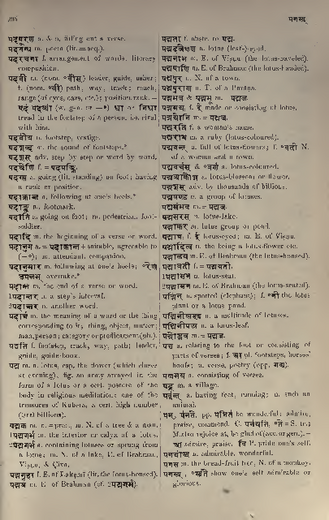
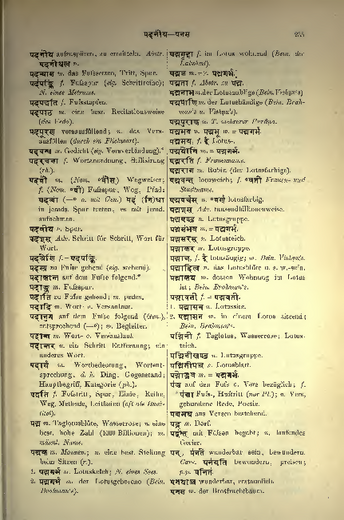
padma ·m. n. lotus, esp. the flower (which closes at evening), fig. an army arrayed in the form of a lotus or a cert. posture of the body in religious meditation; one of the treasures of Kubera, a cert. high number (1000 billions).
Monier-Williams 1872 Substantiv Maskulin · Substantiv Neutrum
Originaltext · Englisch · Substantiv Maskulin · Substantiv Neutrum
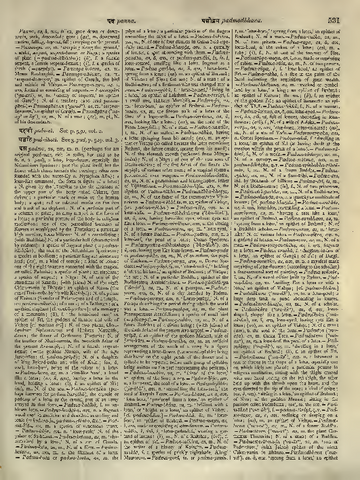
padma padma, as, am, m. n. (perhaps for an original pad-mat, rich in stalks, but said to be fr. rt. 2. pad), a lotus, lotus-flower, especially the Nelumbium Speciosum (not the plant itself, but the flower which closes towards the evening; often con- founded with the water-lily or Nymphæa Alba); a lotus-like ornament; the form or figure of a lotus; a N. given by the Tāntrikas to the six divisions of the upper part of the body called Cakras, (see cakra); a particular mark or mole on the human body; a spot; red or coloured marks on the face and trunk of an elephant; N. of a particular part of a column or pillar; an army arrayed in the form of a lotus; a particular posture of the body in religious meditation; one of the personified treasures of Kuvera as worshipped by the Tāntrikas; a particular high number, 1000 billions; N. of a constellation; (with Buddhists) N. of a particular hell (characterized by coldness); a species of fragrant plant (= padma- kāṣṭha); the root of the Nelumbium Speciosum; a species of bdellium; a particular fragrant substance; lead; (as), m. a kind of temple; a kind of coitus; one of the eight treasures connected with the magical art called Padminī; a species of plant; an elephant; a species of serpent; a Nāga; N. of one of the attendants of Skanda; (with Jainas) N. of the ninth Cakra-vartin in Bhārata; an epithet of Rāma (the son of Daśa-ratha by his wife Kauśalyā); N. of a prince of Kaśmīra (founder of Padma-pura and of a temple, see padma-svāmin); of a man; of a Brāhman; of a mythical elephant [cf. mahā-padma]; of a monkey; of a mountain; (ā), f. ‘the lotus-hued one,’ an epithet of Śrī, the goddess of fortune and wife of Viṣṇu [cf. padma-śrī]; N. of two plants, Clero- dendrum Siphonanthus and Hibiscus Mutabilis; cloves; the flower of Carthamus Tinctoria; N. of the mother of Muni-suvrata, the twentieth Arhat of the present Ava-sarpiṇī; N. of a female serpent- demon (= the goddess Manasā, wife of the sage Jarat-kāru; cf. padma-priyā); N. of a daughter of king Bṛhad-ratha and wife of Kalki; (as, ā, am), lotus-hued, being of the colour of a lotus.
Petersburger 1855 Adjektiv · Substantiv Maskulin · Substantiv Neutrum
Originaltext · Deutsch · Adjektiv · Substantiv Maskulin · Substantiv Neutrum
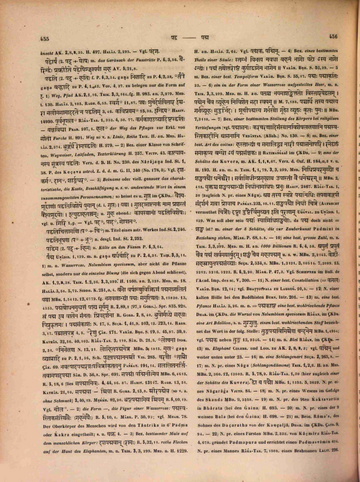
pádma UṆĀDIS. 1,139. m.n. gaṇa ardharcādi zu P. 2,4,31. TRIK. 3,5,11. 1〉 m.n. Wasserrose, Nelumbium speciosum, aber nicht die Pflanze selbst, sondern nur die einzelne Blume (die sich gegen Abend schliesst), AK. 1,2,3,38. TRIK. 1,2,36. TRIK. 3,3,299. H. 1160. H. an. 2,328. MED. m. 18. HALĀY. 3,58. HALĀY. 5,72. SIDDH. K. 251,a,4. babhau varṣāmbuviklinnaṃ padmamāgalitaṃ yathā MBH. 1,5412. MBH. 12,6779. fg. bhagavannābhyāṃ padmaḥ samutthitaḥ MBH. 3,15820. MBH. 13,4555. padmabodhanamudyantaṃ paśya sūryam R. 2,89,2 (R. 2,97,2 GORR.). Spr. 835. Spr. 928. tvaṃ padma iva vātena saṃnataḥ priyadarśanā R. GORR. 2,8,40. bhruvormadhye sahajaḥ pipluruttamaḥ . padmasaṃkāśaḥ N. 17,5. SUŚR. 1,41,9. SUŚR. 1,103,12. SUŚR. 1,223,14. RAGH. 3,17. padmātapatra RAGH. 4,5. ˚reṇu ŚĀK. 171. VARĀH. BṚH. S. 19,5. VARĀH. BṚH. S. 45,87. VARĀH. BṚH. S. 59,9. KATHĀS. 32,56. KATHĀS. 40,103. RĀJA-TAR. 3,110. SĀH. D. 21,5. ˚locanā INDR. 2,31. ˚nibhekṣaṇa N. 12,21. lohitapadmanetra MBH. 5,1815. mukha˚ gaṇa vyāghrādi zu P. 2,1,56, Sch. phullapadmānanaśrī VID. 285. caraṇau ˚tāmrau ŚĀK. 69. bhavatpādapadmarajaḥpavitrīkṛtatanu PAÑCAT. 191,14. salalitanartitavāmapādapadmā SĀH. D. 56,8. Spr. 691. sapadmāṃ padminīmiva MBH. 6,4613. R. 5,18,6 (lies sapadmāmiva). R. 4,44,86. R. 4,44,87. HARIV. 13147. RAGH. 13,51. KATHĀS. 21,10. sapadmayā — śriyā R. GORR. 2,13,8. śrīrapadmeva (so v. a. ohne Schmuck) R. GORR. 3,40,19. MṚCCH. 82,20. bhraṣṭapadmāmiva śriyam R. 6,10,19. Vgl. nīla˚. — 2〉 die Form —, die Figur einer Wasserrose: padmasvastikasaṃsthitaiḥ (gṛhameghaiḥ) R. 5,10,4. MĀRK. P. 50,92; vgl. MEGH. 78. Der Oberkörper des Menschen wird von den Tāntrika in 6 Padma oder Cakra eingetheilt; s. u. cakra 4. — 3〉 Bez. bestimmter Male auf dem menschlichen Körper: daśapadmavān (rāmaḥ) R. 5,32,11. rothe Flecken auf der Haut des Elephanten, m.n. TRIK. 3,3,299. MED. n. H. 1229. H. an. HALĀY. 2,64. Vgl. padmaka, padmin. — 4〉 Bez. eines bestimmten Theils einer Säule: stambhaṃ vibhajya navadhā vahanaṃ bhāgo ghaṭo 'sya bhāgo 'nyaḥ . padmaṃ tathottaroṣṭhaṃ kuryādbhāgena bhāgena .. VARĀH. BṚH. S. 52,29. — 5〉 m. Bez. einer best. Tempelform VARĀH. BṚH. S. 55,17. padmaḥ padmākṛtiḥ 23. — 6〉 ein in der Form einer Wasserrose aufgestelltes Heer, m.n. TRIK. 3,3,299. MED. m. H. an. yataśca bhayamāśaṅkettato vistārayedbalam . padmena caiva vyūhena niviśeta sadā svayam .. M. 7,188. paścārghe tasya padmasya garbhavyūhaḥ sudurbhidaḥ . śūcīpadmasya garbhastho gūḍho vyūḍhaḥ kṛtaḥ punaḥ .. MBH. 7,3110. — 7〉 Bez. einer bestimmten Stellung des Körpers bei religiösen Vertiefungen (vgl. padmāsana): karacaraṇādisaṃsthānaviśeṣalakṣaṇāni padmasvastikādīni āsanāni VEDĀNTAS. (Allah.) No. 130. — 8〉 m. Bez. einer best. Art des coitus: hastābhyāṃ ca samāliṅgya nārī padmāsanopari . ramedgāḍhaṃ samākṛṣya bandho 'yaṃ padmasaṃjñakaḥ .. RATIMAÑJARĪ_im_ŚKDR. — 9〉 eine der Schätze des Kuvera, m. AK. 1,1,1,67. Verz. d. Oxf. H. 184,a,5 v. u. H. 193. H. an. m.n. TRIK. 1,1,79. TRIK. 3,3,299. MED. nidhipravaramukhyai ca śaṅkhapadmau dhaneśvarau . sarvānnidhīnpragṛhyātha upāstāṃ vai dhaneśvaram .. MBH. 2,418. yuktaśca śaṅkhapadmābhyāṃ nidhīnāmadhipaḥ prabhuḥ HARIV. 2467. RĀJA-TAR. 1,30 (zugleich N. pr. eines Nāga). atha tasya svapne padmanidhiḥ kṣapaṇakarūpī saṃdarśanaṃ gatvā provāca PAÑCAT. 235,10. PAÑCAT. 235,11. śaṅkhapadmau nidhī citre (AUFRECHT vermuthet citrau) dṛṣṭvā duṣṭairvimucyata iti purāṇam UJJVAL._zu_UṆĀDIS. 1,139. Was soll aber sein padmaḥ syānnidhiśaṅkhayoḥ, da padma doch nicht = śaṅkha ist? m. einer der 8 Schätze, die zur Zauberkunst Padmini in Beziehung stehen, MĀRK. P. 68,5. MĀRK. P. 68,8. — 10〉 eine best. grosse Zahl, m.n. TRIK. 3,3,299. MED. m. H. an. 1000 Billionen R. 6,4,58. ayutaṃ prayutaṃ caiva padmaṃ kharvamathārbudam . śaṅkhaṃ caiva mahāpadmam u. s. w. MBH. 2,2143. koṭīsahasrāyutapadmasaṃkhyāḥ SUŚR. 2,534,8. MBH. 1,3121. MBH. 3,10514. MBH. 7,2089. MBH. 13,5212. MBH. 13,5216. MBH. 13,5222. R. 6,2,20. MĀRK. P. 47,3. Vgl. SCHIEFNER_im_Bull. de lʼAcad. Imp. des sc. V, 300. — 11〉 N. einer best. Constellation (= kamala) VARĀH. BṚH. 12,14; vgl. BHAṬṬOTPALA_zu_LAGHUJ. 10,5. — 12〉 N. einer kalten Hölle bei den Buddhisten BURN. Intr. 201. — 13〉 m. eine best. Pflanze HALĀY. 5,26. m.n. = padmakāṣṭha eine best. wohlriechende Pflanze DHAR._im_ŚKDR. die Wurzel von Nelumbium speciosum RĀJAN._im_ŚKDR. eine Art Bdellion, s. u. guggulu. einen best. wohlriechenden Stoff bezeichnet das Wort in der folg. Stelle: tuṅgapadmavimiśreṇa candanena MBH. 1,4954; vgl. padmaka neben tuṅga MBH. 12,9346. — 14〉 m.n. Blei RĀJAN._im_ŚKDR. — 15〉 m. Elephant COLEBR. und LOIS._zu_AK. 2,8,2,3; vgl. padmin und weiter unten unter 23. — 16〉 m. eine Schlangenart SUŚR. 2,265,8. — 17〉 m. N. pr. eines Nāga (Schlangendämons) TRIK. 1,2,6. H. an. MED. MBH. 2,360. MBH. 12,13803. R. 5,78,9. RĀJA-TAR. 1,30 (hier zugleich einer der Schätze des Kuvera). dvau ca padmau MBH. 1,1555. MBH. 5,3629. N. pr. eines Nāgarāja VYUTP. 84. — 18〉 m. N. pr. eines Wesens im Gefolge des Skanda MBH. 9,2558. — 19〉 m. N. pr. des 9ten Cakravartin in Bhārata (bei den Gaina) H. 693. — 20〉 m. N. pr. eines der 9 weissen Bala (bei den Jaina) H. 698. — 21〉 m. Bein. Rāmaʼs, des Sohnes des Daśaratha von der Kauśalyā, DHAR._im_ŚKDR. ŚATR. 9,94. — 22〉 N. pr. eines Fürsten MBH. 2,332. von Kāśmira RĀJA-TAR. 4,678. gründet Padmapura und errichtet einen Padmasvāmin 694. N. pr. eines Mannes RĀJA-TAR. 7,1508. eines Brahmanen LALIT. 226. — 23〉 N. pr. eines mythischen Elephanten R. GORR. 1,6,26; vgl. mahāpadma. — 24〉 N. pr. eines Affen R. 6,3,19. — 25〉 m. N. pr. eines Berges VARĀH. BṚH. S. 14,5. — 26〉 f. padmā a〉 die Lotusfarbige (vgl. MBH. 13,509), Bein. der Śrī, der Göttin des Glückes und Gemahlin Viṣṇuʼs, AK. 1,1,1,22. H. 220. MED. HALĀY. 1,31. M. 7,11. MBH. 2,2294. MBH. 4,186. MBH. 12,8353. MBH. 13,507. MBH. 14,1489. R. 1,45,43. R. 2,70,12. R. 2,79,15. R. GORR. 2,86,19. RAGH. 4,5. Vgl. padmaśrī. — b〉 N. zweier Pflanzen: Clerodendrum Siphonanthus R. Br. AK. 2,4,3,8. MED. RATNAM. 37. ŚABDAR._im_ŚKDR. SUŚR. 1,377,15. SUŚR. 2,439,5. Hibiscus mutabilis Lin. AK. 2,4,5,11. MED. — c〉 Gewürznelken ŚKDR. nach AK. 2,6,3,27, wo es heisst, dass die Synonyme von śrī Namen der Gewürznelken seien. — d〉 die Blüthe von Carthamus tinctorius Lin. RATNAM._im_ŚKDR. — e〉 N. pr. der Mutter des Munisuvrata, des 20ten Arhantʼs der gegenwärtigen Avasarpiṇī, H. 40. — f〉 N. pr. eines weiblichen Schlangendämons MED. (wo ˚pannagīṣu zu lesen ist), = manasā ŚKDR. WILS.; vgl. padmapriyā. — g〉 N. pr. einer Tochter des Königs Bṛhadratha und Gemahlin Kalkiʼs KALKI-P. 10_im_ŚKDR. — 27〉 adj. lotusfarbig: trayo 'syai varṇāḥ śuklaḥ padmaḥ suvarṇa iti ṢAḌV. BR. 4,7.
Originaltext · Deutsch · Substantiv Maskulin
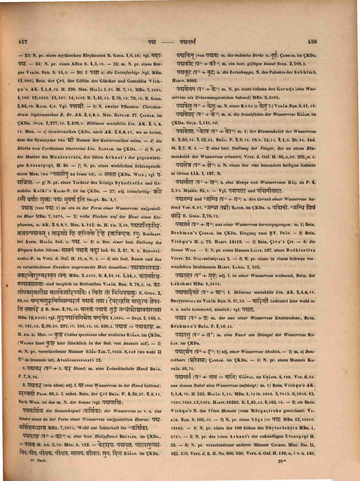
padma 1〉 m. Spr. 2591. LA. (II) 91,15. — 3〉 Mal —, Fleck von best. Gestalt: masāragalvarkanibhaiścitraiḥ padmairalaṃkṛtaḥ (mṛgaḥ) R. 3,48,12. — 9〉 personificirt R. 7,15,16. R. 7,15,34 — 23〉 R. 7,31,36. — Vgl. mahā˚.
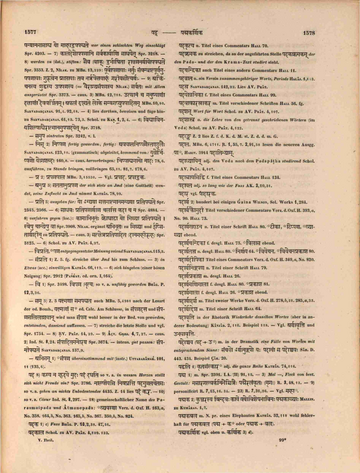
Böhtlingk 1879 Adjektiv · Substantiv Maskulin · Substantiv Neutrum
Originaltext · Deutsch · Adjektiv · Substantiv Maskulin · Substantiv Neutrum
padma — 1〉 m. n. — a〉 die am Abend sich schliessende Blüthe von Nelumbium speciosum. (*m. n.) Am Ende eines adj. Comp. f. ā — b〉 (*n.) die Form —, die Figur einer Wasserrose. Die Tāntrika theilen den menschlichen Oberkörper in 6 Padma oder Cakra. — c〉 (*m. n.) ein Mal —, Fleck von best. Gestalt. — d〉 (*m. n.) ein best. Theil einer Säule. — e〉 (*n.) eine best. Tempelform. — f〉 (*m. n.) ein in der Gestalt einer Wasserrose aufgestelltes Heer. — g〉 (*m.) eine best. Stellung des Körpers beim Sitzen (bei religiösen Vertiefungen). v. l. padmaka — h〉 (*n.) quidam coeundi modus. — i〉 (*n.) einer der 9 Schatze Kuberaʼs. Auch personificirt. — k〉 (n.) einer der 8 Schätze, die zur Zauberkunst Padminī in Beziehung stehen. — l〉 (*m.) eine best. hohe Zahl (1000 Billionen) Auch wohl 1000 Millionen. wie abja — m〉 (*n.) eine best. Constellation. — n〉 (*m. n.) eine best. kalte Hölle (buddh.). — o〉 (*m. n.) ein best. wohlriechender Stoff. v. l. padmaka — p〉 *die Wurzel von Nelumbium speciosum. — q〉 eine Art Bdellion BHĀVAPR. 1,186. — r〉 *Blei. n. RĀJAN. 13,25. — 2〉 m. — a〉 *eine best. Pflanze. — b〉 eine Schlangenart. — c〉 *Elephant. — d〉 Bein. Rāmaʼs Sohnes des Daśaratha. — e〉 N. pr. — α〉 zweier Schlangendämone. — β〉 eines Wesens im Gefolge Skandaʼs. — γ〉 *eines der Weissen Bala bei den Jaina. — δ〉 *des 9ten Cakravartin in Bhārata bei den Jaina. — ε〉 verschiedener Männer. — ζ〉 eines mythischen Elephanten. — η〉 eines Affen. — ϑ〉 eines Berge. — 3〉 f. ā — a〉 Bein. der Göttinnen Śrī und *Manasā. — b〉 eine best. Pflanze. Nach den Lexicographen Clerodendrum siphonanthus und Hibiscus mutabilis. — c〉 *Gewürznelken. — d〉 *die Blüthe von Carthamus tinctorius. — e〉 N. pr. — α〉 *eines weiblichen Schlangendämons. — β〉 einer Tochter des Fürsten Bṛhadratha. — γ〉 *der Mutter des Arhant Munisuvrata. — 4〉 Adj. lotusfarbig.
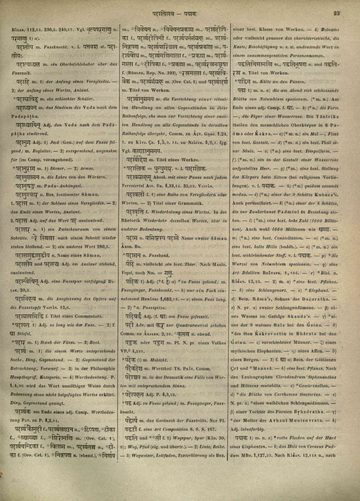
Apte 1890 Adjektiv · Substantiv Maskulin · Substantiv Neutrum
Originaltext · Englisch · Adjektiv · Substantiv Maskulin · Substantiv Neutrum
padma a. [pad-man] Lotus-hued. — dmaṃ 1 A lotus (m. also in this sense); padmapatrasthitaṃ toyaṃ dhatte muktāphalaśriyaṃ. 2 A lotus-like ornament. 3 The form or figure of a lotus. 4 The root of a lotus. 5 The coloured marks on the trunk and face of an elephant. 6 An army arrayed in the form of a lotus. 7 A particular high number (one thousand billions). 8 Lead. 9 N. given by the Tāntrikas to the six divisions of the upper part of the body called Cakras. 10 A mark or mole on the human body. 11 A spot. 12 N. of a particular part of a column. — dmaḥ 1 A kind of temple. 2 An elephant. 3 A species of serpent. 4 An epithet of Rāma. 5 One of the nine treasures of Kubera, see navanidhi. 6 A kind of coitus or mode of sexual enjoyment. — dmā 1 N. of Lakṣmī, the goddess of fortune, and wife of Viṣṇu; (taṃ) padmā ([Page 0664-c]) padmātapatreṇabheje sāmrājyadīkṣitaṃ R. 4. 5. 2 Cloves. Comp. — akṣa a. lotuseyed. — (kṣaḥ) an epithet of Viṣṇu or the sun. — (kṣaṃ) the seed of a lotus. — aṃtaraṃ -raḥ a lotus-leaf. — ākaraḥ 1 a large tank or pond abounding in lotuses. 2 a pond or pool of water in general. 3 a lotus-pool. 4 an assemblage of lotuses; Bh. 2. 73. — ālayaḥ an epithet of Brahman, the creator. — (yā) 1 an epithet of Lakṣmī. 2 cloves. — āsanaṃ 1 a lotus-seat; Ku. 7. 86. 2 a particular posture in religious meditation; ūrumūle vāmapādaṃ punastu dakṣiṇaṃ padaṃ . vāmorau sthāpayitvā tu padmāsanamiti smṛtaṃ .. — (naḥ) 1 an epithet of Brahman, the creator. 2 of Śiva. 3 of the, sun. — āhvaṃ cloves. — udbhavaḥ an epithet of Brahman. — kara, -hasta a. holding a lotus. — (raḥ, -staḥ) 1 an epithet of Viṣṇu. 2 a lotus-like hand. 3 N. of the sun. — (rā, -stā) N. of Lakṣmī. — karṇikā 1 the pericarp of a lotus. 2 the central part of an army arrayed in the form of a lotus. — kalikā a lotus-bud, an unblown lotus. — kāṣṭhaṃ a fragrant wood used in medicine. — keśaraḥ -raṃ the filament of a lotus. — kośaḥ, -koṣaḥ 1 the calyx of a lotus. 2 a position of the fingers resembling the calyx of a lotus. — khaṃḍaṃ, -ṣaṃḍaṃ a multitude of lotuses. — gaṃdha, gaṃdhi a. lotus-scented, or as fragrant as or smelling like a lotus. ( — dhaṃ, -gaṃdhi n.) = padmakāṣṭha q. v. — garbhaḥ 1 an epithet of Brahman. 2 of Viṣṇu. 3 of Śiva. 4 the sun. 5 the inside or middle of a lotus. — guṇā, -gṛhā 1 an epithet of Lakṣmī, the goddess of wealth. 2 cloves. — jaḥ, -jāta, -bhavaḥ, -bhūḥ, -yoniḥ, saṃbhavaḥ epithets of Brahman, the lotusborn god. — taṃtuḥ the fibrous stalk of a lotus. — nābhaḥ, -bhiḥ an epithet of Viṣṇu. — nālaṃ a lotus-stalk. — nidhiḥ a treasure of the value of a Padma. — pāṇiḥ 1 an epithet of Brahman. 2 N. of Buddha. 3 N. of the sun. 4 of Viṣṇu. — puṣpaḥ the Karṇikāra plant. — baṃdhaḥ a kind of artificial composition in which the words are arranged in the form of a lotus-flower; see K. P. 9 ad loc. — baṃdhuḥ 1 the sun. 2 a bee. — bījaṃ the seed of a lotus. — bhāsaḥ an epithet of Śiva. — mālinī the goddess ([Page 0665-a]) of wealth. — rāgaḥ, -gaṃ a ruby; R. 13. 53; R. 17. 23; Ku. 3. 53. — rūpā an epithet of the goddess of wealth. — rekhā a figure on the palm of the hand (of the form of a lotus-flower) which indicates the acquisition of great wealth. — lāṃchanaḥ 1 an epithet of Brahman. 2 Kubera. 3 the sun. 4 a king. — (nā) 1 an epithet of Lakṣmī, the goddess of wealth. 2 or of Sarasvatī, the goddess of learning. 3 N. of Tārā. — vāsā an epithet of Lakṣmī. — samāsanaḥ an epithet of Brahman. — snuṣā 1 an epithet of Gaṅgā. 2 of Lakṣmī. 3 of Durgā. — hāsaḥ an epithet of Viṣṇu.
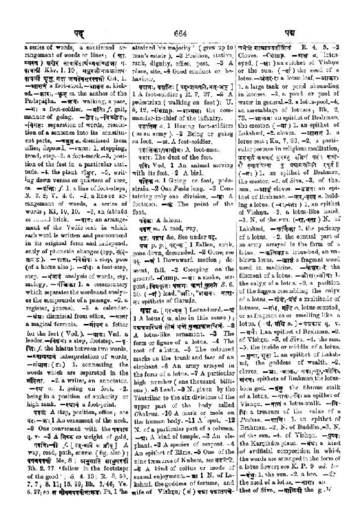
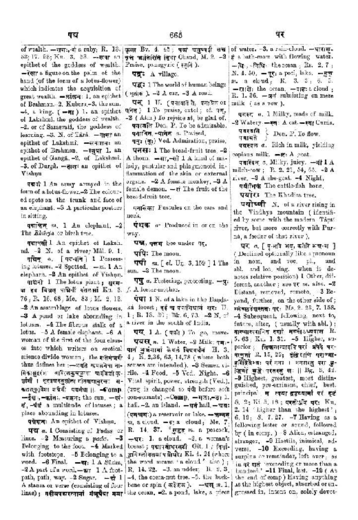
Cappeller 1887 Substantiv Maskulin · Worttyp nicht bestimmt
Originaltext · Deutsch · Substantiv Maskulin
padma m. Taglotusblüte, Wasserrose; n. eine best. hohe Zahl (1000 Billionen); m. männl. Name.
Originaltext · Deutsch · Worttyp nicht bestimmt
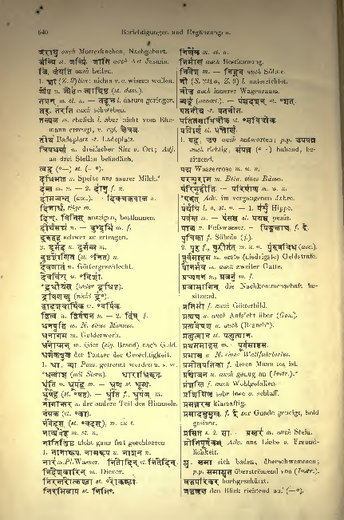
padma Wasserrose m. u. n.
Burnouf 1866 Substantiv Maskulin · Substantiv Neutrum
Originaltext · Französisch · Substantiv Maskulin · Substantiv Neutrum
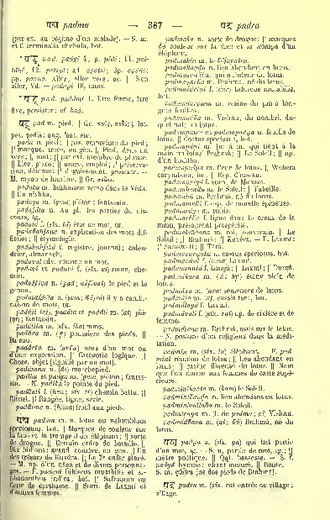
padma padma m. n. lotus ou nelumbium speciosum, bot. Marques de couleur sur la face et la trompe d'un éléphant; sorte de drogue. Certain ordre de bataille. Dix billions; grand nombre, en gén. Un des trésors de Kuvera. Le 7ᵉ enfer glacé. — M. np. d'un nāga et de divers parsonnages. — F. padmā hibiscus mutabilis et siphonanthus indica, bot. Safranum ou fleur de carthame. Surn. de Lakṣmī et d'autres femmes. [Page387-2] padmaka n. sorte de drogue; marques de couleur sur la face et la trompe d'un élephant. padmakin m. le bhojapatra. padmakhaṇḍa n. lieu abondant en lotus. padmagandhi a. qui a l'odeur du lotus. padmagarbha m. Brahma, né du lotus. padmacāriṇī f. (car) hibiscus mutabilis, bot. padmadarśana m. résine du pin à longues feuilles. padmanābha m. Viṣṇu, du nombril duquel naît un lotus. padnapatra et padmaparṇa n. feuille de lotus. Costus speciosus, bot. padmapāṇi m. [m à m. qui tient à la main un lotus] Brahmā; Le Soleil; np. d'un buddha. padmapuṣpa m. fleur de lotus. Webera corymbosa, bot. Esp. d'oiseau. padmapriyā f. surn. de Manasā. padmabandhu m. le Soleil; l'abeille. padmabhū m. Brahmā, né du lotus. padmamukhī f. esp. de morelle épineuse. padmarāga m. rubis. padmarekhā f. ligne dans de creux de la main, présageant prospérité. padmalāñchana m. roi, souverain. Le Soleil; Brahmā; Kuvera. — F. Lakṣmī; Sarasvatī; Tārā. padmavarṇaka n. costus speciosus, bot. padmavāsā f. (vāsa) Lakṣmī. padmasnuṣā f. Gaṅgā; Lakṣmī; Durgā. padmākara m. (ā; kṛ) étang plein de lotus. padmākṣa m. (akṣa) semences de lotus. padmāṭa m. (aṭ) cassia tora, bot. padmālayā f. Lakṣmī. padmāvatī f. (sfx. vat) np. de rivière et de femme. padmāsana m. Brahmā, assis sur le lotus. — N. posture d'un religieux dans la méditation. padmin m. (sfx. in) éléphant. — F. padminī réunion de lotus; lieu abondant en lotus; racine fibreuse du lotus. Nom que l'on donne aux femmes de caste supérieure. padminīkānta m. (kam) le Soleil. padminīkhaṇḍa n. lieu abondant en lotus. padminīvallabha m. le Soleil. padmeśaya m. (l. de padma; śī) Viṣṇu. padmodbhava m. (ut; bhū) Brahmā, né du lotus.
Quelltextfundstellen (57)
AsS1 2 Fundstellen
Ardha Baddha Padma Paścimottānāsana 1 Fundstelle
Direkt belegt
-
AsS1 ArdhaBaddhaPadmaPashchimottanasana Segment 3
DYS 7 Fundstellen
GoS 5 Fundstellen
GoS 12–15: Maßvolles Essen und stabiler Sitz 2 Fundstellen
Direkt belegt
HP 11 Fundstellen
HP 1.44-1.49: Padmāsana 4 Fundstellen
Direkt belegt
SiSa 31 Fundstellen
Weitere 14 Quelltextseiten
SiSa 5.48-5.71: Innere Meditation 3 Fundstellen
Direkt belegt
SiSa 5.132-5.143: Innere Vārāṇasī 3 Fundstellen
Direkt belegt
-
SiSa 5.134 Segment 16
-
SiSa 5.135 Segment 5
-
SiSa 5.140 Segment 5
SiSa 5.144-5.155: Ājñā und Khecarī 5 Fundstellen
Direkt belegt
-
SiSa 5.144 Segment 2
-
SiSa 5.145 Segment 6
-
SiSa 5.150 Segment 6
-
SiSa 5.151 Segment 6
-
SiSa 5.152 Segment 5
VBT 1 Fundstelle
Mit AYI Free weitermachen
Bildquelle: AYI Archiv.