

bhūta भूत – geworden; seiend; bestehend aus
Adjektiv · Substantiv Feminin · Substantiv Maskulin · Substantiv Neutrum · Worttyp nicht bestimmt
Wörterbuchquellen
AYI Wörterbuch Adjektiv · Substantiv Neutrum
Adjektiv
geworden; seiend; bestehend aus
Substantiv Neutrum
Wesen; Lebewesen; Element; grobstoffliches Element
Herkunft
Cappeller 1891 Adjektiv
Originaltext · Englisch · Adjektiv
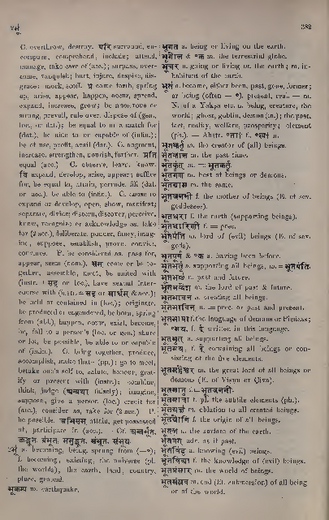
bhūtá ·a. become, either been, past, gone, former; or being (often --°), present, real. -- m. N. of a Yakṣa etc. n. being, creature, the world; ghost, goblin, demon (m.); the past, fact, reality, welfare, prosperity; element (ph.). -- Abstr. °tāÅ f., °tvaÅ n.
Monier-Williams 1872 Adjektiv
Originaltext · Englisch · Adjektiv
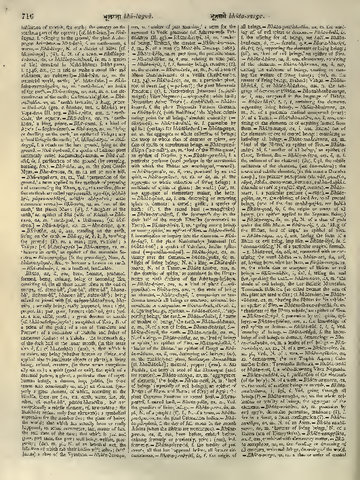
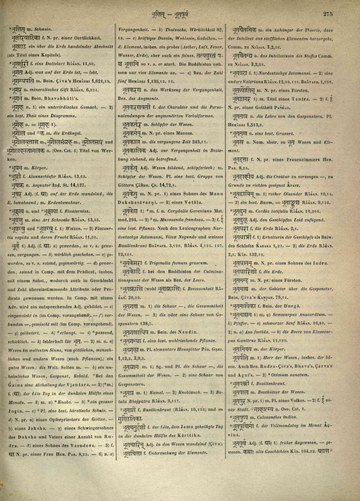
Bhūta, as, ā, am, been, become, produced, formed, being, existing, being or becoming like, consisting of, (in all these senses often at the end of comps., cf. ātma-bh˚, jīva-bh˚, citra-bh˚, bhava- bh˚, ittham-bh˚, bhasma-bh˚, śaktu-bh˚); being mixed or joined with [cf. māṃsa-bhūtodana, bhā- vita]; actually being, really happened, true; right, proper, fit; past, gone, former; obtained, got; (as), m. a son, child, youth; a great devotee or ascetic [cf. bhūtendriya-jayin]; an epithet of Śiva; N. of a priest of the gods; of a son of Vasu-deva and Pauravī; of a son-in-law of Dakṣa and father of numerous Rudras; of a Yakṣa; the fourteenth day of the dark half of the lunar month, (in this sense also ā, f.; cf. bhuteṣṭā); (am), n. that which is or exists, any being (whether human or divine, and applied also to inanimate objects or plants), a living being, animal, creature, (in these senses exception- ally as, m.); a spirit (good or evil), the spirit of a deceased person, a ghost, a particular class of super- human beings, a demon, imp, goblin, (in these senses also occasionally as, m.); an element, (pro- perly a gross element, of which, according to the Hindūs, there are five, viz. earth, water, fire, air, ether, cf. mahā-bh˚, pāñca-bhautika; but also exceptionally a subtile element, cf. tan-mātra; the Buddhists reckon only four elements); a symbolical expression for the number five; the place of being, the world; that which has actually been or really happened, an actual occurrence, fact, matter of fact, the real state of the case; that which is past and gone, past time, the past; well-being, welfare, pros- perity; (ās), m. pl., N. of an heretical sect, the followers of which rub their bodies with ashes; (with Jainas) a class of the Vyantaras.
Petersburger 1855 Adjektiv · Substantiv Maskulin · Substantiv Neutrum · Worttyp nicht bestimmt
Originaltext · Deutsch · Adjektiv · Substantiv Maskulin · Substantiv Neutrum
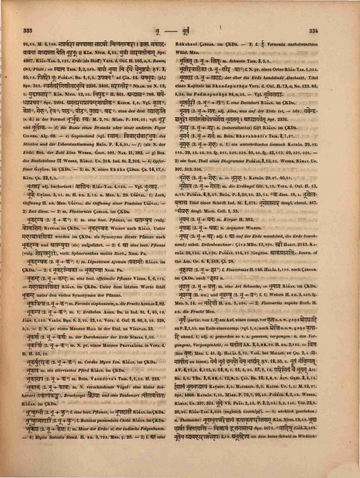
bhūtá (partic. von 1. bhū) am Anf. eines comp. vor kṛta u. s. w. gaṇa śreṇyādi zu P. 2,1,59. am Ende eines comp. (vgl. 1,c.) nach śroṇi u. s. w. gaṇa kṛtādi ebend. 1〉 adj. a〉 geworden so v. a. gewesen, vergangen; n. das Vergangene, Vergangenheit; = atīta AK. 3,4,14,80. H. an. 2,183. = vitta (lies vṛtta) MED. t. 41. fg. HALĀY. 5,73. VAIJ._bei_MALLIN._zu_ŚIŚ. 2,4 (samātīta zu lesen). yenà bhū̱taṃ ja̱nayo̱ yena̱ bhavyàm ṚV. 10,55,2. bhū̱taṃ bhàvi̱ṣyat AV. 4,11,2. AV. 6,115,2. AV. 10,8,1. AV. 11,4,20. AV. 17,1,19. parimitaṃ vai bhūtam AIT. BR. 4,6. TBR. 3,8,17,3. TBR. 3,12,8,3. ŚAT. BR. 10,4,1,9. ĀŚV. GṚHY. 2,4,14. īśānaṃ bhūtabhavyasya KAṬHOP. 4,5. MAITRYUP. 6,5. KAUṢ. UP. 1,5. M. 12,97. Spr. 4668. KATHĀS. 1,24. MĀRK. P. 79,7. MĀRK. P. 99,48. PAÑCAR. 4,3,49. WEBER, RĀMAT. UP. 337. WEBER, RĀMAT. UP. 351. bhūte VS. PRĀT. 2,45. P. 3,2,84. P. 3,2,140. VOP. 25,1. VOP. 26,86. RĀJA-TAR. 4,636 (zugleich Geschöpf). — b〉 wirklich geschehen; n. Thatsache: bhūtābhūtaparijñānaṃ kṛtākṛtaparīkṣaṇam KĀM. NĪTIS. 13,48. bhūtā hyarthā vinaśyanti — viklavaṃ dūtamāsādya Spr. 4671. ˚vādin YĀJÑ. 3,285. bhūtena vyavahārānnayennṛpaḥ YĀJÑ. 2,19. abhūtadoṣa an dem keine Schuld in Wirklichkeit haftet, schuldlos Spr. 2196. bhūta = ṛta AK. = satya H. an. MED. Vgl. bhūtārtha. — c〉 geworden, seiend, in comp. mit seinem Prädicate, insbes. mit einem subst., wodurch mit ihrem subst. in Geschlecht und Zahl congruirende Attribute und Prädicate gewonnen werden: tṛtīya˚ ṚV. PRĀT. 4,2. dū˚ ṚV. PRĀT. 5,24. sāḍbhūta AV. PRĀT. 2,82. unmatta˚ Spr. 339. aṃśa˚ BHĀG. P. 4,1,4. avayava˚ ŚVETĀŚV. UP. 4,10. ātma˚ M. 7,217. kāvyātma˚ SĀH. D. 3,10. ārakṣa˚ M. 3,204. tāmāśramalalāmabhūtāṃ śakuntalām ŚĀK. 25,4. sarvasyāśrayabhūtāḥ Spr. 3215. kāṣṭha˚ R. 1,45,3. kṛmi˚ M. 10,91. ketu˚ N. 12,28. kṣaṇabhūteva nau rātriḥ saṃvṛtteyam R. 1,65,3. R. 2,52,52. kṣetra˚ M. 9,33. jīva˚ BHAG. 7,5. BHAG. 15,7. R. 1,4,23. tamo˚ M. 1,5. M. 12,115. Spr. 3118. dāsa˚ R. 2,101,9. nyāsa˚ R. 1,66,13. R. 3,51,18. MBH. 2,774. paśu˚ R. 1,62,11. punarukta˚ RAGH. 5,34. vīja˚ M. 9,33. brahma˚ M. 5,93. BHAG. 5,24. BHAG. 18,54. MBH. 1,14. R. 1,34,13. bhasma˚ R. 44,42. R. 3,35,54. bhāra˚ P. 5,1,50, Sch. bhāṣya˚ ŚIŚ. 2,24. bhūmi˚ der Boden seiend (nicht auf der Erde befindlich) Spr. 5163. bhṛtya˚ PAÑCAT. 87,5. mūla˚ Verz. d. Oxf. H. 104,b,22. ratna˚ N. 2,22. rāma˚ R. 3,43,32. R. 6,73,25. lakṣya˚ YĀJÑ. 3,248. vāyu˚ M. 2,82. MBH. 3,12810. vṛtra˚ MBH. 14,308. śarīra˚ MBH. 13,526. śeṣa˚ MADHUS._in_Ind. St. 1,20,19. saṃkleda˚ YĀJÑ. 3,75. saṃjñā˚ VOP. 6,12. suhṛdbhūtā PAÑCAT. 81,5. sthāni˚ P. 1,1,57, Sch. hṛdayotsavabhūtā (kathā) MĀRK. P. 23. MĀRK. P. 113. Mit advv. verbunden: itthaṃ˚ (s. auch bes.) KUMĀRAS. 6,26 (getrennt gedr.). evaṃ˚ (s. auch bes.) Verz. d. Oxf. H. 229,b,9. SĀH. D. 27,8. tathā˚ (s. auch bes.) SĀH. D. 9. Spr. 2028. śvobhūte sa (svayaṃvaraḥ) bhaviṣyati so v. a. morgen N. 18,23. Dieses ist das bhūta = sama oder upamāne der Lexicographen (AK. 3,4,14,80. H. 1462. H. an. MED. VAIJ. a. a. O.), und in der That lässt sich bhūta in dieser Verbindung häufig durch gleich wiedergeben. Vgl. citra˚, para˚, pātra˚ (u. pātra 4.), pūrva˚, prāṇa˚, bhava˚. — d〉 eingeweicht in (vgl. das caus. von 1. bhū): gośakṛdbhūtānāṃ vā yavānām SUŚR. 2,72,15. — e〉 = prāpta erlangt AK. 3,2,54. H. 1490. H. an. MED. — f〉 passend, schicklich; = yukta, ucita AK. H. an. MED. Statt samānīte cire VAIJ. a. a. O. ist wohl samātītocite zu lesen. — g〉 fehlerhaft für bhṛta KĀM. NĪTIS. 15,28. KĀM. NĪTIS. 18,3. KĀM. NĪTIS. 18,4. KĀM. NĪTIS. 18,5. KĀM. NĪTIS. 18,15 (vgl. KĀM. NĪTIS. 17). — 2〉 n. kräftiges Dasein, Wohlsein, Gedeihen: devā asurāṇāṃ bhūtecchadbhireva bhūtaṃ chādayitvāthainānatyāyan AIT. BR. 6,36. bhū̱tamàsi bhū̱te mā̀ dhāḥ TS. 3,2,8,5. VS. 18,14. Vgl. durbhūta. — 3〉 m. (dieses nur ausnahmsweise) und n. gaṇa ardharcādi zu P. 2,4,31. SIDDH. K. 251,a,1 v. u. Gewordenes so v. a. Wesen im weitesten Sinne, von göttlichen, menschlichen und anderen Wesen gebraucht; Welt; = prāṇin, jantu, sattva AK. H. an. MED. VAIJ. a. a. O. HALĀY. 5,82. ye bhū̱tānì sa̱makṛ̀ṇvanni̱mānì ṚV. 10,82,4. ṚV. 10,174,5. bhū̱tānā̱ṃ garbha̱mā dàdhe ṚV. 3,27,9. AV. 11,6,21. sūryò bhū̱tasyaika̱ṃ cakṣùḥ AV. 13,1,45. bhū̱tasyādhyàkṣāḥ AV. 1,31,1. ni̱ryācànbhū̱tātpurùṣaṃ ya̱māyà aus der Welt AV. 6,133,3. idaṃ sarvaṃ bhūtaṃ yadidaṃ kiṃ ca CHĀND. UP. 3,12,1. bhūtasya und bhūtānāṃ patiḥ AV. 3,10,9. AV. 10,1,22. VS. 2,2. VS. 20,32. ŚAT. BR. 6,1,3,7. TS. 2,6,6,3. ŚĀṄKH. ŚR. 4,20,1. PĀR. GṚHY. 2,9. ṣaḍjā̱tā bhū̱tā prathama̱jā ṛ̱tasyà AV. 8,9,16. AV. 8,9,21. viśvā̀ bhū̱tāva̱cākàśat AV. 13,2,12. AV. 18,4,7. AV. 19,22,1. prajā vai bhūtāni ŚAT. BR. 2,4,2,1. ŚAT. BR. 3,5,2,13. ŚAT. BR. 11,3,3,3. ŚAT. BR. 11,5,4,4. ŚAT. BR. 13,7,1,1. bhū̱tāyà tvā̱ nārā̀taye einem Wesen (guter Art), nicht einem Unholde VS. 1,11. VS. 5,12. VS. 32,11. AIT. BR. 3,15. annaṃ hi bhūtānāṃ śreṣṭham TAITT. UP. 2,2. sarveṣāṃ ca devānāṃ sarveṣāṃ ca bhūtānām KAUṢ. UP. 4,20. MAITRYUP. 6,32. sarvabhūtāni nirmame M. 1,16. M. 1,42. M. 7,5. rakṣandharmeṇa bhūtāni rājā vadhyāṃśca ghātayan M. 8,306. yā niśā sarvabhūtānām BHAG. 2,69. BHAG. 7,26. yaccāpi sarvabhūtānāṃ bījaṃ tadaham BHAG. 10,39. sarvabhūtānāṃ bhāve HIḌ. 4,32. MBH. 3,1036. vāsudevaśca bhūtānām (śreṣṭhaḥ) MBH. 7,197. teṣveva yātrā lokānāṃ bhūtānāmiva vāsave MBH. 13,2089. R. 1,1,3. MEGH. 99. Spr. 1895. fg. Spr. 2055. Spr. 2173. fg. Spr. 3120. Spr. 3628. fg. Spr. 4669. fg. Spr. 5419. SĀṂKHYAK. 69. RĀJA-TAR. 4,636 (zugleich Vergangenheit). sarvabhūtānukampaka M. 6,8. bhūtānukampā RAGH. 2,48. ˚dayā PAÑCAR. 4,2,18. ˚viśeṣasaṃghāḥ BHAG. 11,15. ahiṃsakāni M. 5,45. khecarāṇi SUND. 2,7. tatra sa śuśrāva śabdaṃ vai madhye bhūtasya kasyacit N. 14,2. kiṃ bhūtamadhikaṃ tataḥ Spr. 2385. mahadbhūtam ŚAT. BR. 14,5,4,10. ŚAT. BR. 14,5,4,12. TBR. 3,7,10,1. KĀTY. ŚR. 2,1,18. KĀTY. ŚR. 2,1,19. ĀŚV. GṚHY. 3,9,6. MAITRYUP. 5,32. MBH. 1,1290. MBH. 6,3014. fg. HARIV. 8153. bhūtaṃ mahatkairātasaṃsthitam ARJ. 3,20. caturvidhānāṃ (aṇḍaja, jarāyuja, svedaja, udbhijja) bhūtānām MBH. 2,1431. MBH. 3,12809. HALĀY. 5,73. bhūtānāṃ prāṇinaḥ śreṣṭhāḥ M. 1,96. sarvāṇi bhūtāni sthā- varāṇi carāṇi ca M. 7,15. MBH. 12,8523. triṣu lokeṣu yadbhūtaṃ kiṃcitsthāvarajaṅgamam SUND. 1,25. SUND. 3,13. bhūtaṃ carācaram BHAG. 10,39. sthāvarāṇi ca bhūtāni Pflanzen M. 11,240. sthāvarāṇāṃ ca bhūtānāṃ jātayaḥ ṣaṭprakīrtitāḥ . vṛkṣagulmalatāvallyastvaksārāstṛṇajātayaḥ .. MBH. 13,2992. masc. Spr. 2056. sthāvarā jaṅgamāścaiva mahābhūtāḥ MBH. 2,466. bhūtānāṃ patiḥ unter den Opferpriestern der Götter Ind. St. 3,467. — 4〉 m.n. ein unheimliches Wesen, Gespenst, Kobold AK. 1,1,1,6. H. an. MED. HALĀY. 1,87. HALĀY. 5,55. HALĀY. 5,73. ye bhūtāḥ pracaranti divānaktaṃ balimicchantaḥ ĀŚV. GṚHY. Einschieb. STENZ. 46. STENZ. 47. ˚gṛhyāṇi PĀR. GṚHY. 1,12. PĀR. GṚHY. 2,9. SUŚR. 1,114,9. SUŚR. 1,117,9. SUŚR. 1,181,20. HARIV. 11554. ṛṣayaḥ pitaro devā bhūtānyatithayaḥ M. 3,80. bhūtāni balikarmaṇā (arcayet) M. 81. divācarebhyo bhūtebhyo naktaṃcāribhya eva ca M. 90. VARĀH. BṚH. S. 46. VARĀH. BṚH. S. 90. KATHĀS. 5,25. KATHĀS. 47,46. VP. 41. VP. 150, N. 18. BHĀG. P. 3,14,22. MĀRK. P. 51,53. pretānbhūtagaṇāṃśca BHAG. 17,4. grahabhūtapretādīnām WEBER, RĀMAT. UP. 315. bhūtapretapiśācādyāḥ WEBER, RĀMAT. UP. 355. LALIT. ed. Calc. 313,11. bhūtavigrahāḥ Spr. 3154. bhūtopahatacitteva R. 2,58,30 (R. 2,58,34 GORR.). bhūtopasṛṣṭeva R. 2,60,1. paśupatirdivyairbhūtaiḥ samāvṛtaḥ MBH. 6,219. bhūtairvṛto rudra iva R. 6,35,3. parivṛto bhūtairdehavadbhirivāntakaḥ R. 6,36,6. bhūtapatiḥ sabhūtaḥ KUMĀRAS. 3,74. ˚vijñāna Verz. d. Oxf. H. 307,b,33. ˚pratiṣedha Verz. d. Oxf. H. 307,b,37. ˚vetālamatanibarhaṇa Verz. d. Oxf. H. 251,a,45. bhūtādisarvopadravanāśana Verz. d. B. H. No. 963. Bei den Jaina bilden die bhūtāḥ eine Klasse der Vyantara H. 91. — 5〉 n. Element, insbes. ein grobes (sthūla, mahant), also Erde, Wasser, Feuer, Luft, Aether, aber auch ein feines (s. tanmātra); = kṣmādi AK. 3,4,14,80. H. an. MED. HALĀY. 5,71. HALĀY. 5,73. VAIJ. a. a. O. pañca tanmātrā bhūtaśabdenocyante atha pañca mahābhūtāni bhūtaśabdenocyante MAITRYUP. 3,2. MAITRYUP. 6,28. M. 12,14. fgg. M. 12,20. fgg. M. 12,90. MBH. 1,252. MBH. 1,648. MBH. 1,3707. tatyajustaṃ mahābhāgaṃ pañca bhūtāni so v. a. er starb MBH. 3,16529. R. 6,82,35. pañcabhūtaparityaktaṃ śavam HARIV. 1142. samūho bhūtasaṃjñakaḥ MBH. 12,7483. MBH. 13,174. MBH. 14,475. MBH. 14,1119. fgg. SUŚR. 1,5,14. SĀṂKHYAK. 22. SĀṂKHYAK. 38. SĀṂKHYAK. 56. NĪLAK. 37. TATTVAS. 16. TATTVAS. 41. VEDĀNTAS. (Allah.) No. 76. WEBER, RĀMAT. UP. 335. MĀRK. P. 24,31. Verz. d. Oxf. H. 104,b,27. Verz. d. Oxf. H. 231,b,3. ˚jaya 5. bhūtendriyeṣu Verz. d. Oxf. H. 229,b,36. bhūteṣu sthūlasū kṣmeṣu Verz. d. Oxf. H. 229,b,37. mahānti M. 1,18. MBH. 12,8521. BHĀG. P. 3,26,24. ˚viveka Verz. d. Oxf. H. 222,a,25. Die Buddhisten nehmen nur vier Elemente an COLEBR. Misc. Ess. I, 392. Wegen der fünf Elemente Bez. der Zahl fünf Ind. St. 8,167. Vgl. pāñcabhautika. — 6〉 m. der 14te Tag in der dunklen Hälfte eines Monats TRIK. 1,1,107. f. ā dass. SKANDA-P. und TITHYĀDIT._im_ŚKDR. Vgl. bhūteṣṭā. — 7〉 m. Knabe (kumāra) MED. — 8〉 m. ein grosser Yogin (yogīndra) ŚABDAR._im_ŚKDR. Śiva WILSON nach ders. Aut.; vgl. bhūtendriyajayin. — 9〉 m. pl. N. einer häretischen Schule, deren Anhänger sich den Körper mit Asche einrieben, Hist. de la vie de HIOUEN-THSANG 224. Man hätte eine von bhūti Asche abgeleitete Form erwartet. — 10〉 m. N. pr. eines Opferpriesters der Götter Ind. St. 3,467. eines Sohnes des Vasudeva von der Pauravī VP. 439. BHĀG. P. 9,24,46. eines Schwiegersohnes des Dakṣa und Vaters einer Unzahl von Rudra BHĀG. P. 6,6,2. BHĀG. P. 6,6,17. N. pr. eines Yakṣa Verz. d. Oxf. H. 18,b,37. — Vgl. abhūtatadbhāva, abhūtarajas, bhauta, bhautika.
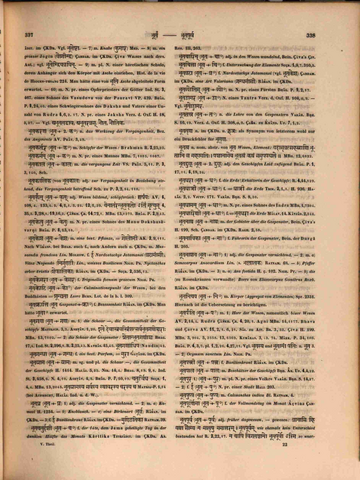
Originaltext · Deutsch · Worttyp nicht bestimmt
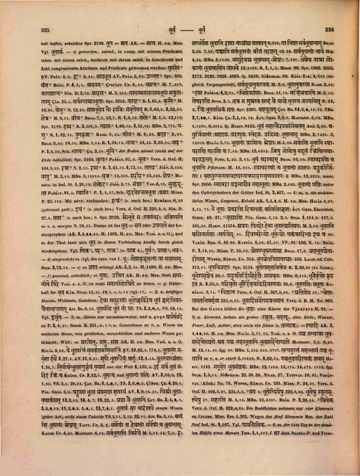
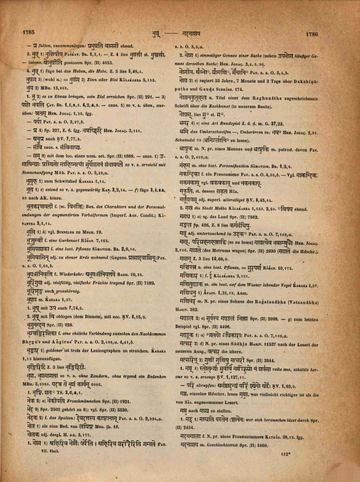
bhūta 1〉h〉 gemischt, verbunden mit: māṃsabhūtodana so v. a. Reisbrei mit Fleisch R. 2,52,83.

Originaltext · Deutsch · Worttyp nicht bestimmt
bhūta 1〉c〉 seiend so v. a. gegenwärtig KAṆ. 2,2,14. — f〉 füge AK. 3,4,14,80 nach AK. hinzu.
Böhtlingk 1879 Adjektiv · Substantiv Feminin · Substantiv Maskulin · Substantiv Neutrum
Originaltext · Deutsch · Adjektiv · Substantiv Feminin · Substantiv Maskulin · Substantiv Neutrum
bhūtá — 1〉 Adj. (f. ā) — a〉 geworden, so v. a. gewesen, vergangen. — b〉 wirklich geschehen. — c〉 geworden, so v. a. seiend, gegenwärtig. — d〉 geworden, seiend in Comp. mit den Prädicat, insbes. mit einem Subst., wodurch auch in Geschlecht und Zahl übereinstimmende Attribute oder Prädicat gewonnen werden. In Comp. mit einem Adv. wird ein entsprechendes Adj. gebildet. — e〉 eingeweicht in (im Comp. vorangehend). — f〉 verbunden —, gemischt mit (im Comp. vorangehend). — g〉 geläutert. — h〉 *erlangt. — i〉 *passend, schicklich. — k〉 fehlerhaft für bhṛta. — 2〉 m. n. — a〉 Wesen im weitesten Sinne, von göttlichen, menschlichen und andern Wesen (auch Pflanzen); ein gutes Wesen; die Welt. Selten m. — b〉 ein unheimliches Wesen, Gespenst, Kobold. *Bei den Jaina eine Abtheilung der Vyantara. — 3〉 (*m.) f. (ā) der 14te Tag in der dunkelen Hälfte eines Monats. — 4〉 m. — a〉 *Knabe. — b〉 *ein grosser Yogin. — c〉 *Pl. eine best. theoretische Schule. — d〉 N. pr. — α〉 eines Opferpriesters der Götter. — β〉 eines Yakṣa. — γ〉 eines Schwiegersohnes des Dakṣa und Vaters einer Anzahl von Rudra. — δ〉 eines Sohnes des Vasudeva. — 5〉 f. ā N. pr. einer Frau HEM. PAR. 8,25. — 6〉 n. — a〉 [Page4-275-b] Vergangenheit. — b〉 Thatsache, Wirklichkeit Chr. 82,18. — c〉 kräftiges Dasein, Wohlsein, Gedeihen. — d〉 Element, insbes. ein grobes (Aether, Luft, Feuer, Wasser, Erde), aber auch ein feines. tatyajustaṃ pañca bhūtāni so v. a. er starb. die Buddhisten nehmen nur vier Elemente an. — e〉 Bez. der Zahl fünf HEMĀDRI 1,135,15. 16.
Apte 1890 Adjektiv · Substantiv Maskulin · Substantiv Neutrum
Originaltext · Englisch · Adjektiv · Substantiv Maskulin · Substantiv Neutrum
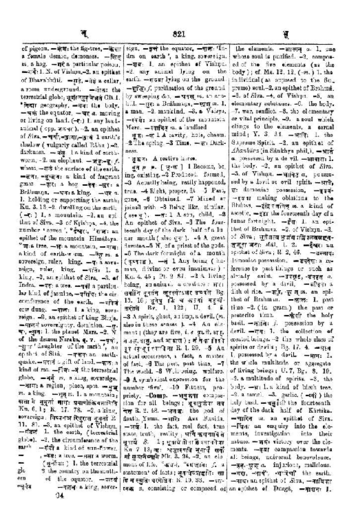
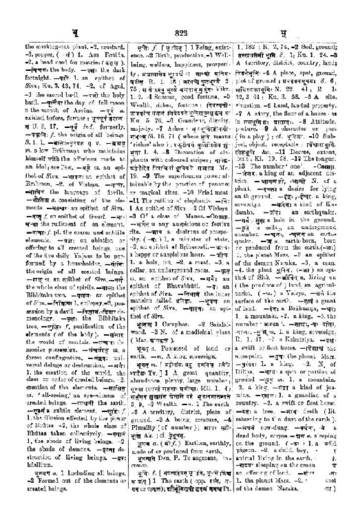
bhūta p. p. [bhū-kta] 1 Become, being, existing. 2 Produced, formed. 3 Actually being, really happened, true. 4 Right, proper, fit. 5 Past, gone. 6 Obtained. 7 Mixed or joined with. 8 Being like, similar. (see bhū). — taḥ 1 A son, child. 2 An epithet of Śiva. 3 The fourteenth day of the dark half of a lunar month (also bhūtā). 4 A great devotee. 5 N. of a priest of the gods. 6 The dark fortnight of a month (kṛṣṇapakṣa). — taṃ 1 Any being (human, divine or even inanimate). Ku. 4. 45; Pt. 2. 87. 2 A living being, an animal, a creature; kṣaraḥ sarvāṇi bhūtāni kūṭastho'kṣara ucyate Bg. 15. 16; bhūteṣu kiṃ ca karuṇāṃ bahulīkaroti Bv. 1. 122; U. 4. 6. 3 A spirit, ghost, an imp, a devil, (m. also in these senses). 4 An element; (they are five, i. e. pṛthvī, ap tejas, vāyu, and ākāśa); taṃ vedhā vidave nūnaṃ mahābhūtasamādhinā R. 1. 29. 5 An actual occurrence, a fact, a matter of fact. 6 The past, past time. 7 The world. 8 Well-being, welfare. 9 A symbolical expression for the number ‘five’. 10 Fitness, propriety. Comp. — anukaṃpā compassion for all beings; bhūtānukaṃpā tava cet R. 2. 48. — aṃtakaḥ the god of death, Yama. — ariḥ Asa Fœtida. — arthaḥ 1 the fact, real fact, true state, truth, reality; ārye kathayāmi te bhūtārthaṃ Ś. 1; bhūtārthaśobhā hriyamāṇanetrā Ku. 7. 13; kaḥ śraddhāsyati bhūtāryaṃ sarvo māṃ tulāyiṣyati Mk. 3. 24. 2 an ele ment of life. ˚kathanaṃ, ˚vyāhṛtiḥ f. a statement of facts; bhūtārthavyāhṛtiḥ sā hi na stutiḥ parameṣṭhinaḥ R. 10. 33. — ātmaka a. consisting or composed of ([Page 0821-c]) the elements. — ātman a. 1 one whose soul is purified. 2 composed of the five elements (as the body); cf. Ms. 12. 12. ( — m.) 1 the individual (as opposed to the Supreme) soul. 2 an epithet of Brahmā. 3 of Śiva. 4 of Viṣṇu. 5 an elementary substance. 6 the body. 7 war, conflict. 8 the elementary or vital principle. 9 a soul which clings to the elements, a carnal mind; Y. 3. 34. — ādiḥ 1 the Supreme Spirit. 2 an epithet of Ahaṃkāra (in Sāṃkhya phil.). — ārta a. possessed by a de vil. — āvāsaḥ 1 the body. 2 an epithet of Śiva. 3 of Viṣṇu. — āviṣṭa a. possessed by a devil or evil spirit. — āve, śaḥ demoniac possession. — ijyaṃ, — ijyā making oblations to the Bhūtas. — iṃdriyajayin m. a kind of ascetic. — iṃṣṭā the fourteenth day of a lunar fortnight. — īśaḥ 1 an epithet of Brahman. 2 of Viṣṇu. 3 of Śiva; bhūteśasya bhujaṃga vallivalayasraṅnaddhajūṭā jaṭāḥ Māl. 1. 2. — īśvaraḥ an epithet of Śiva; R. 2. 46. — unmādaḥ demoniac possession. — upadeśaḥ a reference to past things or such as already exist. — upasṛṣṭa, -upahata a. possessed by a devil. — odanaḥ a dish of rice. — kartṛ, -kṛt m. an epithet of Brahman. — kālaḥ 1 past time. 2 (in gram.) the past or preterite time. — keśī the holy basil. — krāṃtiḥ f. possession by a devil. — gaṇaḥ 1 the collection of created beings. 2 the whole class of spirits or devils; Bg. 17. 4. — grasta 1 possessed by a devil. — grāmaḥ 1 the whole multitude or aggregate of living beings; U. 7, Bg. 8. 19. 2 a multitude of spirits. 3 the body. — ghnaḥ 1 a kind of birch tree. 2 a camel. 3 garlic. — (ghnī) the holy basil. — caturdaśī the fourteenth day of the dark half of Kārtika. — cārin m. an epithet of Śiva. — ciṃtā an enquiry into the elements, investigation into their nature. — jayaḥ victory over the elements. — dayā compassion towards all beings, universal benevolence. — druh, -dhruk a. injurious, malicious. — dharā, -dhātrī, -dhāriṇī the earth. — nāthaḥ an epithet of Śiva. — nāyikā an epithet of Durgā. — nāśanaḥ 1 ([Page 0822-a]) the marking-nut plant, 2 mustard. 3 pepper. — (naṃ) 1 Asa Fœtida. 2 a bead used for rosaries (rudrākṣa). — nicayaḥ the body. — pakṣaḥ the dark fortnight. — patiḥ 1 an epithet of Śiva; Ku. 3. 43, Ku. 3. 74. 2 of Agni. 3 the sacred basil. — patrī the holy basil. — pūrṇimā the day of full-moon n. the month of Āśvina. — pūrva a. existed before, former; bhūtapūrvakharālayaṃ U. 2. 17. — pūrvaṃ ind. formerly. — prakṛtiḥ f. the origin of all beings; Ś. 1. 1. — baliḥ = bhūtayajña q. v. — brahman m. a low Brāhmaṇa who maintains himself with the offerings made to an idol; see devala. — bhartṛ m. an epithet of Śiva. — bhāvanaḥ an epithet of Brahman. 2 of Viṣṇu. — bhāṣā, — bhāṣitaṃ the language of devils. — bhautika a. consisting of the elements. — maheśvaraḥ an epithet of Śiva. — mātṛ f. an epithet of Gaurī. — mātraṃ-trā the rudiment of an element. — mātrāḥ f. pl. the coarse and subtile elements. — yajñaḥ an oblation or offering to all created beings, one of the five daily Yajñas to be performed by a householder. — yoniḥ the origin of all created beings — rāj m. an epithet of Śiva. — varga the whole class of spirits. — vāsaḥ the Bibhītaka tree. — vāhanaḥ an epithet of Śiva. — vikriyā 1 epilepsy. 2 possession by a devil — vijñānaṃ. — vidyā demonology. — vṛkṣaḥ the Bibhītaka tree. — śuddhiḥ f. purification of the elements (of the body). — saṃsāraḥ the world of mortals. — saṃcāraḥ demoniac possession. — saṃcārin m. a forest conflagration. — saṃplavaḥ universal deluge or destruction. — sargaḥ 1 the creation of the world, the class or order of created beings. 2 creation of the elements. — sākṣin m. ‘all-seeing,’ an eye-witness of created beings. — sādhanī the earth. — sūkṣmaṃ a subtle element. — sṛṣṭiḥ f. 1 the illusion effected by the power of Bhūtas. 2 the whole class of Bhūtas taken collectively. — sthānaṃ 1 the abode of living beings. 2 the abode of demons. — hatyā destruction of living beings. — haraḥ bdellium.
Cappeller 1887 Worttyp nicht bestimmt
Originaltext · Deutsch · Worttyp nicht bestimmt
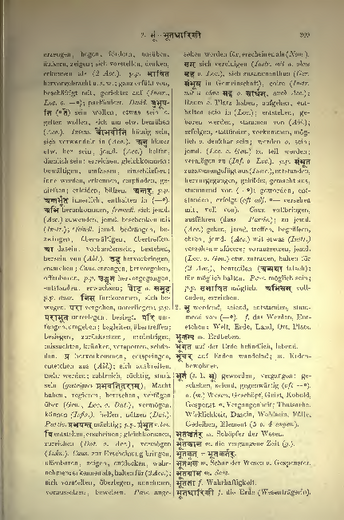
bhūta (s. 1. bhū) geworden, vergangen; geschehen, seiend, gegenwärtig (oft —˚) n. (m.) Wesen, Geschöpf, Geist, Kobold, Gespenst. n. Vergangenheit; Thatsache, Wirklichkeit, Dasein, Wohlsein, Fülle, Gedeihen, Element (5. o. 4 angen.).
Burnouf 1866 Adjektiv
Originaltext · Französisch · Adjektiv
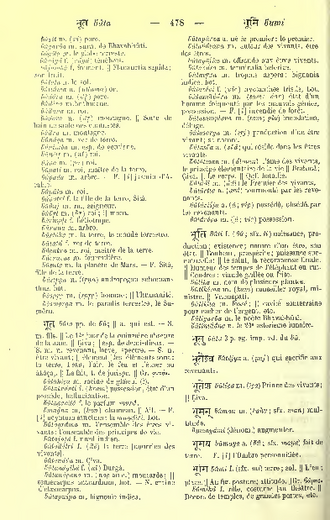
bhūta bhūta pp. de bhū; a. qui est. — S. m. fils. Le 14ᵉ jour de la quinzaine obscure de la lune. Śiva; esp. de demi-dieux. — S. m. n. revenant, larve, spectre. — S. n. être vivant; élément [les éléments sont: la terre, l'eau, l'air, le feu et l'éther ou ākāśa]. Le fait, t. de jurispr. Gr. φυτόν. bhūtakeśa m. racine de glaïeul (?). bhūtakrānti f. (kram) possession, état d'un possédé, hallucination. bhūtagandhā f. le parfum murā. bhūtaghna m. (han) chameau. Ail. — F. [ī] ocymum sanctum; la muṇḍīrī, bot. bhūtagrāma m. l'ensemble des êtres vivants; l'ensemble des principes de vie. bhūtajaṭā f. nard indien. bhūtadhātrī f. (dhe) la terre [nourrice des vivants]. bhūtanātha m. Śiva. bhūtanāyikā f. (nī) Durgā. bhūtanāśana m. (naś au c.) moutarde; semecarpus anacardium, bot. — N. graine d'elæocarpus. bhūtapuṣpa m. bignonia indica. [Page478-2] bhūtapūrva a. né le premier; le premier. bhūtabhāvana m. auteur des vivants, être des êtres. bhūtayajña m. offrande aux êtres vivants. bhūtavāsa m. terminalia belerica. bhūtavṛkṣa m. trophis aspera; bignonia indica, bot. bhūtaveśī f. (viś) nyctanthes tristis, bot. bhūtasañcāra m. (sam; car) état d'un homme fréquenté par les mauvais génies, possession. — F. [ī] incendie de forêt. bhūtasamplava m. (sam; plu) inondation, déluge. bhūtasarga m. (sṛj) production d'un être vivant; sa nature. bhūtastha a. (sthā) qui réside dans les êtres vivants. bhūtātman m. (ātman) l'âme des vivants, le principe élémentaire de la vie. Brahmā; Śiva. Le corps. Qqf. bataille. bhūtādi m. (ādi) le Premier des vivants. bhūtārtta a. (ard) tourmenté par les revenants. bhūtāviṣṭa a. (ā; viś) possédé, obsédé par les revenants. bhūtāveśa m. (ā; viś) possession.
Abgeleitete Wörter
Quelltextfundstellen (50)
DYS 3 Fundstellen
GoS 1 Fundstelle
HP 3 Fundstellen
HTK 3 Fundstellen
HTK 10.33*2–34*1: Bhūtaśuddhi: Reinigung der Elemente 3 Fundstellen
Direkt belegt
-
HTK 10.33*2 Segment 2
-
HTK 10.34 Segment 10
-
HTK 10.34*1 Segment 2
IVU 3 Fundstellen
MandUp 1 Fundstelle
PYS 5 Fundstellen
SiSa 16 Fundstellen
SiSa 1.51-1.64: Selbst als Licht 3 Fundstellen
Direkt belegt
SiSa 1.93-1.99: Karmische Verkörperung 4 Fundstellen
Direkt belegt
SiSa 3.61-3.67: Paricaya und Niṣpatti 2 Fundstellen
Direkt belegt
Weitere 3 Quelltextseiten
SS 6 Fundstellen
SVU 8 Fundstellen
SVU 4.11-4.16: Der verborgene Schöpfer 2 Fundstellen
Direkt belegt
VBT 1 Fundstelle
Mit AYI Free weitermachen
Bildquelle: AYI Archiv.