

sva स्व – own; belonging to oneself
adjective · pronoun · substantive masculine · substantive neuter · Word type unspecified
Dictionary sources
AYI dictionary adjective · pronoun · substantive neuter
adjective
own; belonging to oneself
pronoun
self; one's own
substantive neuter
property; possession
Cappeller 1891 Word type unspecified
Original text · English · Word type unspecified
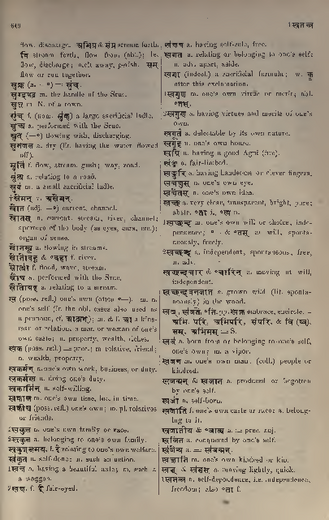
svá ·(poss. refl.) one's own (often °--). m. n. one's self (in the obl. cases also used as a pronoun, cf. ātman); m. & f. ā a kinsman or relation, a man or woman of one's own caste; n. property, wealth, riches.
Monier-Williams 1872 adjective · Word type unspecified
Original text · English · adjective
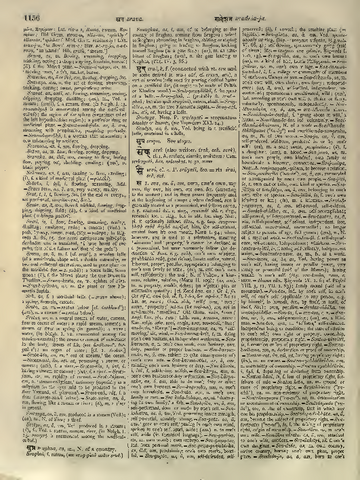
sva 1 . sva, as, ā, am, own, one's own, my own, thy own, his own, our own, &c. (according to the context; and in these senses frequently used at the beginning of comps.; when declined, sva is generally treated as a pronominal, and follows sarva, e. g. svasmai dat. c. sing., svasmāt abl. c. sing., svasmin loc. c. sing., but in abl. loc. sing. Nom. pl. it optionally follows śiva, e. g. taṃ svayam- bhūḥ svād āsyād asṛjat, him, the self-existent, created from his own mouth, Manu I. 94; when, however, sva is used as a substantive, meaning ‘kinsman’ and ‘property,’ it cannot be declined as a pronominal, but must necessarily follow the de- clension of śiva, e. g. svāḥ, one's own relations, prabhūtāḥ svāḥ, great riches), innate, native, natural, inherent, proper, peculiar, appropriate; belonging to one's own family or tribe; (as), m. self, one's own self, self-identity; the soul; N. of Viṣṇu; a kins- man, relative, relation, (Manu II. 109); (as, am), m. n. property, wealth, riches; (in algebra) plus or affirmative quantity; [cf. Zend hva, qa: Gr. ἑ, ϝε (for αϝε), σφέ (οὖ, οἴ, ἕ), ἑ-ό-ς, ὅ-ς, σφ-ό-ς, ἴ-διο-ς: Lat. se, suu-s: Goth. si-k, ‘self;’ sves, ‘own;’ svesa, ‘property;’ sei-na (for svei-na), sve, svi in svi-kunths, ‘manifest:’ Old Germ. suâs, ‘own:’ Angl. Sax. sin, swa: Lith. saw, sawa-s, sawa: Slav. sebje, sebe, svoi, svaja, svœ, svo-bodi, ‘free;’ svo-boda, ‘liberty.’]
Original text · English · Word type unspecified
2. sva, Nom. P. svati, according to Vopa-deva XXI. 7. = sva ivācarati, he acts like himself, he acts like his kindred.
Petersburger 1855 adjective · substantive masculine · substantive neuter
Original text · German · adjective · substantive masculine · substantive neuter
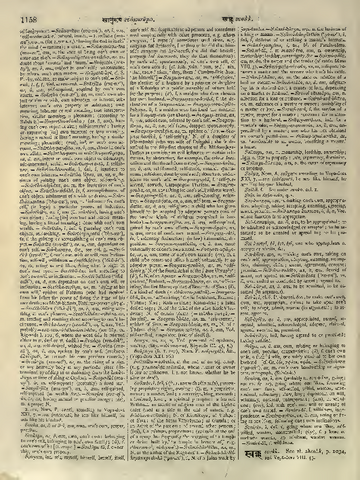
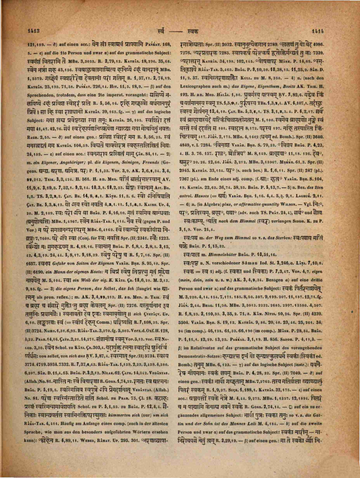
svá Declination gaṇa sarvādi zu P. 1,1,27. P. 1,1,35. P. 7,1,16. VOP. 3,9. VOP. 3,12. VOP. 3,37. vor svā behält ein Femininum im comp. seinen Charakter VOP. 6,13. gaṇa priyādi zu P. 6,3,34. 1〉 adj. (f. ā) svásmin ṚV. 1,132,2. svásyās ṚV. 9,79,3. eigen (mein, dein sein u. s. w.: Gegens. araṇa, para) AK. 3,4,27,213. H. 562. H. an. 1,14. MED. v. 2. pra svāṃ ma̱timàtarat ṚV. 1,33,13. ṚV. 1,119,8. vadhī̀ vṛ̱traṃ svena̱ bhāmèna ṚV. 1,165,8. svamokò a̱bhi vàḥ syāma ṚV. 7,56,24. ta̱nvaṃ1̱̀ tava̱ svām ṚV. 6,11,2. sīdà hota̱ḥ sva ù lo̱ke ṚV. 3,29,8. sve dama̱ ā ṚV. 4,2,8. reja̱dbhūmìrbhi̱yasā̱ svasyà ma̱nyoḥ ṚV. 17,2. ṚV. 7,21,6. na̱hi svamāyùściki̱te janèṣu ṚV. 7,23,2. na sa svo dakṣàḥ ṚV. 7,86,6. tanū ṚV. 8,11,10. sakhā̀ ṚV. 8,59,11. panthā̱ṃ yaste̱ svaḥ ṚV. 10,18,1. ṚV. 10,56,2. varṇa die eigene d. h. gewöhnliche Farbe AV. 1,23,2. jana AV. 5,30,2. AV. 6,43,1. AV. 6,49,1. AV. 6,142,1. AV. 7,108,1. gṛha AV. 14,2,19. pi̱taràḥ unsere AV. 18,2,29. ŚAT. BR. 1,4,2,17. devatā ŚAT. BR. 13,1,2,3. ŚAT. BR. 14,5,1,20. TS. 2,1,9,1. antaḥsthā ṚV. PRĀT. 2,8. ṚV. PRĀT. 4,1. ṚV. PRĀT. 4,3. ṚV. PRĀT. 6,1. ṚV. PRĀT. 6,6. yāvatsvam so weit sie ihm gehören KĀTY. ŚR. 4,2,28. — Die Flexion und der Gebrauch des Wortes in der späteren Sprache ergiebt sich aus dem Folgenden. Es wird bezogen: a〉 auf eine 3te Person und zwar α〉 auf das grammatische Subject: svaṃ svaṃ caritraṃ śikṣeranpṛthivyāṃ sarvamānavāḥ M. 2,20. prakṛtiṃ svām BHAG. 4,6. MBH. 3,2111. gatāḥ svaṃ svaṃ gṛhaṃ surāḥ MBH. 3,1845. R. 1,1,65. R. 1,58,9. sūryāpāye na khalu kamalaṃ puṣyati svāmabhikhyām MEGH. 78. ŚĀK. 18. ŚĀK. 131. svayaiva prabhayā dyotate MBH. 3,1746. svayodīritayā (= svayamudīritayā) svaśaktyā BHĀG. P. 3,8,12. śarīrātsvāt M. 1,8. ambhasaḥ svasmāt Spr. (II) 7017. svasya nāmnaḥ M. 2,124. mātuḥ svasyāḥ RAGH. 12,13. sve sve 'ntare M. 1,63. M. 8,42. svasminskandhe R. GORR. 2,37,12. KATHĀS. 25,294. RĀJA-TAR. 1,18. RĀJA-TAR. 3,265. RĀJA-TAR. 5,48. svāḥ svāḥ prajāḥ M. 1,61. svāni karmāṇi M. 8,42. M. 1,30. svaiḥ karmabhiḥ M. 4,3. R. 1,6,6. svebhyaḥ svebhyastu karmabhyaḥ M. 12,70. sveṣu karmasu M. 4,155. am Anf. eines comp.: dīpyamānaḥ svavapuṣā devavaddivi modate M. 2,232. M. 3,45. svamāṃsaṃ paramāṃsena yo vardhayitumicchati M. 5,52. M. 9,298. aravindānāmāmodamupajighrantau svaniḥśvāsānukāriṇām RAGH. 1,43. RAGH. 2,4. ŚĀK. 8,22. Spr. (II) 6704. KATHĀS. 103,73. HIT. 17,4. LA. (III) 8,20. LA. (III) 11,18. LA. (III) 36,6. BHĀG. P. 1,8,13. — β〉 auf das logische Subject (instr.): prakalpyā tasya tairvṛttiḥ svakuṭumbāt M. 10,124. payaḥ pūrvaiḥ svaniḥśvāsakavoṣṇamupabhujyate RAGH. 1,67. rājñā sa nīto 'bhūtsvamandiram KATHĀS. 18,246. KATHĀS. 18,249. BHĀG. P. 3,2,12. — γ〉 auf einen gen.: sve sve dharme niviṣṭānām M. 7,35. teṣāṃ svaṃ svamabhiprāyamupalabhya pṛthakpṛthak 57. jīvantīnāṃ tu tāsāṃ ye taddhareyuḥ svabāndhavāḥ M. 8,29. teṣāṃ doṣānabhikhyāpya sve sve karmaṇi tattvataḥ . kurvīta śāsanaṃ rājā M. 9,262. svadhiyo niścayo nāsti yasya Spr. (II) 7280. svaśaktyā kurvataḥ karma (nom.) na cetsiddhiṃ prayacchati Spr. (II) 7327. Spr. (II) 7340. svasukhaṃ nāsti sādhvīnāṃ tāsāṃ bhartṛsukhaṃ sukham KATHĀS. 39,53. tasyāḥ svapatiḥ MĀRK. P. 16,52. avasthitānāmanuśāsane sve (d. i. ajasya) - ajasya BHĀG. P. 3,1,45. BHĀG. P. 3,8,26. svapatāṃ nidrayā svayā ein Schlaf, über den sie selbst verfügen, Spr. (II) 908. — δ〉 auf einen loc.: svagṛhodyānagate 'pi snigdhe pāpaṃ viśaṅkate Spr. (II) 7268. — ε〉 auf einen acc.: āryarūpamivānāryaṃ karmabhiḥ svairvibhāvayet M. 10,57. bhrātaraṃ svapuraṃ preṣayāmāsa MBH. 3,3055. cāturvarṇyaṃ ca loke 'sminsve sve dharme niyokṣyati R. 1,1,92. R. 1,42,1. RAGH. 2,70. taṃ svodantaṃ pṛṣṭavānnṛpaḥ RĀJA-TAR. 4,278. RĀJA-TAR. 4,414. athārjunaṃ sve (nom. pl.) parivārya sainikāḥ — abruvan MBH. 8,708. vidūrathaṃ svabhāryā jaghāna VARĀH. BṚH. S. 78,1. Spr. (II) 3191. — ζ〉 auf das im comp. vorangehende Wort: sītāsvahastopahṛtāgryapūja RAGH. 14,19. — η〉 auf ein zu ergänzendes allgemeines Subject: chāyā svā dāsavargaśca so v. a. die Schaar der Diener ist des Mannes Schatten M. 4,185. bhrātā svaḥ Spr. (II) 873. svaṃ cetkarmaphalaṃ na syāt MBH. 13,313. svahastadhṛtadaṇḍamivātapatram MBH. 13,1493. svagṛhe pātavyaḥ MBH. 13,6415. svaguṇaṃ paradoṣaṃ ca vaktum MBH. 13,7266. atha nāyikā trividhā svānyā sādhāraṇastrīti SĀH. D. 96. — b〉 auf die 2te Person und zwar α〉 auf das grammatische Subject: padāni gaṇayangaccha svāni MBH. 3,2618. bhrātaraṃ svaṃ praharṣaya R. 6,37,77. tvamapi svaṃ niyogamaśūnyaṃ kuru ŚĀK. 24,16. ŚĀK. 81,4. māvamaṃsthāḥ svamātmānam Spr. (II) 922. KATHĀS. 24,181. svaśarīreṇa svargaṃ gaccha R. 1,60,13. MEGH. 96. Spr. (II) 7328. ŚĀK. 112,18. KATHĀS. 41,37. VET. in LA. (III) 25,22. — β〉 auf das logische Subject (instr. oder zu ergänzen): bāliśastvaṃ naraśreṣṭha gamyatāṃ svapuram R. 1,58,5. VIKR. 27,3. — γ〉 auf einen gen.: svameva sthānametatte KATHĀS. 61,120. kalpaṃ narakavāsaste kitavāsti svayātakaiḥ KATHĀS. 121,189. — δ〉 auf einen acc.: yena tvāṃ svāśrayaṃ prāpayāmi PAÑCAT. 168,5. — c〉 auf die 1te Person und zwar α〉 auf das grammatische Subject: svamaṃśaṃ vitarāmi te MBH. 3,3053. R. 2,79,12. KATHĀS. 18,296. KATHĀS. 35,68. svena bhartrā saha KATHĀS. 43,156. svabāhubalamāśritya haniṣye 'haṃ vānarān MBH. 1,5579. gaccheyaṃ svaśarīreṇa devatānāṃ parāṃ gatim R. 1,57,11. R. 2,74,19. KATHĀS. 25,193. KATHĀS. 71,58. PAÑCAT. 226,14. HIT. 11,5. HIT. 18,9. — β〉 auf den Sprechenden, trotzdem, dass eine 2te imperat. vorangeht: grasiṣye bhakṣayiṣye 'haṃ praviśa svodaraṃ prati R. 5,56,16. ehi gacchāvo vardhamānapuraṃ priye . sā hi svā rājadhānī KATHĀS. 39,162. fg. — γ〉 auf das logische Subject: mayā tvadya praveṣṭavyā svā tanūḥ KATHĀS. 26,105. svaśiro dattaṃ mayā KATHĀS. 41,47. KATHĀS. 42,76. seyaṃ svadehārpaṇaniṣkrayeṇa nyāyyā mayā mocayituṃ bhavattaḥ RAGH. 2,55. — δ〉 auf einen gen.: praviśa svodaraṃ mama R. 5,56,25. svaṃ manastvadrataṃ mama KATHĀS. 104,59. vidyate cāvayoratra svahastalikhitaṃ mithaḥ KATHĀS. 24,189. — ε〉 auf einen acc.: svanagarāya prasthitaṃ mām ŚĀK. 84,11. — 2〉 m. ein Eigener, Angehöriger; pl. die Eigenen, Seinigen, Freunde (Gegens. anya, araṇa, amitra, para) P. 1,1,35. VOP. 3,9. AK. 2,6,1,34. AK. 3,4,27,213. TRIK. 3,3,424. H. 561. H. an. MED. pati̱ṃ bhrātàra̱mātsvān AV. 11,9,8. AV. 3,19,3. AV. 7,52,1. AV. 9,2,14. AV. 10,3,8. AV. 18,2,23. śreṣṭhaḥ svānām AIT. BR. 1,5. TS. 3,2,2,2. ŚAT. BR. 14,8,4,1. KĀṬH. 11,3. KĀṬH. 11,6. svo 'bhiṣiñcati ŚAT. BR. 5,3,5,12. yo 'sya svo bhavati ŚAT. BR. 4,3,1. ŚAT. BR. 4,3,11. ŚAT. BR. 1,1,4,5. KAUṢ. UP. 4,20. M. 2,109. svaḥ paro 'pi vā BHĀG. P. 6,16,10. mṛtaṃ svamiva bāndhavāḥ (anuśocanti) MBH. 1,4967. svena RĀJA-TAR. 1,114. naiva sve (gegen P. und VOP.) na pare samājananparasparam MBH. 6,4162. sve svānpare svakīyāṃśca nijaghnuḥ MBH. 7,7608. pare 'pi svā (Conj. für sva) bhavanti Spr. (II) 2341. svaiḥ Spr. (II) 1223. svebhyo naḥ sumahadbhayam R. 4,18,16. svānām BHĀG. P. 1,8,1. BHĀG. P. 2,8,5. BHĀG. P. 3,15,42. BHĀG. P. 4,3,19. BHĀG. P. 4,24,44. BHĀG. P. 5,8,17. BHĀG. P. 9,18,29. sveṣu pareṣu ca R. 1,7,10. Spr. (II) 1657. svabhaya Gefahr von Seiten der Eigenen VARĀH. BṚH. S. 95,10. Spr. (II) 6190. ein Mann der eigenen Kaste: na vipraṃ sveṣu tiṣṭhatsu mṛtaṃ śūdreṇa nāyayet M. 5,104. svā ein Weib der eig. K. KĀTY. ŚR. 18,6,28. M. 3,13. M. 9,85. fg. — 3〉 die eigene Person, das Selbst, das Ich (fungirt wie ātman als pron. reflex.); m. AK. 3,4,27,213. H. an. MED. n. TRIK. svaṃ ca brahma ca saṃsāre muktau tu brahma kevalam Spr. (II) 7276. yastūrṇanābha iva tantubhiḥ pradhānajaiḥ . svabhāvato deva ekaḥ svamāvṛṇot .. sich ŚVETĀŚV. UP. 6,10. laṅkāsthaḥ svaṃ (= svīyaṃ deham Comm.) dhariṣyasi R. 7,108,25. Spr. (II) 3724. NAIṢ. 1,31. NAIṢ. 6,95. RĀJA-TAR. 3,370. fg. RĀJA-TAR. 5,303. Verz. d. Oxf. H. 128,b,22. PRAB. 14,16. ŚATR. 2,21. ŚATR. 14,271. saṃjānīṣva svam VOP. 5,13. voc. sva NALOD. 3,30. svena Schol. zu KĀTY. ŚR. 303,4. ya̱dāyùkta̱ tmanā̱ svādadhi̱ ṣṇubhi̱rvi ṣpàrdhasaḥ von selbst, von sich aus ṚV. 5,87,4. svasmāt Spr. (II) 5734. svasya Spr. (II) 3774. Spr. (II) 4719. Spr. (II) 5934. Spr. (II) 7332. R. 7,37,1,43. RĀJA-TAR. 1,139. RĀJA-TAR. 2,23. RĀJA-TAR. 3,439. RĀJA-TAR. 4,280. RĀJA-TAR. 6,207. SĀH. D. 11,4. SĀH. D. 11,15. BHĀG. P. 3,2,12. NĪLAK. 62. ŚATR. 14,342. VEDĀNTAS. (Allah.) No. 81. nāsti naḥ sve vicāraṇā R. GORR. 1,74,22. ramataḥ sva ātmanaḥ BHĀG. P. 5,19,5. svasminniva svaputre 'pi premadarśanāt VEDĀNTAS. (Allah.) No. 81. pareṇa svasmiṃstāḍite sati Schol. zu PRAB. 75, Śl. 18. kaṭāhaḥ prasthaṃ svasminsamāveśayati Schol. zu P. 5,1,52. zu BHĀG. P. 12,4,4. sainikāḥ svānyavartanta svāmibhaktiparāṅmukhāḥ kümmerten sich (nur) um sich RĀJA-TAR. 4,411. Häufig am Anfange eines comp. (auch in der ältesten Sprache, wie man aus den besonders aufgeführten Wörtern ersehen kann): ˚snehena R. 6,89,11. WEBER, RĀMAT. UP. 295. WEBER, RĀMAT. UP. 301. ˚bharaṇavyāpāramātrodyatāḥ Spr. (II) 2032. svānubhūtyekamāna Spr. (II) 2789. ˚lakṣaṇaṃ tu yo veda Spr. (II) 4986. Spr. (II) 7276. ˚parapratāraka Spr. (II) 7285. svāpakarṣaṃ parotkarṣaṃ dūtoktairmanyate tu kaḥ Spr. (II) 7339. ˚parāntaram KATHĀS. 34,198. KATHĀS. 102,145. ˚poṣaṇapara MĀRK. P. 14,69. ˚smṛtiklaptaye RĀJA-TAR. 5,463. BHĀG. P. 9,10,30. BHĀG. P. 10,38,15. BHĀG. P. 11,25,2. SĀH. D. 11,2. SĀH. D. 11,57. svanistaraṇāśaktau KULL._zu_M. 8,350. — 4〉 n. (nach den Lexicographen auch m.) das Eigene, Eigenthum, Besitz AK. TRIK. H. 192. H. an. MED. HALĀY. 1,80. dhru̱vamàsya̱ yatsvam ṚV. 7,82,6. yaddhe̱va kiṃ ca̱ yajàmānasya̱ svam TS. 1,5,9,1. purùṣasya TBR. 1,3,7,4. AV. 6,107,1. tadā̀hu̱ svasya̱ gopànam AV. 12,4,10. ŚAT. BR. 5,3,1,1. TS. 3,1,2,3. TS. 3,1,2,4. P. 6,2,17. sarvaṃ svaṃ brāhmaṇasyedaṃ yatkiṃcijjagatīgatam M. 1,100. svameva brāhmaṇo bhuṅkte svaṃ vaste svaṃ dadāti sa M. 101. svādāna M. 8,172. parasya M. 197. nahi tasyāsti kiṃcitsvam M. 417. YĀJÑ. 2,175. MBH. 4,1602 (dhanam ed. Bomb.). Spr. (II) 3640. Spr. (II) 4849, v. l. Spr. (II) 7284. ˚vināśa VARĀH. BṚH. S. 79,23. ˚vijaya BHĀG. P. 4,23,4. H. 3. H. 76. H. 157. rāja˚, śrotriya˚ M. 8,149. brāhmaṇa˚ M. 11,18. M. 11,126. deva˚, asura˚ M. 20. M. 26. M. 12,60. YĀJÑ. 3,212. MBH. 3,15967. MṚCCH. 61,3. Spr. (II) 2945. KATHĀS. 33,154. para˚ (s. auch bes.) R. 1,6,11. Spr. (II) 247 (pl.). Spr. (II) 7367 (pl.). am Ende eines adj. comp. (f. ā): hṛta˚ VARĀH. BṚH. S. 104,19. KATHĀS. 22,62. KATHĀS. 36,74. KATHĀS. 58,23. BHĀG. P. 5,13,7. — 5〉 n. Bez. des 2ten astrol. Hauses (= artha) VARĀH. BṚH. 1,16. VARĀH. BṚH. 4,4. VARĀH. BṚH. 5,3. VARĀH. BṚH. 9,1. LAGHUJ. 2,11. — 6〉 n. (in Algebra) plus, or affirmative quantity WILSON. — Vgl. niḥ˚, para˚, pratisvam, brahma˚, yathā˚ (adv. auch TS. PRĀT. 24,4), sarva˚ und sauva.
Böhtlingk 1879 adjective · substantive masculine · substantive neuter · Word type unspecified
Original text · German · adjective · substantive masculine · substantive neuter
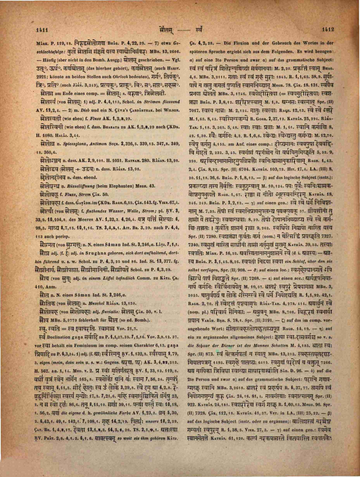
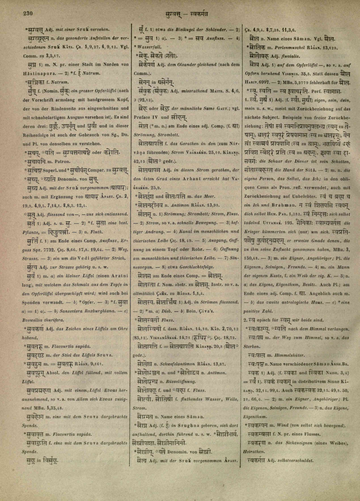
1. svá, suá — 1〉 Adj. (f. svā́, suā́) eigen, sein, dein, mein u. s. w. meist mit Zurückbeziehung auf das nächste Subject. Beispiele von freier Zurückbeziehung; teṣāṃ svaṃ svamabhiprāyamipalabhya (svam zu teṣām), bhrātaraṃ svapuraṃ preṣayāmāsa (sva zu bhrātaram), yena tvāṃ svāśrayaṃ prāyayāmi (sva zu tvām), bhakṣayiṣye 'haṃ praviśa svodaraṃ prati (sva zu aham), chāyā svā dāsavargaḥ die Schaar der Diener ist sein Schatten, sītāsvahasta die Hand der Sītā. — 2〉 m. n. die eigene Person, das Selbst, das Ich; in den obliquen Casus als Pron. refl. verwendet, auch mit Zurückbeziehung auf Unbelebtes. svaṃ ca brahma ca ein Ich und Brahman. na svaṃ śikṣayasi svayam dich selbst HEM. PAR. 1,332. svaṃ nindantaḥ sich selbst tadelnd UTTAMAC. 195. sainikāḥ svānyavartanta die Krieger kümmerten sich (nur) um sich. svapratipanneṣu kuryodanugraham er erweise Gnade denen, die zu ihm seine [sic] Zuflucht genommen haben, MBH. 3,150,48. — 3〉 m. ein Eigner, Angehöriger; Pl. die Eigenen, Seinigen, Freunde. — 4〉 m. ein Mann der eigenen Kaste, f. ein Weib der eig. K. — 5〉 n. — a〉 das Eigene, Eigenthum, Besitz. Auch Pl.; am Ende eines adj. Comp. f. ā. Angeblich auch m. — b〉 das zweite astrologische Haus. — c〉 *eine positive Zahl.
Original text · German · Word type unspecified
2. sva episch für svas wir beide sind.
Apte 1890 pronoun · substantive masculine · substantive neuter
Original text · English · pronoun · substantive masculine · substantive neuter
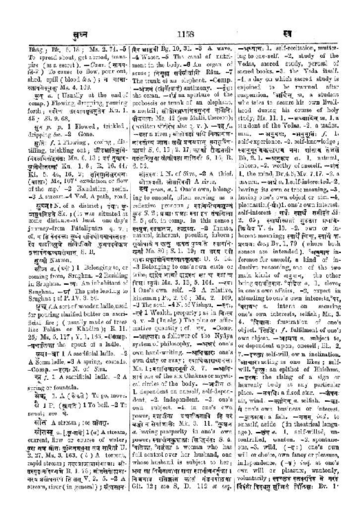
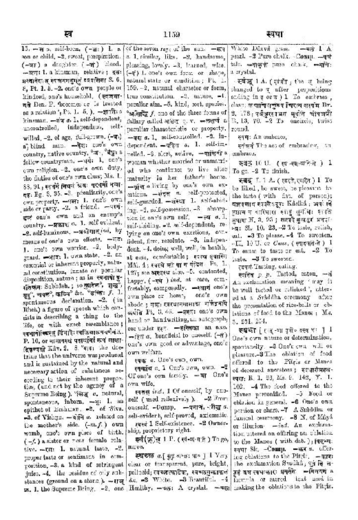
sva pron. a. 1 One's own, belonging to oneself, often serving as a reflexive pronoun; svaniyogamaśūnyaṃ kuru Ś. 2; prajāḥ prajāḥ svā iva taṃtrayitvā Ś. 5. 5; oft. in comp. in this sense; svaṃputra, svakalatra, svadravya. 2 Innate, natural, inherent, peculiar, inborn; sūryāpāye na khalu kamalaṃ puṣyati svāmabhikhyāṃ Me. 80; Ś. 1. 19; sa tasya svo bhāvaḥ prakṛtiniyatatvādakṛtakaḥ U. 6. 14. 3 Belonging to one's own caste or tribe; śūdraiva bhāryā śūdrasya sā ca svā ca viśaḥ smṛteḥ Ms. 3. 13, Ms. 5. 104. — svaḥ 1 One's own self. 2 A relative, kinsman; Pt. 2. 96; Ms. 2. 109. 3 The soul. 4 N. of Viṣṇu. — svaḥ, — svaṃ 1 Wealth, property; as in niḥsva q. v. 2 (In alg.) The plus or affirmative quantity; cf. dhana. -COMP. — akṣapādaḥ a follower of the Nyāya system of philosophy. — akṣaraṃ one's own hand-writing. — adhikāraḥ one's own duty or sway; svādhikārātpramattaḥ Me. 1; svādhikārabhūmau Ś. 7. — adhiṣṭhānaṃ one of the six Cakras or mystical circles of the body. — adhīna a. 1 dependent on oneself, self-dependent. 2 independent. 3 one's own subject. 4 in one's own power; svādhīnā vacanīyatāpi hi varaṃ baddho na sevāṃjaliḥ Mk. 3. 11. ˚kuśala a. having prosperity in one's own power; svādhīnakuśalāḥ siddhimaṃtaḥ Ś. 4. ˚patikā, ˚bhartṛkā a woman who has full control over her husband, one whose husband is subject to her; atha sā nirgatābādhā rādhā svādhīnabhartṛkā . nijagāda ratiklāṃtaṃ kāṃtaṃ maṃḍanavāṃchayā Gīt. 12; see S. D. 112 et seq. ([Page 1158-c]) — adhyāyaḥ 1 self-recitation, muttering to one-self. 2 study of the Vedas, sacred study, perusal of sacred books. 3 the Veda itself. 4 a day on which sacred study is enjoined to be resumed after suspension. ˚arthin m. a student who tries to secure his own livelihood during his course of holy study; Ms. 11. 1. — adhyāyin m. 1 a student of the Vedas. 2 a tradesman. — anubhavaḥ, -anubhūtiḥ f. 1 self-experience. 2 self-knowledge; svānubhūtyekasārāya namaḥ śāṃtāya tejase Bh. 2. 1. — anurūpa a. 1 natural, inborn. 2 worthy of oneself. — aṃtaṃ 1 the mind; Bv. 4. 5; Mv. 7. 17. 2 a cavern. — artha a. 1 self-interested. 2 having its own or true meaning. 3 having one's own object or aim. 4 pleonastic. — (rthaḥ) 1 one's own interest, self-interest; sarvaḥ svārthaṃ samīhate Śi. 2. 65; svārthātsatāṃ gurutarā praṇayikriyaiva V. 4. 15. 2 own or inherent meaning; svārthe ṇic, svārthe kapratyayaḥ &c.; Bv. 1. 79 (where both senses are intended). ˚anumānaṃ inference for oneself, a kind of inductive reasoning, one of the two main kinds of anumāna, the other being parārthānumāna. ˚pāṃḍita a. 1 clever in one's own affairs. 2 expert in attending to one's own interests. ˚para, ˚parāyaṇa a. intent on securing one's own interests, selfish; Mu. 3. 4. ˚vighātaḥ frustration of one's object. ˚siddhiḥ f. fulfilment of one's own object. — āyatta a. subject to, or dependent upon, oneself; Bh. 2. 7. — icchā self-will, own inclination. ˚ācāraḥ acting as one likes; selfwill. ˚mṛtyuḥ an epithet of Bhīṣma. — udayaḥ the rising of a sign or heavenly body at any particular place. — upadhiḥ a fixed star. — kaṃpanaḥ air, wind. — kāmin a. selfish. — kāryaṃ one's own business or interest. — kulakṣayaḥ a fish. — gatam ind. to oneself, aside (in theatrical language). — chaṃda a. 1 self-willed, uncontrolled, wanton. 2 spontaneous. 3 wild. — (daḥ) one's own will or choice, own fancy or pleasure, independence. — (daṃ) ind. at one's own will or pleasure, wantonly, voluntarily; svacchaṃdaṃ daladaraviṃda te maraṃdaṃ viṃdaṃto vidadhatu guṃjitaṃ miliṃdāḥ Bv. 1. 15. ([Page 1159-a]) — ja a. self-born. — (jaḥ) 1 a son or child. 2 sweat, perspiration. — (jā) a daughter. — (jaṃ) blood. — janaḥ 1 a kinsman, relative; itaḥ pratyādeśāt svajanamanugaṃtuṃ vyavasitā Ś. 6. 8, Pt. 1. 5. 2 one's own people or kindred, one's household. ( svajanāyate Den. P. ‘becomes or is treated as a relation’; Pt. 1. 5.). — jñātiḥ a kinsman. — taṃtra a. 1 self-dependent, uncontrolled, independent, selfwilled. 2 of age, full-grown. — (traḥ) a blind man. — deśaḥ one's own country, native country. ˚jaḥ, ˚baṃdhuḥ a fellow-countryman. — dharmaḥ 1 one's own religion. 2 one's own duty, the duties of one's own class; Ms. 1. 88, Ms. 1. 91; svadharme nidhanaṃ śreyaḥ paradharmo bhayāvahaḥ Bg. 3. 35. 3 peculiarity, one's own property. — pakṣaḥ 1 one's own side or party. 2 a friend. — paramaṃḍalaṃ one's own and an enemy's country. — prakāśa a. 1 self-evident. 2 self-luminous. — prayogāt ind. by means of one's own efforts. — bhaṭaḥ 1 one's own warrior. 2 bodyguard. — bhāvaḥ 1 own state. 2 an essential or inherent property, natural constitution, innate or peculiar disposition, nature; as in svabhāvo duratikramaḥ Subhāṣ.; so kuṭila˚, śuddha˚, mṛdu˚, capala˚, kaṭhina˚ &c. ˚uktiḥ f. 1 spontaneous declaration. 2 (in Rhet.) a figure of speech which consists in describing a thing to the life, or with exact resemblance; svabhāvoktistu ḍiṃbhadiḥ svakriyārūpavarṇanaṃ K. P. 10, or nānāvasthaṃ padārthānāṃ rūpaṃ sākṣādvivṛṇvatī Kāv. 2. 8. ˚vādaḥ the doctrine that the universe was produced and is sustained by the natural and necessary action of substances according to their inherent properties, (and not by the agency of a Supreme Being). ˚siddha a. natural, spontaneous, inborn. — bhūḥ 1 an epithet of Brahman. 2 of Śiva. 3 of Viṣṇu. — yoni a. related on the mother's side. ( — m. f.) own womb, one's own place of birth. ( — f.) a sister or near female relative. — rasaḥ 1 natural taste. 2 proper taste or sentiment in composition. 3 a kind of astringent juice. 4 the residue of oily substances (ground on a stone). — rāj m. 1 the Supreme Being. 2 one ([Page 1159-b]) of the seven rays of the sun. — rūpa a. 1 similar, like. 2 handsome, pleasing, lovely. 3 learned, wise. — (paṃ) 1 one's own form or shape, natural state or condition; Pt. 1. 159. 2 natural character or form, true constitution. 3 nature. 4 peculiar aim. 5 kind, sort, species. ˚asiddhi f. one of the three forms of fallacy called asiddha q. v. — lakṣaṇaṃ a peculiar characteristic or property. — vaśa a. 1 self-controlled. 2 independent. — vahita a. 1 self-impelled. 2 alert, active. — vāsinī a woman whether married or unmarried who continues to live after maturity in her father's house. — vṛtti a. living by one's own exertions. — saṃvṛta a. self-protected, self-guarded. — saṃsthā 1 self-abiding. 2 self-possession. 3 absorption in one's own self. — stha a. 1 self-abiding. 2 self-dependent, relying on one's own exertions, confident, firm, resolute. 3 independent. 4 doing well, well, in health, at ease, comfortable; svastha evāsmi Māl. 4; svasthe ko vā na paṃḍitaḥ Pt. 1. 127; see asvastha also. 5 contented, happy. — (sthaṃ) ind. at ease, comfortably, composedly. — sthānaṃ one's own place or home, one's own abode; nakraḥ svasthānamāsādya gajeṃdramapi karṣati Pt. 3. 46. — hastaḥ one's own hand or handwriting, an autograph; see under hasta. — hastikā an axe. — hita a. beneficial to oneself. — (taṃ) one's own good or advantage, one's own welfare.
Cappeller 1887 Word type unspecified
Original text · German · Word type unspecified
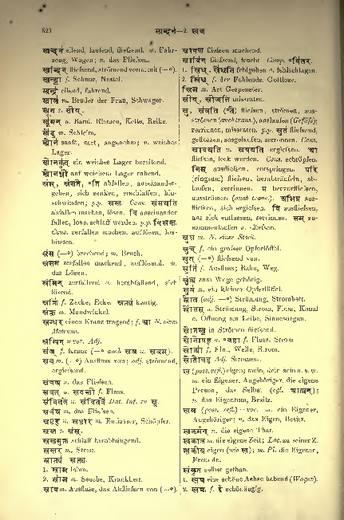
svá (poss. refl.) eigen; mein, dein sein u. s. w. m. ein Eigener, Angehöriger, die eigene Person, das Selbst (vgl. ātman); n. das Eigentum, Besitz.
Burnouf 1866 Word type unspecified
Original text · French · Word type unspecified
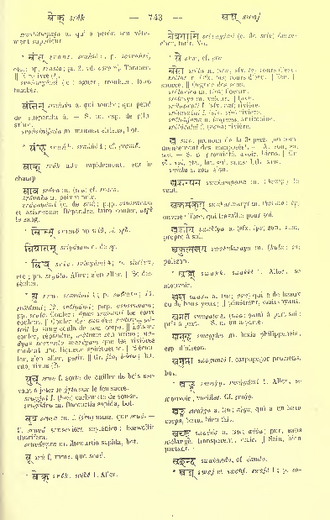
sva sva, pronom de la 3ᵉ pers. [au commencement des composés]. — A. son, sa, ses. — S. n. propriété, avoir, biens. Gr. οὖ, σφέ, etc.; lat. sui, suus; lith. saw. svaka a. son, sien.
Derived words
Occurrences in source texts (113)
DYS 16 occurrences
DYS 103–105: Students as Obstacle 4 occurrences
Direct occurrences
DYS 125–130: Liberation in Life 4 occurrences
Direct occurrences
GoS 10 occurrences
HP 7 occurrences
HP 3.87-3.93*7: Sahajolī and Amarolī 2 occurrences
Direct occurrences
HTK 3 occurrences
HTK 10.30–33*1: Nāḍī-viśudhy-ākhyaka-kumbha and Nāḍīśuddhi 1 occurrence
Direct occurrences
-
HTK 10.30 Segment 5
HTK 10.34*2–38*1: Asvaṅgaśṛṅkhalā and Kumbhāntaraśṛṅkhalā 1 occurrence
Direct occurrences
-
HTK 10.36 Segment 12
HTK 10.47*2: Kumbhaka: Names, forms and effects 1 occurrence
Occurrences through derived words
-
HTK 10.47*2 Segment 9
MAN 1 occurrence
PJH 5 occurrences
PYS 17 occurrences
PYS 2.23–26: From Avidyā to Kaivalya 2 occurrences
Direct occurrences
-
PYS 2.23 Segment 1
Occurrences through derived words
-
PYS 2.23 Segment 4
PYS 2.30–34: Vows and Counterreflection 1 occurrence
Occurrences through derived words
-
PYS 2.32 Segment 4
PYS 2.40–45: Perfected Niyamas 2 occurrences
Direct occurrences
-
PYS 2.40 Segment 2
Occurrences through derived words
-
PYS 2.44 Segment 1
8 more source pages
PYS 2.54-55: Pratyāhāra 2 occurrences
Direct occurrences
-
PYS 2.54 Segment 1
Occurrences through derived words
-
PYS 2.54 Segment 4
PYS 3.44–46: Mastery over the Elements 1 occurrence
Occurrences through derived words
-
PYS 3.44 Segment 2
PYS 3.47–48: Mastery over the Senses 1 occurrence
Occurrences through derived words
-
PYS 3.47 Segment 2
PYS 4.12–14: Real Objects in Transformation 1 occurrence
Occurrences through derived words
-
PYS 4.12 Segment 3
SiSa 22 occurrences
SiSa 1.51-1.64: Selbst als Licht 3 occurrences
Direct occurrences
SiSa 1.82-1.90: Guṇas und Gegenstände 2 occurrences
Occurrences through derived words
SiSa 1.93-1.99: Karmische Verkörperung 4 occurrences
Direct occurrences
SiSa 3.61-3.67: Paricaya und Niṣpatti 1 occurrence
Occurrences through derived words
-
SiSa 3.67 Segment 19
SiSa 5.29-5.35: Pratīka-upāsanā 5 occurrences
Direct occurrences
5 more source pages
SiSa 5.121-5.127: Viśuddha 2 occurrences
Direct occurrences
-
SiSa 5.125 Segment 13
-
SiSa 5.126 Segment 5
SiSa 5.234-5.252: Tripurā-Mantra 1 occurrence
Occurrences through derived words
-
SiSa 5.248 Segment 17
SS 4 occurrences
SVU 11 occurrences
SVU 1.1-1.3: The Search for the Cause 2 occurrences
Direct occurrences
Continue with AYI Free
Image source: AYI archive.