

citta चित्त – citta; inner cognitive organ; mind; perceptual space
adjective · substantive neuter · Word type unspecified
Dictionary sources
AYI dictionary substantive neuter
citta; inner cognitive organ; mind; perceptual space
Derived from
Cappeller 1891 adjective
Original text · English · adjective
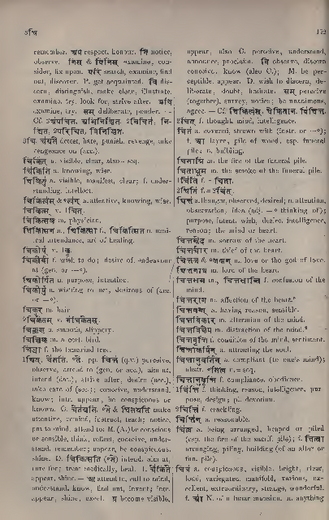
cittá ·a. thought, observed, desired; n. attention, observation, idea (adj. --° thinking of); purpose, intent, wish, desire, intelligence, reason; the mind or heart.
Monier-Williams 1872 adjective · Word type unspecified
Original text · English · adjective
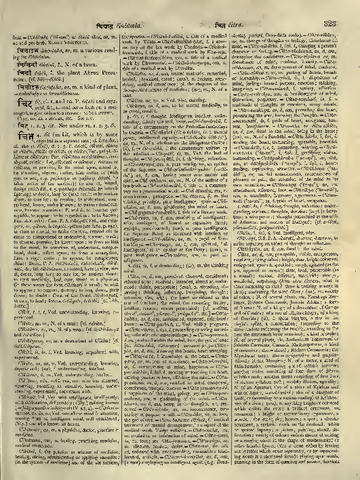
Citta, as, ā, am, perceived, observed, considered; reflected upon; resolved; intended, aimed at, under- stood; visible, perceptible; (am), n. attending, ob- serving; thinking, reflecting, imagining, thought; intention, aim, wish; the heart considered as the seat of intellect; the mind, the reasoning faculty; intellect, reason; reason personified; [cf. a-citta, iha-c˚, cala-c˚, pūrva-c˚, prāyaś-c˚, &c.]
Original text · English · Word type unspecified
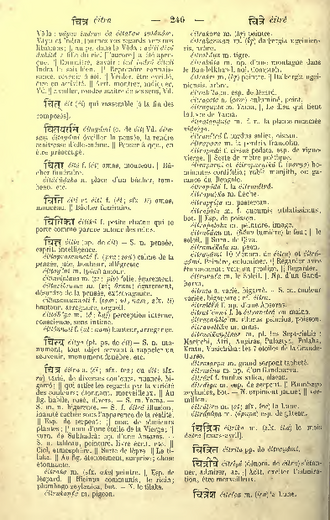
citta citta. See p. 323, col. 2.
Petersburger 1855 substantive neuter · Word type unspecified
Original text · German · substantive neuter
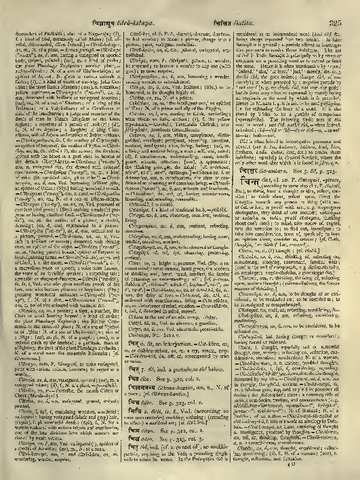
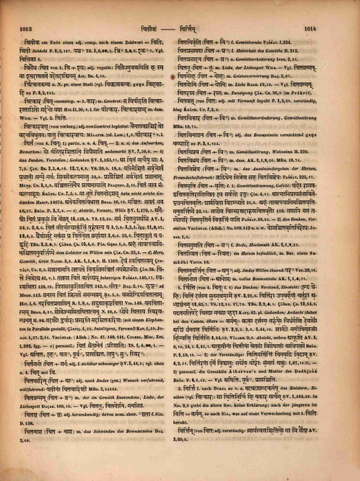
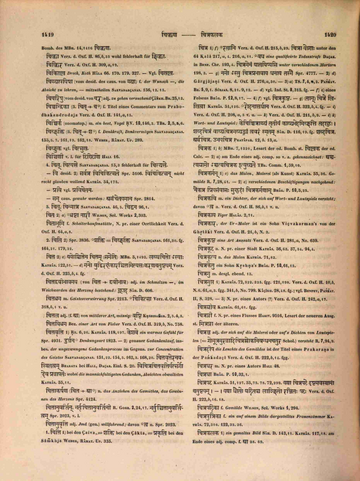
cittá (von 4. cit) 1〉 partic. s. u. 4. cit. — 2〉 n. a〉 das Aufmerken, Bemerken: yo nàsti̱raści̱ttāni̱ jighā̀ṃsati unbemerkt ṚV. 7,59,8. — b〉 das Denken, Vorstellen; Gedanken ṚV. 1,163,11. ā ci̱ttaṃ martyèṣu dhāḥ ṚV. 5,7,9. ŚAT. BR. 3,2,4,16. ŚAT. BR. 12,7,1,9. VS. 20,9. VS. 18,2. yasmìṃści̱ttaṃ sarva̱motàṃ pra̱jānā̱ṃ tanme̱ manàḥ śi̱vasàṃkalpamastu VS. 34,5. prāṇaiścittaṃ sarvamotaṃ prajānām MUṆḌ. UP. 3,1,9. yaccittastenaiṣa prāṇamāyāti PRAŚNOP. 3,10. cittaṃ vāva saṃkalpādbhūyaḥ CHĀND. UP. 7,5,1. mā bhūtte cittamīdṛśam habe nicht solche Gedanken HARIV. 14674. anekacittavibhrānta BHAG. 16,16. maccittaḥ satataṃ bhava BHAG. 18,57. BHĀG. P. 3,7,8. — c〉 Absicht, Vorsatz, Wille ṚV. 1,170,1. a̱maiṣā̀ṃ ci̱ttaṃ pra̱budhā̱ṃ vi nèśat ṚV. 10,128,6. VS. 12,58. mamà ci̱ttamu̱pāyàsi AV. 1,34,2. AV. 3,8,6. ci̱ttaṃ vīrtsa̱ntyākū̀ti̱ṃ purùṣasya ca AV. 5,7,8. AV. 3,2,1. fgg. AV. 11,8,27. AV. 19,4,2. praiṇā̀nnude̱ manàsā̱ pra ci̱tteno̱ta brahmàṇā AV. 3,6,8. AV. 3,25,6. ci̱ttā̱kū̱taṃ ca yaddhṛ̱di TBR. 2,2,4,1. ŚĀṄKH. ŚR. 10,4,6. PĀR. GṚHY. 1,8. ahaṃ tāvatsvāminaścittamanuvartiṣye dem Gebieter zu Willen sein ŚĀK. CH. 32,3. — d〉 Herz, Gemüth, Geist NAIGH. 3,9. AK. 1,1,4,9. H. 1369. devaṃ svacittastham ŚVETĀŚV. UP. 6,5. sattvānāmapi lakṣyate vikṛtimaccittaṃ bhayakrodhayoḥ ŚĀK. 38. citte niveśya ŚĀK. 42, v. l. tattvayā citte kartavyam beherzigen PAÑCAT. 140,17. svasthacittā PAÑCAT. 128,19. pipāsākulitacitta PAÑCAT. 242,5. bhīta˚ DAŚ. 2,10. hṛṣṭa˚ ad MEGH. 113. janasya cittaṃ kriyate samanmatham ṚT. 1,5. avaśendriyacittānām HIT. I, 6. naracittapramāthin R. 1,9,4. tvadguṇākṛṣṭacittā VID. 149. yatacittātman BHAG. 4,21. śokonmathitacittātman N. 10,8. dhyeye cittasya sthirabandhanam H. 84. yadāsau durvāraḥ prasarati madaścittakariṇaḥ (mit einem Elephanten in Parallele gestellt) ŚĀNTIŚ. 1,22. Intelligenz, Vernunft KAP. 1,59. YOGAS. 1,37. YOGAS. 2,54. VEDĀNTAS. (Allah.) No. 47. VEDĀNTAS. (Allah.) No. 140. VEDĀNTAS. (Allah.) No. 141. COLEBR. Misc. Ess. I, 392. fgg. — e〉 personif.: ci̱ttaṃ sàṃtā̱nenà (prīṇāti) TS. 1,4,36,1. — Vgl. acitta, iha˚, cala˚, pūrva˚, prāyaścitta, laghu˚, su˚, sthira˚.
Original text · German · Word type unspecified
citta 2〉c〉 yayościttena cittam (sameti) MBH. 5,1493. labdhacitto 'syāḥ KATHĀS. 122,51. — d〉 mano buddhirahaṃkāraścittamityantaḥkaraṇacatuṣṭayam Verz. d. Oxf. H. 225,b,4. fg.
Böhtlingk 1879 adjective · substantive neuter
Original text · German · adjective · substantive neuter
cittá — 1〉 Adj. s. u. 4. cit. — 2〉 n. (adj. Comp. f. ā) [Page2-227-c] — a〉 das Aufmerken, Bemerken. tiráścittā́ni so v. a. unbemerkt. — b〉 das Denken, Vorstellen, Gedenken. Am Ende eines adj. Comp. dessen Gedanken auf — gerichtet sind Chr. 125,24. — c〉 Absicht, Vorsatz, Wille. — d〉 Herz, Gemüth, Geist. — e〉 Intellect, Vernunft. — f〉 in der Astrol. das neunte Haus VARĀH. YOGAY. 4,1. — g〉 personificirt.

Apte 1890 adjective · substantive neuter
Original text · English · adjective · substantive neuter
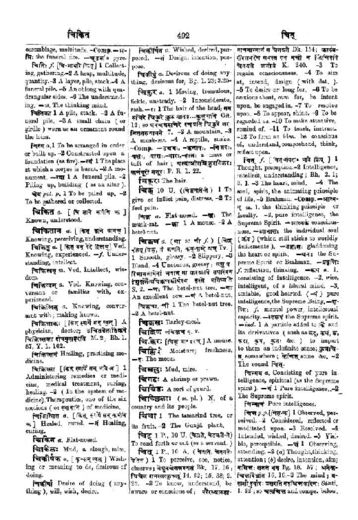
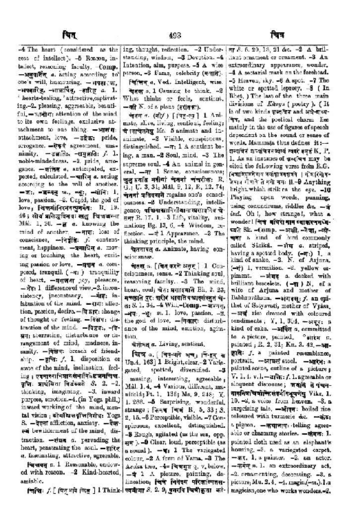
citta p. p. [cit-kta] 1 Observed, perceived. 2 Considered, reflected or meditated upon. 3 Resolved. 4 Intended, wished, desired. 5 Visible, perceptible. — ttaṃ 1 Observing, attending. 2 (a) Thought, thinking, attention; (b) desire, intention, aim; maccittaḥ satataṃ bhava Bg. 18. 57; anekacittavibhrāṃta Bg. 16. 16. 3 The mind; yadāsau durvāraḥ prasarati madaścittakariṇaḥ Śānti. 1. 22; so calacitta and comps. below. ([Page 0493-a]) 4 The heart (considered as the seat of intellect). 5 Reason, intellect, reasoning faculty. Comp. — anuvartin a. acting according to one's will, humouring. — apahā -ka, — apahārin, -ākarṣin, -hārin a. 1 ‘heart-stealing,’ attractive, captivating. 2 pleasing, agreeable, beautiful. — ābhogaḥ attention of the mind to its own feelings, exclusive attachment to one thing. — āsaṃgaḥ attachment, love. — udrekaḥ pride, arrogance. — aikyaṃ agreement, unanimity. — unnatiḥ, -samunnatiḥ f. 1 noble-mindedness. 2 pride, arrogance. — kalita a. anticipated, expected, calculated. — cārin a. acting according to the will of another. — jaḥ, -janman m., — bhūḥ, -yoniḥ 1 love, passion. 2 Cupid, the god of love; cittayonirabhavatpunarnavaḥ R. 19. 46; soyaṃ prasiddhavibhavaḥ khalu cittajanmā Māl. 1. 20. — jña a. knowing the mind of another. — nāśaḥ loss of conscience. — nirvṛtiḥ f. contentment, happiness. — pramāthin a. moving or touching the heart, exciting passion or love. — praśama a. composed, tranquil. — (maḥ) tranquility of heart. — prasannatā joy, pleasure. — bhedaḥ 1 difference of view. 2 inconsistency, inconstancy. — mohaḥ infatuation of the mind. — rāgaḥ affection, passion, desire. — vikāraḥ change of thought or feeling. — vikṣepaḥ distraction of the mind. — viplavaḥ, — vibhramaḥ aberration, disturbance or derangement of mind, madness, insanity. — viśleṣaḥ breach of friendship. — vṛttiḥ f. 1 disposition or state of the mind, inclination, feeling; evamātmābhiprāyasaṃbhāviteṣṭajanacittavṛttiḥ prārthayitā viḍaṃbyate Ś. 2. 2 thinking, imagining. 3 inward purpose, emotion. 4 (in Yoga phil.) inward working of the mind, mental vision; yogaścittavṛttinirodhaḥ Yoga S. — vedanā affliction, anxiety. — vaikalyaṃ bewilderment of the mind, distraction. — saṃkhya a. pervading the heart, penetrating the soul. — hārin a. fascinating, attractive, agreeable.
Cappeller 1887 Word type unspecified
Original text · German · Word type unspecified
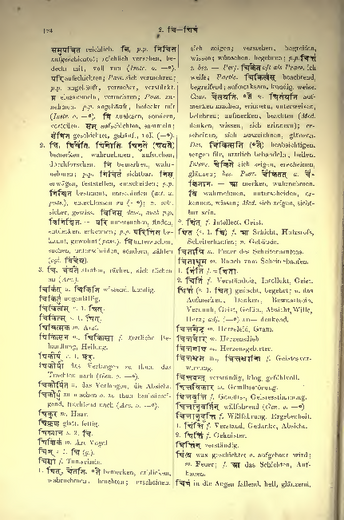
cittá (s. 1. cit) gedacht, begehrt; n. das Aufmerken, Denken, Bewusstsein, Vernuft, Geist, Gefühl, Absicht, Wille, Herz; adj. (—˚) an—denkend.
Burnouf 1866 Word type unspecified
Original text · French · Word type unspecified
citta citta (pp. de cit) — S. n. pensée, esprit, intelligence. cittaprasannatā f. (pra; sad) calme de la pensée, joie, bonheur, allégresse. cittayoni m. (yoni) amour. cittaviplava m. (vi; plu) folie, égarement. cittavibhrama m. (vi; bhram) égarement, désordre de la pensée, extravagance. cittasamunnati f. (sam; ut; nam; sfx. ti) hauteur, arrogance, orgueil. cittābhoga m. (ā; bhuj) perception interne, conscience, sens intime. cittonnati f. (ut; nam) hauteur, arrogance.
Occurrences in source texts (82)
DYS 4 occurrences
GoS 5 occurrences
HP 20 occurrences
10 more source pages
HP 4.20-4.27: Four Stages of Nāda 2 occurrences
Direct occurrences
HP 4.37-4.46: Listening to Nāda 2 occurrences
Direct occurrences
HTK 2 occurrences
MAN 1 occurrence
PJH 2 occurrences
PYS 21 occurrences
9 more source pages
PYS 3.9–12: Three Transformations of Citta 3 occurrences
Direct occurrences
PYS 4.15–17: Object and Citta 3 occurrences
Direct occurrences
PYS 4.18–21: Puruṣa Knows Citta 2 occurrences
Direct occurrences
SiSa 12 occurrences
SiSa 4.26-4.30: Mahāmudrā-Praxis 2 occurrences
Direct occurrences
3 more source pages
SiSa 5.191-5.207: Kailāsa und Mahāśūnya 3 occurrences
Direct occurrences
-
SiSa 5.195 Segment 1
-
SiSa 5.199 Segment 5
-
SiSa 5.200 Segment 1
SS 6 occurrences
SVU 1 occurrence
VBT 8 occurrences
Continue with AYI Free
Image source: AYI archive.