

tathā तथा – likewise; also; then; furthermore; in this way
adverb · particle · substantive feminine · Word type unspecified
Dictionary sources
AYI dictionary adverb · particle
Cappeller 1891 adverb
Original text · English · adverb
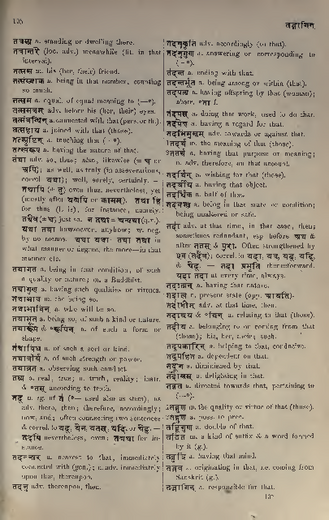
táthā ·adv. so, thus; also, likewise (±ca or api); as well, as truly (in asseverations, correl yathā); well, surely, certainly. --tathāpi (±tu) even thus, nevertheless, yet (mostly after yadyapi or kāmam). tathā hi for thus (it is), for instance, namely. tathaiva (±ca) just so. na tathā = anyathā (q.v.). yathā tathā howsoever, anyhow; w. neg. by no means. yathā yathā-tathā tathā in what manner or degree, the more -- in that manner etc.
Monier-Williams 1872 particle · Word type unspecified
Original text · English · particle
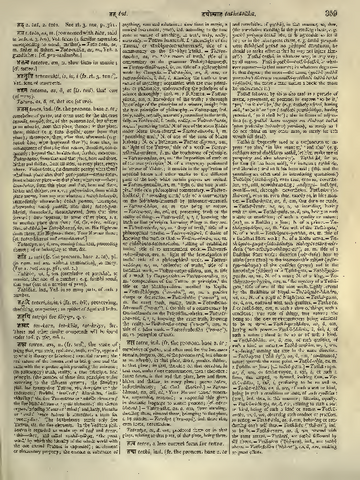
tathā tathā, ind. (fr. the pronom. base 2. ta and correlative of yathā), in that manner, so, thus, (the correlative standing in the preceding clause, e. g. yathā priyaṃ tathā'stu, as is agreeable so let it be; or in the subsequent clause, e. g. tathā prayat- nam ātiṣṭhed yathā na pīḍayed ātmānam, he should so make effort as that he may not injure him- self.) Yathā-tathā, in whatever way, in any way; by all means. Yathā-yathā — tathā-tathā, in what- ever manner — in that manner; in whatever degree — in that degree; the more — the more, (yathā yathā puruṣaḥ śāstraṃ samadhi-gacchati tathā tathā vi-jānāti, the more a man studies a book the more he understands it.)
Original text · English · Word type unspecified
Tathā followed by iti is also used as a particle of assent, agreement, or promise, to express ‘so be it,’ ‘yes,’ ‘so it shall be,’ &c. (e. g. tathety uktvā, having said, ‘so be it’ or ‘yes;’ tatheti prati-jñāya, having promised, ‘so it shall be’); also in forms of adjura- tion (e. g. yathā 'ham anyaṃ na cintaye tathā 'yam patatāṃ kṣudraḥ parāsuḥ, as surely as I do not think on any other man, so surely let this wretch fall dead).
Original text · English · Word type unspecified
Tathā is frequently used as a conjunction to ex- press ‘so also,’ ‘in like manner,’ ‘and also’ (e. g. sukhaṃ seved duḥkhaṃ tathā, let him make use of prosperity and also adversity). Tathā hi, for so, for thus (it has been said), for instance; tathā ca, and likewise; and so it has been said; (this and the preceding are often used in introducing quotations.) Tathāpi (tathā-api), even thus, even so, neverthe- less, yet, still, notwithstanding; yadyapi — tathāpi, even if — yet; although — nevertheless. Tathaiva (ta- thā-eva), even so, even thus, exactly so, in like man- ner.
Petersburger 1855 adverb
Original text · German · adverb
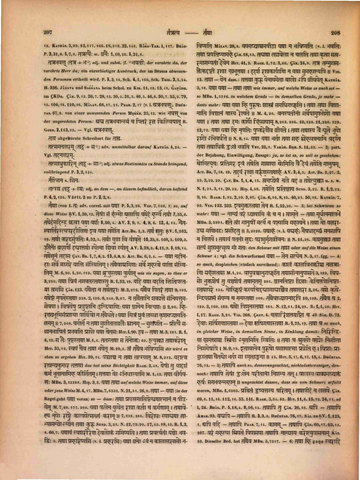
táthā (von 1. ta) adv. correl. mit yathā P. 5,3,26. VOP. 7,109. 1〉 so, auf diese Weise ṚV. 1,30,12. teṣā̱ṃ saṃ hànmo a̱kṣāṇi̱ yathe̱daṃ ha̱rmyaṃ tathā̀ ṚV. 7,55,6. tathedàsa̱dindra̱ kratvā̱ yathā̱ vaśàḥ ṚV. 8,50,4. AV. 3,9,1. AV. 4,8,6. AV. 12,4,14. naitasyārtirastyaparadīkṣiṇa eva yathā tatheti AIT. BR. 1,3. tathà ṛ̱tuḥ ṚV. 1,162,19. tathā̀ kara̱dvasùpatiḥ ṚV. 6,52,5. tathā̀ yu̱jā vi vā̀vṛte ṚV. 10,33,9. ṚV. 10,108,2. ṚV. 10,109,3. u̱tainā̀ṃ vra̱ḥmaṇè dadyā̱ttathā̀ syo̱nā śi̱vā syā̀t AV. 3,28,2. AV. 4,11,9. AV. 5,18,14. tathennūnaṃ tadāsa ŚAT. BR. 1,7,4,3. ŚAT. BR. 13,4,3,3. AIT. BR. 6,2. AIT. BR. 6,4. — yathā nadīnadāḥ sarve sāgare yānti saṃsthitim . tathaivāśramiṇaḥ sarve gṛhasthe yānti saṃsthitim M. 6,90. M. 1,30. M. 1,119. yathā brū yustathā kuryāt wie sie sagen, so thue er M. 3,253. yathā priyaṃ bhagavatastathāstu R. 1,52,19. yadi yathā vadati kṣitipastathā tvamasi ŚĀK. 123. yathaitā na tathetarāḥ M. 3,276. yathaiva pitaraṃ tathā M. 9,105. yatheṣṭaṃ nṛpatestathā M. 228. M. 2,126. M. 8,340. M. 9,87. na tathaitāni śakyante saṃniyantumasevayā . viṣayeṣu prajuṣṭāni (indriyāṇi) yathā jñānena nityaśaḥ .. M. 2,96. hiraṇyabhūmisaṃprāptyā pārthivo na tathaidhate . yathā mitraṃ dhruvaṃ labdhvā kṛśamapyāyatikṣamam .. M. 7,208. gharmārtaṃ na tathā suśītalajalaiḥ snānam — sukhayati — prītyai sajjanabhāṣitaṃ prabhavati prāyo yathā cetasaḥ HIT. I, 90. iva — tathā M. 3,181. R. 1,4,12. sa taiḥ pṛṣṭastathā M. 1,4. tatastathā sa tenoktaḥ M. 60. ityuktvā tathākarot HIT. 35,12. svayaṃ caiva tathā bhavet M. 10,2. tvaṃ tathaiva bhaviṣyasi dir wird es eben so ergehen HIT. 39,14. paścācca na tathā tatsyāt M. 8,212. yadāttha rājanyakumāra tattathā das hat seine Richtigkeit RAGH. 3,48. yeṣāṃ tu yādṛśaṃ karma bhūtānāmiha kīrtitam . tattathā vo 'bhidhāsyāmi M. 1,42. tathā vīryavantaḥ MBH. 3,12288. HIḌ. 3,3. yathā tathā auf welche Weise immer, auf diese oder jene Weise M. 4,17. MBH. 7,6332. N. 21,31. N. 26,9. tathā — yathā (in der Regel geht yathā voran) so — dass: tathā prayatnamātiṣṭhedyathātmānaṃ na pīḍayet M. 7,68. M. 7,177. M. 7,200. yathā phalena yujyeta rājā kartā ca karmaṇām . tathāvekṣya nṛpo rāṣṭre kalpayetsatataṃ karān .. M. 7,128. M. 7,180. virodhaḥ syādyathā tābhyāmanyo 'nyena tathā kuru SUND. 3,21. N. 12,79. N. 12,90. N. 17,42. N. 18,15. R. 1,2,8. R. 1,2,60. R. 1,2,7. yathāyaṃ svaśarīreṇa devalokaṃ gamiṣyati . tathā pravartyatāṃ yajño bhavadbhiḥ R. 1,2,3. tathā prahariṣyasi (v. l. praharasi) yathā jano 'yaṃ na kālāntarakṣamo bhaviṣyati MĀLAV. 28,8. vayamapyāśramapīḍā yathā na bhaviṣyati (v. l. bhavati) tathā prayatiṣyāmahe ŚĀK. 18,13. tadyathā lagnavelā na calati tathā kṛtvā satvaramāgamyatāṃ devena HIT. 41,3. RAGH. 1,72. RAGH. 3,66. ŚĀK. 24,8. tatra tanmukhasaktaikadṛṣṭī rājā hyabhūttathā . dadarśa rājakāryāṇi na yathā sumahāntyapi .. VID. 13. tathā — yena dass.: tattathā kuru yenāyametā bālo 'pi jīvayet KATHĀS. 3,18. yathā yathā — tathā tathā wie immer, auf welche Weise es auch sei — so MBH. 1,5316. in welchem Grade — in demselben Grade, je mehr — desto mehr: yathā yathā hi puruṣaḥ śāstraṃ samadhigacchati . tathā tathā vijānāti vijñānaṃ cāsya rocate .. M. 4,20. vanaspatīnāṃ sarveṣāmupabhogo yathā yathā . tathā tathā damaḥ kāryo hiṃsāyām M. 8,285. M. 8,286. M. 10,128. M. 11,228. M. 11,229. M. 12,73. yathā yathā hi nṛpatiḥ puṣkareṇaiva jīyate . tathā tathāsya vai dyūte bhūyo rāgo 'bhivardhate .. N. 8,14. yathā yathā bhartā tayā saha snehavacanāni vadati tathā tathādhikaṃ duḥkhaṃ bhavati VET. 25,1. VARĀH. BṚH. S. 11,33. — 2〉 part. der Bejahung, Einwilligung, Zusage: ja, so ist es, so soll es geschehen: omityṛcaḥ pratigara evaṃ tatheti gāthāyā omiti vai daivaṃ tatheti mānuṣam AIT. BR. 7,18. AIT. BR. 7,19. tada̱yaṃ rājā̱ varùṇa̱stathāhà AV. 3,4,5. AIT. BR. 1,27. AIT. BR. 2,25. AIT. BR. 3,22. AIT. BR. 3,29. ŚAT. BR. 1,1,4,15. tvamapyevaṃ nale vada .. tathetyuktvā u. s. w. N. 1,31. N. 3,11. N. 3,20. N. 3,22. HIḌ. 4,59. tatheti pratijñāya SUND. 3,22. R. 1,2,22. R. 1,9,10. RAGH. 1,92. RAGH. 2,59. RAGH. 3,67. ŚĀK. 6,16. ŚĀK. 8,15. ŚĀK. 40,21. ŚĀK. 50,18. KATHĀS. 7,93. VID. 152. VID. 232. evamuktastathā tena R. 1,52,20. — 3〉 bei Schwüren so wahr: yathā — nānyaṃ varaṃ dhyāyāmi kaṃ ca na . tvāmṛte — tathā mūrdhānamālabhe MBH. 5,5991. ṛte tvāṃ mānuṣīṃ martyaṃ na paśyāmi mahāvane . tathā no yakṣarāḍadya maṇibhadraḥ prasīdatu .. MBH. 3,2529. yathāhaṃ (v. l. yadyahaṃ) naiṣadhādanyaṃ manasāpi na cintaye . tathāyaṃ patatāṃ kṣudraḥ parāsurmṛgajīvanaḥ .. N. 11,36. kathamuktvā tathā satyaṃ suptāmutsṛjya māṃ gataḥ den Schwur mit tathā oder auf die Weise einen Schwur N. 4; vgl. die Schwurformel yathā — tena satyena N. 5,17. fgg. — 4〉 so auch, desgleichen (einfach anreihend): kālaṃ kālavibhaktīśca nakṣatrāṇi grahāṃstathā M. 1,24. vāyuvaccānugacchati tathāsīnānupāsate M. 3,189. vighaso bhuktaśeṣaṃ tu yajñaśeṣaṃ tathāmṛtam M. 285. jñānaniṣṭhā dvijāḥ kecittaponiṣṭhāstathāpare M. 134. nocchiṣṭaṃ kasyaciddadyānnādyāccaiva tathāntarā M. 2,56. vaśe kṛtvendriyagrāmaṃ saṃyamya ca manastathā M. 100. tathaivādhyāpanādapi M. 10,109. tathaiva ca M. 2,123. M. 3,160. M. 3,162. atho piśunastathā M. 161. N. 12,81. N. 24,28. R. 1,1,40. HIT. I, 17. RAGH. 3,21. VID. 268. ŚRUT. 4. catvāriṃśattathāṣṭau ca 48 SĀH. D. 75. devāḥ sarṣigaṇāstathā = devā ṛṣigaṇāstathā R. 1,75,19. tathā ca so auch, in gleicher Weise, in demselben Sinne, in Einklang damit: nirindriyā hyamantrāśca striyo 'nṛtamiti sthitiḥ .. tathā ca śrutayo bahvyo nigītā nigameṣvapi . M. 9,19. etāvāneva puruṣo yajjāyātmā prajeti ha . viprāḥ prāhustathā caitadyo bhartā sā smṛtāṅganā .. M. 45. HIT. 5,17. HIT. 6,17. HIT. 18,4. DHŪRTAS. 76,12. — 5〉 tathāpi auch so, dessenungeachtet, nichtsdestoweniger, dennoch: tathāpi tepāṃ duḥkhena parītānāṃ niśamya tat . bālasya vākyamavyaktaṃ harṣaḥ samabhavanmahān .. ungeachtet dessen, dass sie von Schmerz erfüllt waren, MBH. 1,6203. prathitaṃ duṣyantasya caritam . tathāpīdaṃ na lakṣaye ŚĀK. 69,8. ŚĀK. 11,16. ŚĀK. 112,10. ŚĀK. 112,53. ŚĀK. 112,141. RAGH. 3,34. RAGH. 3,62. HIT. 11,6. HIT. 15,12. HIT. 24,11. ad HIT. I, 24. BHĀG. P. 5,18,4. BHĀG. P. 8,16,14. tathāpi tu ŚĀK. 26,10. api — tathāpi AMAR. 93. yadyapi — tathāpi R. 3,3,3. DHŪRTAS. 76,17. SĀY._zu_ṚV. 1,125,1. api yadi — tathāpi PRAB. 7,14. kāmam — tathāpi ŚĀK. 60,17. ŚĀK. 60,63. ŚĀK. 60,18. ŚĀK. 60,107. varaṃ mahatyā mriyate pipāsayā tathāpi nānyasya karotyupāsanām CĀT. 10. Dieselbe Bed. hat tathaiva MBH. 5,7317. — 6〉 tathā hi gaṇa svarādi zu P. 1,1,37. denn so (verhält es sich), nämlich, hinweisend auf das, was das eben Gesagte begründet, erklärt, weiter ausführt: taṃ vedhā vidadhe nūnaṃ mahābhūtasamādhinā . tathā hi sarve tasyāsanparārthaikaphalā guṇāḥ .. RAGH. 1,29. ŚĀK. 31. ŚĀK. 6,5. ŚĀK. 16. ŚĀK. 20. ŚĀK. 23,6. ŚĀK. 26. ŚĀK. 17. ŚĀK. 32,20. ŚĀK. 34,14. ŚĀK. 36,5. ŚĀK. 46,8. ŚĀK. 69,3. ŚĀK. 78,19. ŚĀK. 79,17. ŚĀK. 80,8. ŚĀK. 37,5, v. l. für yatas. BHŪRTAS. 69,6. BHŪRTAS. 73,12. BHŪRTAS. 92,12. astyatra pratyayo mama .. tathā hi u. s. w. KATHĀS. 2,68. SĀH. D. 4,4. ittham a i u ṛ eṣāṃ varṇānāṃ pratyekamaṣṭādaśa bhedā bhavanti . tathā hi . hrasvodāttaḥ . hrasvānudāttaḥ u. s. w. Sch. zu P. 1,2,32 in der Calc. Ausg. MADHUS._in_Ind. St. 1,13,4. so zum Beispiel H. 15. tathā allein ohne hi in der Bed. nämlich: kiṃ nu syānmātalirayaṃ devarājasya sārātheḥ . tathā tallakṣaṇaṃ vīre vāhuke dṛśyate mahat .. N. 19,25. — Die Lexicogrr. geben folgende Bedd. an: sāmye AK. 3,5,9. H. an. 7,28. sadṛśe MED. avy. 36. niścaye, pṛṣṭaprativākye, samuccaye H. an. MED. abhyupagame MED. hetūpapattau, uddeśe, nirdeśe H. an. — Vgl. atatha, yathātatham, vitatha.
Böhtlingk 1879 adverb
Original text · German · adverb
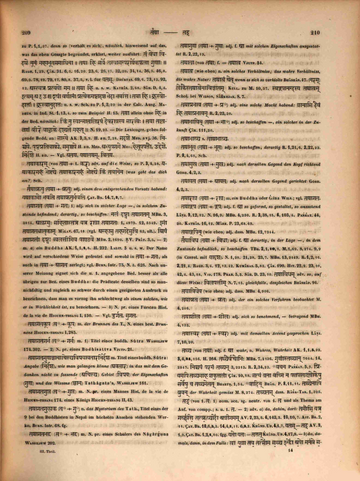
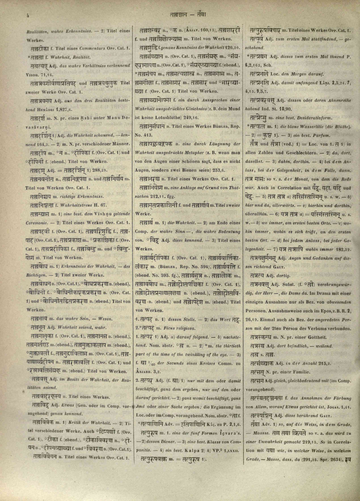
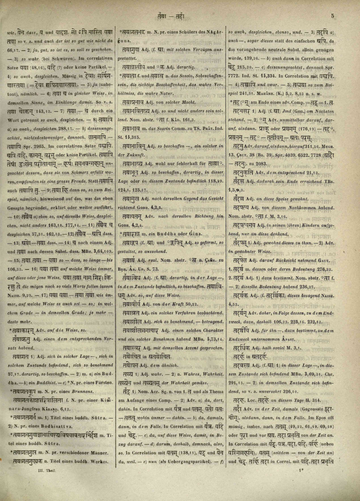
táthā Adv. — 1〉 so, auf die Weise, in dem Grade, — Maasse. tanna tathā kriyate so v. a. das wird zu einer Unwahrheit gemacht Chr. 219,15. So in Correlation mit yathā wie, in welcher Weise, in welchem Grade, — Maasse, dass, da (Chr. 291,25. Spr. 2634), iva. [Page3-005-a] wie, yena dass, ya und yādṛśa so 'pi nāsti yathā tathā so v. a. und auch der ist so gut wie nicht da Chr. 66,17. — 2〉 ja, gut, so ist es, so soll es geschehen. — 3〉 so wahr (bei Schwüren). Im correlativen Satze yathā (Chr. 48,16), yadi (?) oder keine Partikel. — 4〉 so auch, desgleichen. Müssig in devāḥ sarṣigaṇāstathā (= devā ṝṣigaṇāstathā). — 5〉 ja (unbetont), nämlich. — 6〉 tathā ca in gleicher Weise, in demselben Sinne, im Einklange damit. So v. a. tathā coktam Chr. 143,13. — 7〉 tathā — ca durch ein Wort getrennt so auch, desgleichen. — 8〉 tathāpi — a〉 so auch, desgleichen Chr. 288,17. — b〉 dessenungeachtet, nichtsdestoweniger, dennoch. jānannapi — tathāpi Spr. 2965. Im correlativen Satze yadyapi, api yadi, kāmam, varam oder keine Partikel. tathāpi teṣāṃ duḥkhena parītānām — harṣaḥ samabhavanmahān ungeachtet dessen, dass sie von Schmerz erfüllt waren, empfanden sie eine grosse Freude. Statt tathāpi auch tathāpi tu. — 9〉 tathā hi denn so, so zum Beispiel, nämlich, hinweisend auf das, was das eben Gesagte begründet, erklärt oder weiter ausführt. — 10〉 tathaiva eben so, auf dieselbe Weise, desgleichen, nicht anders Chr. 163,18. Chr. 177,14. — 11〉 tathaiva ca desgleichen Chr. 37,31. Chr. 162,13. — 12〉 tathaiva — api dass. — 13〉 atho — tathā dass. — 14〉 ca nach einem Adj. und tathā nach dessen Subst. dass. MBH. 3,64,109. — 15〉 tathā tathā — yathā so — dass, so lange — bis Chr. 106,33. — 16〉 yathā tathā auf welche Weise immer, auf diese oder jene Weise. yathā tathā nāma giraḥ kirantu te die mögen noch so viele Worte fallen lassen NAIṢ. 9,29. — 17〉 yathā yathā — tathā tathā wie immer, auf welche Weise es auch sei — so; in welchem Grade — in demselbem Grade; je mehr — desto mehr.
Apte 1890 substantive feminine
Original text · English · substantive feminine
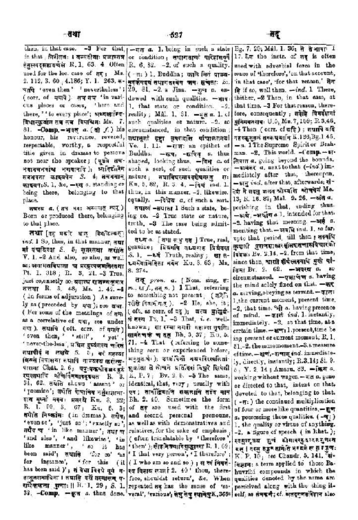
tathā [tad prakāre thāl vibhaktitvāt] ind. 1 So, thus, in that manner; tathā māṃ vaṃcayitvā Ś. 5; sūtastathā karoti V. 1. 2 And also, so also, as well as; anāgatavidhātā ca pratyutpannamatistathā Pt. 1. 318; R. 3. 21. 3 True, just so, exactly so; yadāttha rājanyakumāra tattathā R. 3. 48; Ms. 1. 42. 4 (In forms of adjuration) As surely as (preceded by yathā); see yathā. (For some of the meanings of tathā as a correlative of yathā, see under yathā). tathāpi (oft. corr. of yadyapi) ‘even then,’ ‘still’, ‘yet’, ‘never-the-less’, prathita duṣyaṃtasya caritaṃ tathāpīdaṃ na lakṣaye Ś. 5; varaṃ mahatyā mriyate pipāsayā tathāpi nānyasya karotyupāsanā Chāt. 2. 6; vapuḥprakarṣādajayadruruṃ raghustathāpi nīcairvinayādadṛśyata R. 3. 34, R. 3. 62. tatheti shows ‘assent’ or ‘promise’; tatheti śeṣāmiva bharturājñāmādāya mūrdhnā madanaḥ pratasthe Ku. 3. 22; R. 1. 92, R. 3. 67; Ku. 6. 3; tatheti niṣkrāṃtaḥ (in dramas). tathaiva; ‘even so’, ‘just so’; ‘exactly so’; tathaiva ca ‘in like manner’; tathā ca ‘and also’, ‘and likewise’, ‘in like manner’, ‘so it has been said’; tathāhi ‘for so’ ‘as for instance’, ‘for this (it has been said)’; taṃ vedhā vidadhe nūnaṃ mahābhūtasamādhinā . tathāhi varse tasyāsam parārthaikaphalā guṇāḥ .. R. 1. 29; Ś. 1. 32. Comp. — kṛta a. thus done. ([Page 0527-b]) — gata a. 1 being in such a state or condition; tathāgatāyāṃ parihāsapūrvaṃ R. 6. 82. 2 of such a quality. — (taḥ) 1 Buddha; kāle mitaṃ vākyamudarkapaśyaṃ tathāgatasyeva janaḥ sucetāḥ Śi. 20. 81. 2 a Jina. — guṇa a. endowed with such qualities. — bhāvaḥ 1 that state or condition. 2 reality; Māl. 1. 31. — bhūta a. 1 of such qualities or nature. 2 so circumstanced, in that condition; tathābhūtāṃ dṛṣṭvā nṛpasadasi pāṃcālatanayāṃ Ve. 1. 11. — rājaḥ an epithet of Buddha. — rūpa, -rūpin a. thus shaped, looking thus. — vidha a. of such a sort, of such qualities or nature; tathāvidhastāvadaśeṣamastu saḥ Ku. 5. 82, R. 3. 4. — vidhaṃ ind. 1 thus, in this manner. 2 likewise. equally. — vidheya a. of such a sort.
Cappeller 1887 adverb
Original text · German · adverb
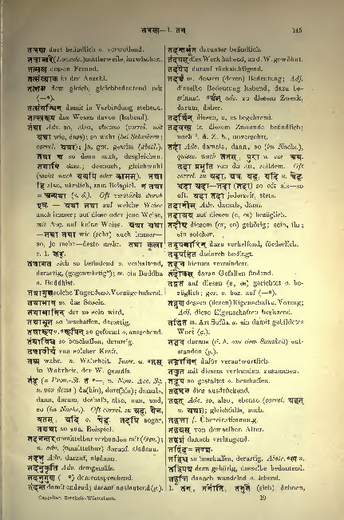
tathā́ Adv. so, also, ebenso (correl. mit yathā wie, dass); so wahr (bei Schwüren; correl. yathā); ja, gut, gewiss (absol.) tathā ca so denn auch, desgleichen. tathāpi dass.; dennoch, gleichwohl (meist nach yadyapi oder kāmam). tathā hi also, nämlich, zum Beispiel. na tathā -anyathā (s. d.) Oft verstärkt durch eva. —yatha tathā auf welche Weise auch immer; auf diese oder jene Weise, mit Neg. auf keine Weise. yathā yathā — tathā tathā wie (sehr) auch immer— so, je mehr—desto mehr. tathā kṛtvā s. 1. kar.
Burnouf 1866 adverb
Original text · French · adverb
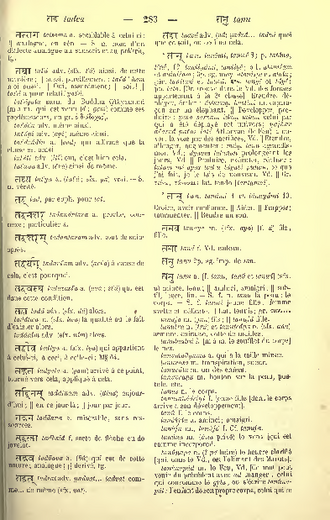
tathā tathā adv. (sfx. thā) ainsi, de cette manière; aussi, pareillement: tathā' ham moi aussi. Oui, assurément; soit! tathā a pour relatif yathā. tathāgata surn. du Buddha Śākyamuni [m à m. qui est venu (ā; gam) comme ses prédécesseurs, en gr. ὁ διάδοχος]. tathāca adv. même ainsi. tathāpi adv. (api) même ainsi. tathāvādin a. (vad) qui affirme que la chose est ainsi. tatheti adv. (iti) oui, c'est bien cela. tathaiva adv. (eva) ainsi de même.
Derived words
Occurrences in source texts (145)
DYS 19 occurrences
DYS 27–31: Survey of Haṭha 4 occurrences
Direct occurrences
5 more source pages
DYS 98–100: Siddhis 4 occurrences
Direct occurrences
DYS 154–167: Vajrolī for the Male Yogi 3 occurrences
Direct occurrences
GoS 14 occurrences
GoS 12–15: Moderate Eating and a Steady Seat 2 occurrences
Direct occurrences
GoS 81–88: Moon, Fluid and Union 3 occurrences
Direct occurrences
HP 36 occurrences
HP 1.33-1.43: Siddhāsana 3 occurrences
Direct occurrences
17 more source pages
HP 2.15-2.20: Correct Practice 2 occurrences
Direct occurrences
HP 2.60-2.68: Bhastrikā 3 occurrences
Direct occurrences
HP 3.87-3.93*7: Sahajolī and Amarolī 2 occurrences
Direct occurrences
HP 4.0*1-4.0*14: Samādhi and Laya 2 occurrences
Direct occurrences
HP 4.11*15-4.11*28: Space and Laya 3 occurrences
Direct occurrences
-
HP 4.11*16 Segment 16
-
HP 4.11*22 Segment 5
-
HP 4.11*24 Segment 8
HP 4.37-4.46: Listening to Nāda 2 occurrences
Direct occurrences
HTK 9 occurrences
HTK 10.11*2–14*1: Bhastrikā: Breath like a bellows 2 occurrences
Direct occurrences
HTK 10.26–29*1: Cakra, Śaṅkha, Vāmāvartta, Vartmagati and Gadā 2 occurrences
Direct occurrences
-
HTK 10.26 Segment 19
-
HTK 10.27*1 Segment 7
HTK 10.34*2–38*1: Asvaṅgaśṛṅkhalā and Kumbhāntaraśṛṅkhalā 2 occurrences
Direct occurrences
PJH 1 occurrence
PYS 1 occurrence
SiSa 56 occurrences
SiSa 1.4-1.9: Begrenzte Wege 4 occurrences
Direct occurrences
SiSa 1.35-1.44: Täuschungs-Gleichnisse 9 occurrences
Direct occurrences
SiSa 1.45-1.50: Rückkehr zum Bewusstsein 2 occurrences
Direct occurrences
SiSa 1.51-1.64: Selbst als Licht 3 occurrences
Direct occurrences
20 more source pages
SiSa 1.71-1.81: Avidyā und Elemente 3 occurrences
Direct occurrences
SiSa 1.82-1.90: Guṇas und Gegenstände 2 occurrences
Direct occurrences
SiSa 3.17-3.20: Praxisbeginn 3 occurrences
Direct occurrences
SiSa 3.51-3.54: Prāṇāyāma-Siddhis 2 occurrences
Direct occurrences
SiSa 3.61-3.67: Paricaya und Niṣpatti 4 occurrences
Direct occurrences
SiSa 4.9-4.20: Yonimudrā-Geheimnis 3 occurrences
Direct occurrences
SiSa 5.6-5.9: Dharma-Hindernisse 2 occurrences
Direct occurrences
SiSa 5.113-5.120: Anāhata 2 occurrences
Direct occurrences
-
SiSa 5.118 Segment 7
-
SiSa 5.118 Segment 15
SiSa 5.234-5.252: Tripurā-Mantra 3 occurrences
Direct occurrences
-
SiSa 5.244 Segment 3
-
SiSa 5.248 Segment 1
-
SiSa 5.250 Segment 3
SS 1 occurrence
SVU 3 occurrences
VBT 5 occurrences
Continue with AYI Free
Image source: AYI archive.