

deha देह – Körper
Substantiv Maskulin · Substantiv Neutrum · Worttyp nicht bestimmt
Wörterbuchquellen
AYI Wörterbuch Substantiv Maskulin · Substantiv Neutrum
Cappeller 1891 Substantiv Maskulin · Substantiv Neutrum
Originaltext · Englisch · Substantiv Maskulin · Substantiv Neutrum
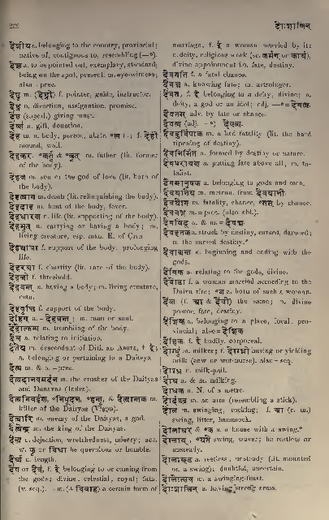
deha ·m. n. body, person, abstr. °tva n.; f. dehī́ mound, wall.
Monier-Williams 1872 Substantiv Maskulin · Substantiv Neutrum
Originaltext · Englisch · Substantiv Maskulin · Substantiv Neutrum
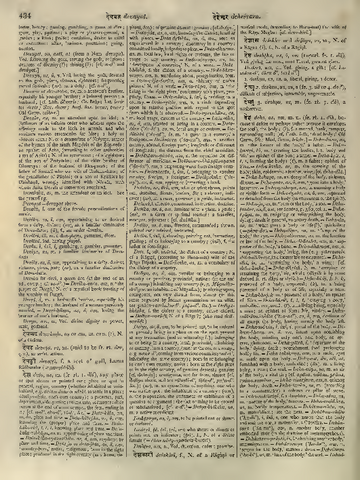
deha deha, as, am, m. n. (fr. rt. 1. dih, be- cause it defiles or perhaps rather because it envelopes the soul), the body; (ī), f. a mound, bank, rampart, surrounding wall; [cf. Goth. leik, ‘dead body;’ Old Germ. līh; Mod. Germ. leiche.]
Petersburger 1855 Substantiv Maskulin · Substantiv Neutrum · Worttyp nicht bestimmt
Originaltext · Deutsch · Substantiv Maskulin · Substantiv Neutrum
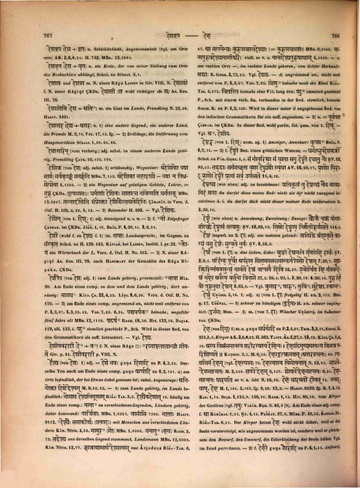
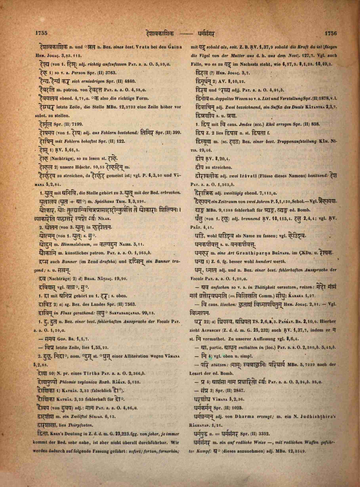
deha (von dih) 1〉 m.n. gaṇa ardharcādi zu P. 2,4,31. TRIK. 3,5,11. SIDDH. K. 251,b,5. Körper AK. 2,6,2,22. H. 563. TAITT. ĀR. 1,27,5. TAITT. ĀR. 1,10,13. KĀTY. ŚR. 1,6,18. asya visraṃsamānasya śarīrasthasya dehinaḥ . dehādvimucyamānasya kimatra pariśiṣyate .. KAṬHOP. 5,4. M. 6,40. dehādutkramaṇam (antarātmanaḥ) M. 63. tyajannimaṃ deham (vgl. dehatyāga) 78. dehasyāsya vimocanāt N. 12,64. sādhayeddehamātmanaḥ M. 2,248. kṣapayeddeham M. 5,157. śoṣayeddehamātmanaḥ M. 6,24. dehamātmanaḥ dhārayati so v. a. lebt N. 16,16. dehaṃ dhārayatīṃ dīnam N. 14. manas, vāc, deha M. 1,104. fg. M. 5,165. M. 9,29. fg. M. 12,3. — HARIV. 8159. fg. R. 1,4,12. KAP. 1,14. SUŚR. 1,124,9. SUŚR. 1,150,10. RAGH. 1,13. HIT. 40,18. vom Körper der Gestirne (vgl. tanu) VARĀH. BṚH. S. 46,8 (9). Am Ende eines adj. comp. f. ā KUMĀRAS. 1,21. ṚT. 4,14. PAÑCAT. 37,6. MĀRK. P. 43,52. CAURAP. 21. RĀJA-TAR. 6,21. Der Körper heisst deha wohl nicht daher, weil er die Seele verunreinigt, wie angenommen worden ist, sondern weil er gleichsam den Bewurf, den Umwurf, die Ueberkleidung der Seele bildet. Vgl. im Zend pairidaeza. — 2〉 f. dehī́ gaṇa gaurādi zu P. 4,1,41. Aufwurf, Damm, Wall: yo de̱hyo̱3̱̀ anàmayadvadha̱snaiḥ ṚV. 7,6,5. vi nàva̱tiṃ navà ca de̱hyo̱3̱̀ han ṚV. 6,47,2.
Originaltext · Deutsch · Worttyp nicht bestimmt
deha 1〉 so v. a. Person Spr. (II) 3763.
Böhtlingk 1879 Substantiv Maskulin · Substantiv Neutrum · Worttyp nicht bestimmt
Originaltext · Deutsch · Substantiv Maskulin · Substantiv Neutrum
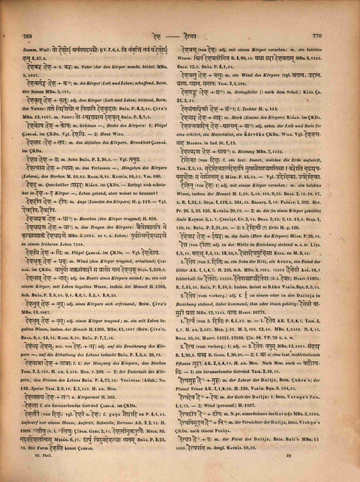
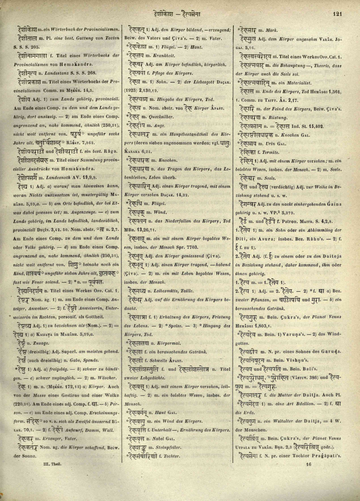
deha — 1〉 m. n. (MṚCCH. 172,15) — a〉 Körper. Auch von der Masse eines Gestirns und einer Wolke (Chr. 220,20). Am Ende eines adj. Comp. f. ā. — b〉 Person. — c〉 am Ende eines adj. Comp. Erscheinungsform. saṃdeha˚ so v. a. sich als Zweifel äussernd BĀLAR. 70,1. — 2〉 f. dehī́ Aufwurf, Damm, Wall.
Originaltext · Deutsch · Worttyp nicht bestimmt
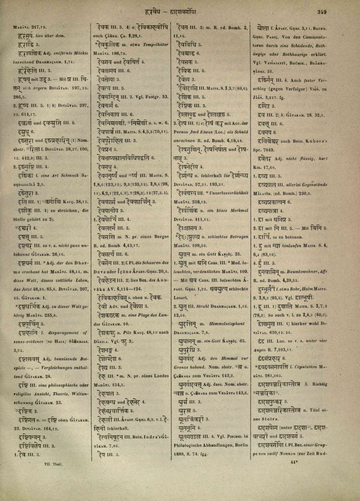
deha III. *m. N. pr. eines Landes MAHĀVY. 154,3. [Nachtrag, Band 7]
Apte 1890 Substantiv Maskulin · Substantiv Neutrum
Originaltext · Englisch · Substantiv Maskulin
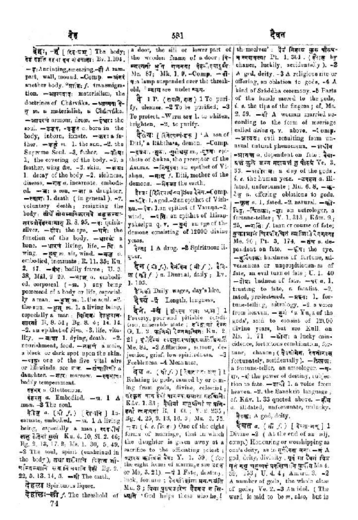
dehaḥ, -haṃ [diha-ghañ] The body; dehaṃ dahaṃti dahanā iva gaṃdhavāhāḥ Bv. 1. 104. — haḥ Anointing, smearing. — hī A rampart, wall, mound. Comp. — aṃtaraṃ another body. ˚prāptiḥ f. transmigration. — ātmavādaḥ materialism, the doctrines of Cārvāka. — ātmavādin m. a materialist, a Cārvāka. — āvaraṇaṃ armour, dress. — īśvaraḥ the soul. — udbhava, -udbhūta a. born in the body, inborn, innate. — karaḥ a father. — kartṛ m. 1 the sun. 2 the Supreme Soul. 3 father. — koṣaḥ 1 the covering of the body. 2 a feather, wing &c. 3 skin. — kṣayaḥ 1 decay of the body. 2 sickness, disease. — gata a. incarnate, embodied. — jaḥ a son. — jā a daughter. — tyāgaḥ 1 death (in general). 2 voluntary death; resigning the body; tīrtheṃ toyavyatikarabhave jahnukanyāsarayvordehatyāgāt R. 8. 95. — daḥ quicksilver. — dīpaḥ the eye. — dharmaḥ the function of the body. — dhārakaṃ a bone. — dhāraṇaṃ living, life. — dhiḥ a wing. — dhṛṣ m. air, wind. — baddha a. embodied, incarnate; R. 11. 35: Ku. 2. 47. — baṃdhaḥ bodily frame; U. 3. 38, Māl. 9. 20. — bhāj a. embodied, corporeal. ( — m.) any being possessed of a body or life, especially a man. — bhuj m. 1 the soul. 2 the sun. — bhṛt m. 1 a living being, especially a man; dhigimāṃ dehabhṛtāmasāratāṃ R. 8. 51; Bg. 8. 4; Bg. 14. 14. 2 an epithet of Śiva. 3 life, vitality. — yātrā 1 dying, death. 2 nourishment, food. — lakṣaṇaṃ a mole, a black or dark spot upon the skin. — vāyuḥ one of the five vital airs or lifewinds; see prāṇa. — saṃcāriṇī a daughter. — sāraḥ marrow. — svabhāvaḥ bodily temperament.
Originaltext · Englisch · Substantiv Maskulin · Substantiv Neutrum
dehaḥ, -haṃ [diha-ghañ] The body; dehaṃ dahaṃti dahanā iva gaṃdhavāhāḥ Bv. 1. 104. — haḥ Anointing, smearing. — hī A rampart, wall, mound. Comp. — aṃtaraṃ another body. ˚prāptiḥ f. transmigration. — ātmavādaḥ materialism, the doctrines of Cārvāka. — ātmavādin m. a materialist, a Cārvāka. — āvaraṇaṃ armour, dress. — īśvaraḥ the soul. — udbhava, -udbhūta a. born in the body, inborn, innate. — karaḥ a father. — kartṛ m. 1 the sun. 2 the Supreme Soul. 3 father. — koṣaḥ 1 the covering of the body. 2 a feather, wing &c. 3 skin. — kṣayaḥ 1 decay of the body. 2 sickness, disease. — gata a. incarnate, embodied. — jaḥ a son. — jā a daughter. — tyāgaḥ 1 death (in general). 2 voluntary death; resigning the body; tīrtheṃ toyavyatikarabhave jahnukanyāsarayvordehatyāgāt R. 8. 95. — daḥ quicksilver. — dīpaḥ the eye. — dharmaḥ the function of the body. — dhārakaṃ a bone. — dhāraṇaṃ living, life. — dhiḥ a wing. — dhṛṣ m. air, wind. — baddha a. embodied, incarnate; R. 11. 35: Ku. 2. 47. — baṃdhaḥ bodily frame; U. 3. 38, Māl. 9. 20. — bhāj a. embodied, corporeal. ( — m.) any being possessed of a body or life, especially a man. — bhuj m. 1 the soul. 2 the sun. — bhṛt m. 1 a living being, especially a man; dhigimāṃ dehabhṛtāmasāratāṃ R. 8. 51; Bg. 8. 4; Bg. 14. 14. 2 an epithet of Śiva. 3 life, vitality. — yātrā 1 dying, death. 2 nourishment, food. — lakṣaṇaṃ a mole, a black or dark spot upon the skin. — vāyuḥ one of the five vital airs or lifewinds; see prāṇa. — saṃcāriṇī a daughter. — sāraḥ marrow. — svabhāvaḥ bodily temperament.
Cappeller 1887 Substantiv Maskulin · Substantiv Neutrum
Originaltext · Deutsch · Substantiv Maskulin · Substantiv Neutrum
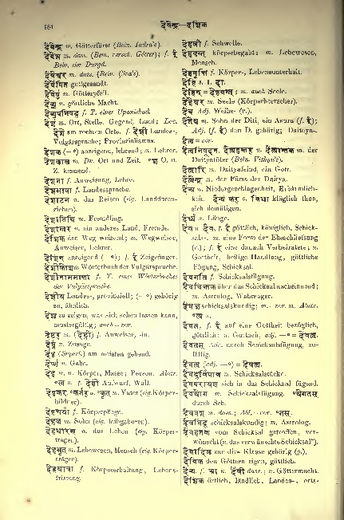
deha m. n. Körper, Masse; Person. Abstr. ˚tva n. f. dehī́ Aufwurf, Wall.
Burnouf 1866 Substantiv Maskulin · Substantiv Neutrum
Originaltext · Französisch · Substantiv Maskulin · Substantiv Neutrum
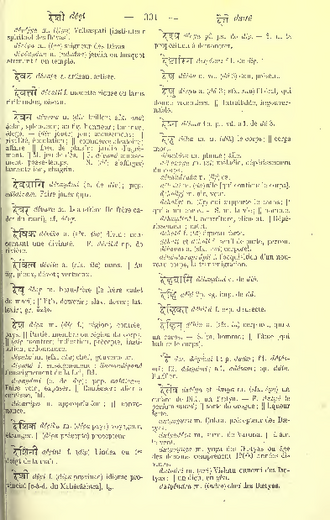
deha deha m. n. (dih) le corps; corps mort. dehakoṣa m. plume; aile. dehakṣaya m. (kṣi) maladie, dépérissement du corps. dehadhāraka n. (dhṛ) os. dehadhi m. (dhā) aile [qui contient le corps]. dehadhṛj m. air, vent. dehabhṛt n. (bhṛ) qui supporte le corps; qui a un corps. — S. m. la vie; homme. dehayātrā f. nourriture, aliment. Dépérissement; mort. dehalā f. (lā) liqueur forte. dehali et dehalī f. seuil de porte, perron. dehavat a. (sfx. vat) corporel. dehāntaraprāpti f. l'acquisition d'un nouveau corps, la transmigration.
Abgeleitete Wörter
Quelltextfundstellen (77)
DYS 7 Fundstellen
GoS 8 Fundstellen
GoS 89–94: Körper, Namen und Wirklichkeit 3 Fundstellen
Direkt belegt
HP 17 Fundstellen
Weitere 8 Quelltextseiten
HP 3.87-3.93*7: Sahajolī und Amarolī 2 Fundstellen
Direkt belegt
HTK 2 Fundstellen
PJH 2 Fundstellen
PYS 2 Fundstellen
SiSa 25 Fundstellen
SiSa 2.13-2.20: Suṣumṇā und Citrā 2 Fundstellen
Direkt belegt
Weitere 13 Quelltextseiten
SiSa 5.234-5.252: Tripurā-Mantra 2 Fundstellen
Direkt belegt
-
SiSa 5.248 Segment 4
-
SiSa 5.248 Segment 12
SVU 3 Fundstellen
VBT 11 Fundstellen
VBT 43–48: Körper als Raum 3 Fundstellen
Direkt belegt
Mit AYI Free weitermachen
Bildquelle: AYI Archiv.