

prāṇa प्राण – Atem; Lebenskraft
Adjektiv · Substantiv Maskulin · Worttyp nicht bestimmt
Wörterbuchquellen
AYI Wörterbuch Substantiv Maskulin
Atem; Lebenskraft
Herkunft
Cappeller 1891 Substantiv Maskulin
Originaltext · Englisch · Substantiv Maskulin
prāṇá ·m. breath, esp. vital breath, vitality; wind, esp. one of the winds in the human body; pl. life, the vital organs or organs of sensation.
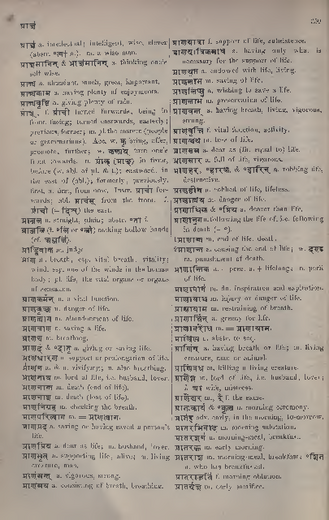
Monier-Williams 1872 Adjektiv · Substantiv Maskulin
Originaltext · Englisch · Adjektiv
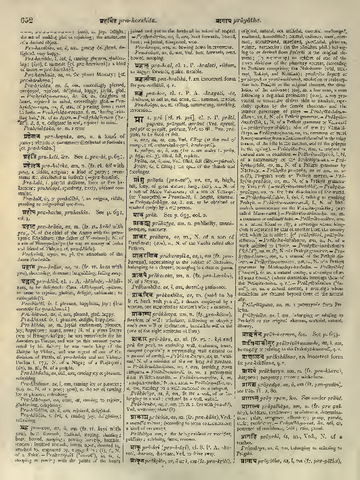
1. prāṇa, as, ā, am (for 2. see under 1. prāṇ, p. 654, col. 3), filled, full, replete.
Originaltext · Englisch · Substantiv Maskulin
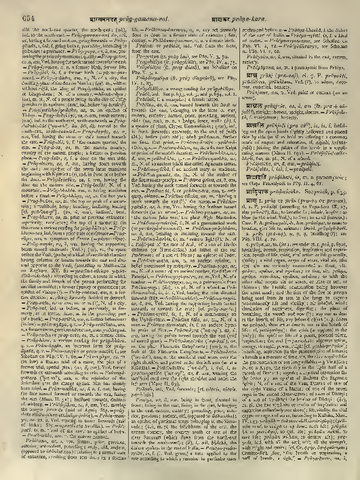
2. prāṇa, as, m. (for 1. see under rt. 1. prā, p. 652), breathing, breath, respiration, inspiration and expira- tion, breath of life, spirit, vital action or life generally, vitality; a vital organ, organ of sense, vital air, (the vital airs are variously enumerated as three, viz. prāṇa, apāna, and vy-āna; or five, viz. prāṇa, apāna, sam-āna, vy-āna, ud-āna; or with the other vital organs six or seven, or nine or ten, or thirteen; the fivefold enumeration being however the most usual; and the first of the five or prāṇa being used from its seat in the lungs to express pre-eminently life and vitality); air inhaled, wind; circulation of nutriment, digestion; the place of breathing, the mouth and nose (?); any one as dear as the breath of life, any beloved object (e. g. tvam me prāṇaḥ, thou art as dear to me as the breath of life; cf. pati-prāṇa); the spirit (as opposed to the body); the spirit or life of a poem, poetical talent, inspiration; the soul (= puruṣa); vigorous action, energy, strength, power, might [cf. yathā-prāṇām]; breathing, aspiration (in the pronunciation of letters); a breath as a measure of time, viz. the time required for the pronunciation of ten long syllables = (1/6) Vināḍikā; N. of a Kalpa, the sixth day in the light half of a month of Brahmā; myrrh; a mystical expression for the letter y; an epithet of Brahma the Supreme Spirit; N. of a son of the Vasu, Dhara; of one of the eight Vasus; of a Marut; of one of the seven sages in the second Manv-antara; of a son of Dhātṛ; of a son of Vi-dhātṛ the brother of Dhātṛ; (ās), m. pl. the five vital airs or modes of inspiration and expiration collectively (see above); life, vitality, the vital organs or organs of sense, (according to Kullūka, Manu IV. 143, prāṇāḥ = cakṣur-ādīnīndriyāṇi); (prā- ṇān muc, to resign or lay down one's life; prāṇān hā or pari-tyaj, to quit life; prāṇān rakṣ, to save life; prāṇān ni-han, to destroy life); prā- ṇais, ind. with all the soul, with all the strength, with might and main; [cf. Gr. φρήν, ὀσ-φραίνομαι; Cambro-Brit. fion, ‘the breath or respiration, a puff of breath, a sigh.’]
Petersburger 1855 Substantiv Maskulin · Worttyp nicht bestimmt
Originaltext · Deutsch · Substantiv Maskulin
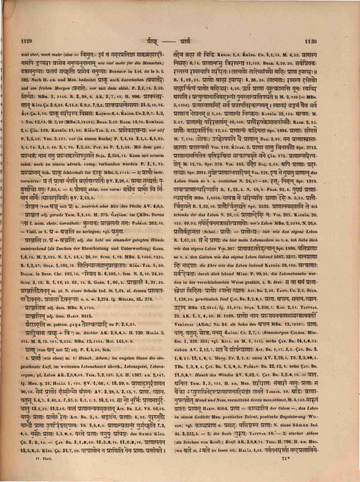
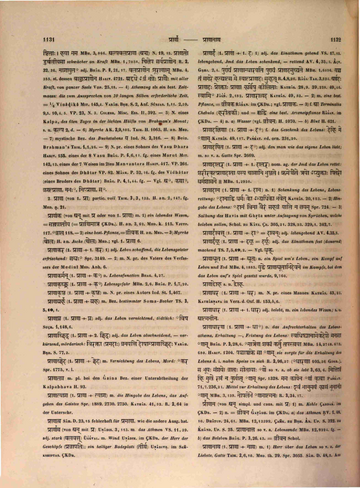
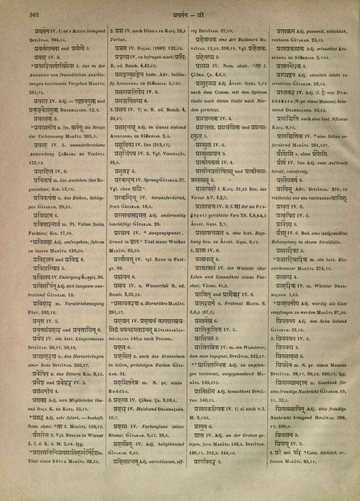
1. prāṇá (wie eben) m. 1〉 Hauch, Athem; im engsten Sinne die eingeathmete Luft, im weitesten Lebenshauch überh., Lebensgeist, Lebensorgan; pl. Leben AK. 2,8,2,88. TRIK. 3,3,133. TRIK. 3,5,6. H. 1367. H. an. 2,147. fg. MED. ṇ. 21. HALĀY. 1,134. ṚV. 1,66,1. ṚV. 10,59,6. prā̱ṇādvā̱yuràjāyata ṚV. 10,90,13. memaṃ prā̱ṇo hā̀sī̱nmo àpā̱naḥ AV. 2,28,3. AV. 3,15,7. prāṇa, vyāna, cakṣus AV. 5,4,7. AV. 6,41,2. AV. 7,53,3. AV. 8,1,1. AV. 8,1,3. AV. 10,2,13. sā no̱ bhūmìḥ prā̱ṇamāyùrdadhātu AV. 12,1,22. AV. 18,2,46. vātaṃ prāṇamanvavasṛjatāt AIT. BR. 2,6. VS. 16,10. vāyuḥ prāṇaḥ prāṇo retaḥ AIT. BR. 3,2. aṅgāni, prāṇāḥ AIT. BR. 4,23. pu̱rastā̱dvai nābhyaì prā̱ṇa u̱parìṣṭādapā̱naḥ TS. 3,4,1,4. prā̱ṇānpra̱jānā̱ṃ śugṛ̀cchati TS. 7,2,7,5. na̱soḥ prā̱ṇaḥ TS. 5,5,9,2. yaste prāṇaḥ paśuṣu praviṣṭaḥ des Soma KĀTY. ŚR. 2,8,14. — ŚAT. BR. 3,1,3,20. ŚAT. BR. 10,5,2,14. ŚAT. BR. 11,6,3,10. prāṇāyatana ŚAT. BR. 12,5,2,6. KĀTY. ŚR. 25,7,20. yatprāṇena na prāṇiti yena prāṇaḥ praṇīyate . tadeva brahma tvaṃ viddhi KENOP. 1,8. CHĀND. UP. 5,1,15. M. 4,23. prāṇasya nigrahaḥ M. 6,71. prāṇānapsu trirāyamya M. 11,149. BHAG. 4,29. BHAG. 4,30. sarvapriyakarastasya rāmasyāpi śarīrataḥ . lakṣmaṇo lakṣmisaṃpanno bahiḥ prāṇa ivāparaḥ .. R. 1,19,21. prāṇo bāhya ivāparaḥ R. 6,26,28. (lakṣmaṇaḥ) rāmasya dakṣiṇo vāhurnityaṃ prāṇo bahiścaraḥ R. 1,4,26. ūrdhvaṃ prāṇā hyutkrāmanti yūnaḥ sthavira āyati . pratyutthānābhivādābhyāṃ punastānpratipadyate .. M. 2,120 (= MBH. 5,1398). prāṇasyānnamidaṃ sarvaṃ prajāpatirakalpayat . sthāvaraṃ jaṅgamaṃ caiva sarvaṃ prāṇasya bhojanam .. MBH. 5,28. prāṇānāṃ niṣkramaḥ KATHĀS. 25,143. atyayaḥ M. 5,27. prāṇānāṃ parirakṣārtham M. 10,106. prāṇairupakrośamalīmasaiḥ RAGH. 2,53. prāṇaiḥ kaṇṭhavartibhiḥ RAGH. 12,54. prāṇānāṃ kaṭhinatā Spr. 1894. prāṇāḥ kṣīyante M. 7,112. (śokaḥ) ucchoṣayati vai prāṇān DAŚ. 2,65. mama prāṇāstrāsākrāntāḥ prayāntyamī VID. 119. CĀTAK. 2. prāṇā yāntu vibhāvasau Spr. 3713. prāṇānāmanilena vṛttirucitā satkalpavṛkṣe vane ŚĀK. 171. prāṇānparityajet M. 11,79. Spr. 570. VID. 183. jahau DAŚ. 1,50. api prāṇāḥ pradātavyāḥ Spr. 2911. muñcetprāṇānbhayādiyam VID. 121. eṣa me muñcatu prāṇān das Leben lösen so v. a. entziehen N. 24,27—N. 24,29. rakṣ, nihan Spr. 1319. yāvatprāṇāndhariṣyāmi R. 1,22,5. N. 18,9. PRAB. 92,6. puṇyaṃ prāṇāndhārayati MBH. 1,6056. yāvacca me dhariṣyanti prāṇā dehe N. 5,31. prāṇairviyujyate R. 1,32,19. prāṇairvimucyate Spr. 2532. prāṇānavasṛjāmi te ich schenke dir das Leben N. 26,22. prāṇāndehi naḥ VID. 207. KATHĀS. 20,153. KATHĀS. 20,49. KATHĀS. 20,92. tayordevanamatrāsītprāṇayoḥ umʼs Leben MBH. 2,2316. N. 26,6. prāṇairbahumatā (Schol.: prāṇaiḥ = prāṇebhyaḥ) lieb wie das eigene Leben R. 1,67,23. tvaṃ me prāṇaḥ du bist mein Lebensodem so v. a. ich liebe dich wie das eigene Leben VID. 307. prāṇavadrakṣayedbhṛtyān Spr. 1890. patiprāṇā so v. a. den Gatten wie das eigene Leben liebend Spr. 1687. Spr. 3237. mānaprāṇā hi mādṛśāḥ die Ehre wie das Leben liebend KATHĀS. 39,163. tvatprāṇāḥ sarvadevatāḥ durch dich lebend MĀRK. P. 99,29. die Lebenshauche werden in der verschiedensten Weise gezählt, z. B. drei: sa vā ayaṃ prāṇastredhā vihitaḥ prāṇo 'pāno vyānaḥ AIT. BR. 2,29. TAITT. UP. 2,2. SUŚR. 1,128,20. gewöhnlich fünf ŚAT. BR. 9,2,2,5. prāṇa, apāna, samāna, vyāna. udāna MBH. 12,6844. fg. MBH. 14,612. SUŚR. 1,250,7. KAP. 2,31. TATTVAS. 32. AK. 1,1,1,59. H. 1108. prāṇo nāma prāggamanavānnasāgrasthānavartī VEDĀNTAS. (Allah.) No. 54. als Sohn des apāna MBH. 12,12397. prāṇa, vāc, cakṣus, śrotra, manas CHĀND. UP. 2,7,1. (Sinnesorgan COLEBR. Misc. Ess. I, 339. COLEBR. Misc. Ess. I,355; vgl. KULL._zu_M. 4,143). sechs ŚAT. BR. 14,1,3,32. sieben AV. 2,12,7. sapta vai śīrṣanprāṇāḥ AIT. BR. 1,17. AIT. BR. 3,3. ŚAT. BR. 3,1,3,21. ŚAT. BR. 13,1,7,2. MUṆḌ. UP. 2,1,8. neun AV. 5,28,1. TS. 3,5,10,2. TBR. 1,3,7,4. ŚAT. BR. 1,5,2,5. PAÑCAV. BR. 22,12,5. zehn ŚAT. BR. 11,6,3,7. Hauch des Windes AV. 6,62,1. ŚAT. BR. 5,2,4,10. = vāta, anila TRIK. 3,3,133. H. an. MED. śarīrāntaḥ saṃcārī vāyuḥ prāṇaḥ sa caiko 'pyupādhibhedātprāṇāpānādisaṃjñāṃ labhate TARKAS. 10. adbhiḥ prāṇānupaspṛśet Mund und Nase, vermittelst deren man athmet, M. 4,143. mārutaṃ jagataḥ prāṇam HARIV. 6564. prāṇa = kāvyajīva der Odem —, das Leben in einem Gedicht MED. poetisches Talent, poetische Begeisterung WILSON; vgl. kāvyaprāṇa u. prasāda. vasiṣṭhasya prāṇaḥ N. eines Sāman Ind. St. 3,233,b. — 2〉 die Seele (puruṣa) TATTVAS. 18. — 3〉 starker Athem (als Zeichen von Kraft); Kraft AK. 2,8,2,71. TRIK. H. 796. H. an. MED. (wo bale st. 'bale zu lesen ist). HALĀY. 4,38. parvatabhārārtā mandaprāṇaviceṣṭitāḥ . hayā mama MBH. 3,866. alpabalaprāṇa (aśva) N. 19,15. prāṇato durbalīyasā schwächer an Kraft MBH. 1,7038. cikṣepa sarvaprāṇena R. 2,32,36. nāgāyuta˚ adj. BHĀG. P. 8,21,17. balaprāṇena śūrāṇām MBH. 4,355. st. dessen bāhuprāṇena HARIV. 4721. śraddadhe 'jaṃ bhajeḥ prāṇaiḥ mit aller Kraft, von ganzer Seele VOP. 25,18. — 4〉 Athemzug als ein best. Zeitmaass: die zum Aussprechen von 10 langen Silben erforderliche Zeit, = ¹⁄₆ Vināḍikā MIT. 145,4. VARĀH. BṚH. S. 2, Anf. SŪRYAS. 1,11. SŪRYAS. 2,59. SŪRYAS. 9,5. SŪRYAS. 10,4. SŪRYAS. 10,5. VP. 23, N. 3. COLEBR. Misc. Ess. II, 392. — 5〉 N. eines Kalpa, des 6ten Tages in der lichten Hälfte von Brahmanʼs Monat; s. u. kalpa 2,d. — 6〉 Myrrhe AK. 2,9,105. TRIK. H. 1063. H. an. MED. — 7〉 mystische Bez. des Buchstabens ya Ind. St. 2,316. — 8〉 Bein. Brahmanʼs TRIK. 1,1,26. — 9〉 N. pr. eines Sohnes des Vasu Dhara HARIV. 155. eines der 8 Vasu BHĀG. P. 6,6,11. fg. eines Marut MIT. 142,13. eines der 7 Weisen im 2ten Manvantara HARIV. 417. VP. 261. eines Sohnes des Dhātar VP. 82. MĀRK. P. 52,16. fg. des Vidhātar (eines Bruders des Dhātar) BHĀG. P. 4,1,44. fg. — Vgl. a˚, kathā˚, jagatprāṇa, nabhaḥ˚, niṣprāṇa, sa˚.
Originaltext · Deutsch · Worttyp nicht bestimmt
2. prāṇa (von 1. prā) partic. voll TRIK. 3,3,133. H. an. 2,147. fg. MED. ṇ. 21.
Originaltext · Deutsch · Worttyp nicht bestimmt
1. prāṇa 3〉 sarvaprāṇena dhāvatsu rathāśveṣu KATHĀS. 54,5. — Vgl. yathāprāṇam.
Böhtlingk 1879 Adjektiv · Substantiv Maskulin · Worttyp nicht bestimmt
Originaltext · Deutsch · Adjektiv
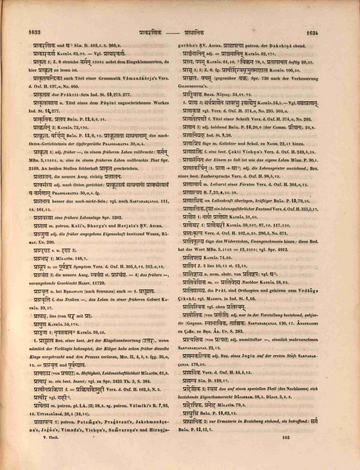
2. *prāṇa Adj. voll.
Originaltext · Deutsch · Substantiv Maskulin
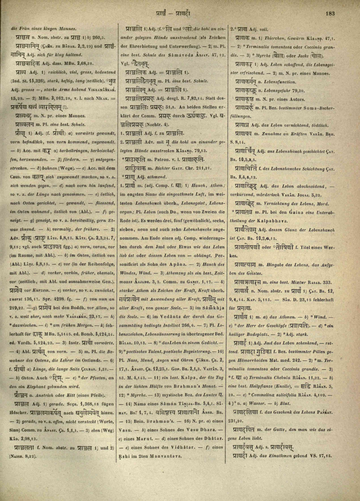
1. prāṇá m. (adj. Comp. f. ā) — 1〉 Hauch, Athem; im engsten Sinne die eingeathmete Luft. in weitesten Lebenshauch überh., Lebensgeist, Lebensorgan; Pl. Leben (auch Du., wenn von Zweien die Rede ist). Es werden drei, fünf (gewöhnlich), sechs, sieben, neun und auch zehn Lebenshauche angenommen. Am Ende eines adj. Comp. wiederzugeben durch dem Jmd oder Etwas wie das Leben lieb ist oder dessen Leben von — abhängt. personificirt als Sohn des Apāna. — 2〉 Hauch des Windes, Wind. — 3〉 Athemzug als ein best. Zeitmaass ĀRYABH. 3,2. Comm. zu GAṆIT. 1,17. — 4〉 Starker Athem als Zeichen der Kraft, Kraft überh. sarvaprāṇena mit Anwendung aller Kraft, praṇais mit aller Kraft, von ganzer Seele. — 5〉 im Sāṃkhya die Seele. — 6〉 im Vedānta der durch das Gesammtding bedingte Intellect Chr. 266,6. — 7〉 Pl. Lebenszeichen, Lebensäusserung in übertragener Bed. BĀLAR. 10,13. — 8〉 *das Leben in einem Gedicht. — 9〉 *poetisches Talent, poetische Begeisterung. — 10〉 Pl. Nase, Mund, Augen und Ohren ŚĀṄKH. ŚR. 2,17,1. ĀPAST. ŚR. 12,25,1. GOP. BR. 2,1,3, VAITĀN. 3,13. M. 4,143. — 11〉 ein best. Kalpa, der 6te Tag in der lichten Hälfte von Brahmanʼs Monat. — 12〉 *Myrrhe. — 13〉 mystische Bez. des Lautes ya. — 14〉 Name eines Sāman TĀṆḌYA-BR. 5,4,1. SĀMAV. BR. 1,7,4. vasiṣṭhasya prāṇāpanau ĀRṢ. BR. — 15〉 Bein. Brahmanʼs. — 16〉 N. pr. — a〉 eines Vasu. — b〉 eines Sohnes des Vasu Dhara. — c〉 eines Marut. — d〉 eines Sohnes des Dhātar. — e〉 eines Sohnes des Vidhātar. — f〉 eines Ṛṣi im 2ten Manvantara.
Originaltext · Deutsch · Worttyp nicht bestimmt
1. prāṇa 14〉 vgl. MBH. 3,313,54. [Nachtrag, Band 6]
Originaltext · Deutsch · Worttyp nicht bestimmt
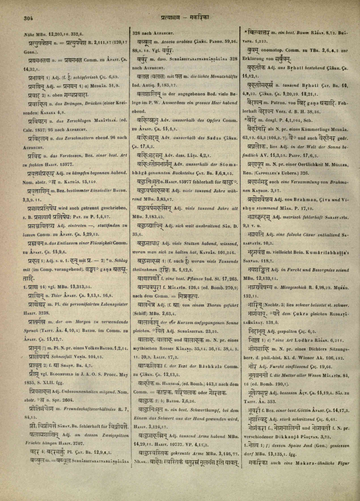
1. prāṇa IV. 6. [Nachtrag, Band 7]
Apte 1890 Substantiv Maskulin
Originaltext · Englisch · Substantiv Maskulin
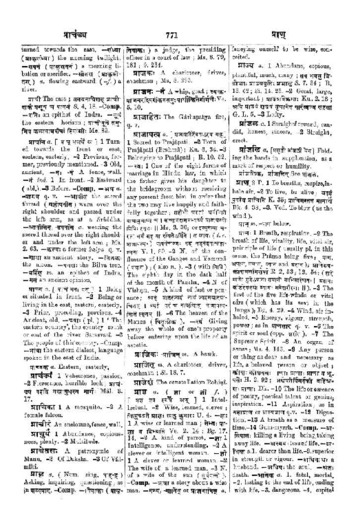
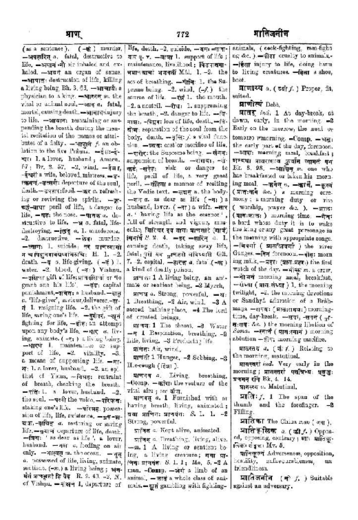
prāṇaḥ 1 Breath, respiration. 2 The breath of life, vitality, life, vital air, principle of life (usually pl. in this sense, the Prāṇas being five; prāṇa, apāna, samāna, vyāna and udāna); prāṇairupakrośamalamisairvā R. 2. 53; R. 12. 54; (hadi prāṇo gude'pānaḥ samāno nābhisaṃsthitaḥ . udānaḥ kaṃṭhadeśastho vyānaḥ sarvaśarīragaḥ ..). 3 The first of the five life-winds or vital airs (which has its seat in the lungs); Bg. 4. 29. 4 Wind, air inhaled. 5 Energy, vigour, strength, power; as in prāṇasāra q. v. 6 The spirit or soul (opp. śarīra). 7 The Supreme Spirit. 8 An organ of sense; Ms. 4. 143. 9 Any person or thing as dear and necessary as life, a beloved person or object; kośaḥ kośavataḥ prāṇāḥ prāṇāḥ prāṇā na bhūpateḥ H. 2. 92; arthapatervimardako bahiścarāḥ prāṇāḥ Dk. 10 The life or essence of poetry, poetical talent or genius; inspiration. 11 Aspiration; as in mahāprāṇa or alpaprāṇa q. v. 12 Digestion. 13 A breath as a measure of time. 14 Gum-myrrh. Comp. — atipātaḥ killing a living being, taking away life. — atyayaḥ loss of life. — adhika a. 1 dearer than life. 2 superior in strength or vigour. — adhināthaḥ a husband. — adhipaḥ the soul. — aṃtaḥ death. — aṃtika a. 1 fatal, mortal. 2 lasting to the end of life, ending with life. 3 dangerous. 4 capital ([Page 0772-a]) (as a sentence). — (kaṃ) murder. — apahārin a. fatal, destructive to life. — apānaṃ -nau air inhaled and exhaled. — ayanaṃ an organ of sense. — āghātaḥ destruction of life, killing a living being; Bh. 3. 63. — ācāryaḥ a physician to a king. — ātman m. the vital or animal soul. — āda a. fatal, mortal, causing death. — ābādhaḥ injury to life. — āyāmaḥ restraining or suspending the breath during the mental recitation of the names or attributes of a deity. — āhutiḥ f. an oblation to the five Prāṇas. — īśaḥ, — īśvaraḥ 1 a lover, husband; Amaru. 67; Bv. 2. 57. 2 wind. — īśā, — īśvarī a wife, beloved, mistress. — utkramaṇaṃ, -utsargaḥ departure of the soul, death. — upahāraḥ food. — kara a. refreshing or reviving the spirits. — kṛcchraṃ, -bādhā peril of life, a danger to life. — grahaḥ the nose. — ghātaka a. destructive to life. — ghna a. fatal, lifedestroying. — chid a. 1 murderous. 2 destructive. — chedaḥ murder. — tyāgaḥ 1 suicide; varaṃ prāṇatyāgo na ca piśunavākyeṣvabhiruciḥ H. 1. 2 death. — da a. life-giving. — (daṃ) 1 water. 2 blood. — (daḥ) Viṣṇu. — dakṣiṇā gift of life; prāṇadakṣiṇāṃ dā ‘to grant one his life’. — daṃḍaḥ capital punishment. — dayitaḥ a husband. — dātṛ a. ‘life-giver’, saviour, deliverer. — dānaṃ 1 resigning life. 2 the gift of life, saving one's life. — durodaraṃ, -dyūtaṃ fighting for life. — drohaḥ an attempt upon any body's life. — dhāra a. living, animate. — (raḥ) a living being. — dhāraṇaṃ 1 maintenance or support of life. 2 vitality. 3 a means of supporting life. — nāthaḥ 1 a lover, husband. 2 an epithet of Yama. — nigrahaḥ restraint of breath, checking the breath. — patiḥ 1 a lover, husband. 2 the soul. — patnī the voice. — parikrayaḥ staking one's life. — parigrahaḥ possession of life, life, existence. — prada, — dāyaka, -dāyin a. restoring or saving life. — prayāṇaṃ departure of life, death. — priyaḥ ‘as dear as life’, a lover, husband. — bhakṣa a. feeding on air only. — bhāsvat m. the ocean. — bhṛt a. possessed of life, living, animate, sentient. ( — m.) a living being; aṃtargataṃ prāṇabhṛtāṃ hi veda R. 2. 43. 2 N. of Viṣṇu. — mokṣaṇaṃ 1 departure of ([Page 0772-b]) life, death. 2 suicide. — yamaḥ = prāṇāyāma q. v. — yātrā 1 support of life; maintenance, livelihood; piṃḍapātamātraprāṇayātrāṃ bhagavatīṃ Māl. 1. 2 the act of breathing. — yoniḥ 1 the Supreme being. 2 wind. ( — f.) the source of life. — raṃdhraṃ 1 the mouth. 2 a nostril. — rodhaḥ 1 suppressing the breath. 2 danger to life. — vināśaḥ, -viplavaḥ loss of life, death. — viyogaḥ separation of the soul from the body, death. — vṛttiḥ f. a vital function. — vyayaḥ cost or sacrifice of life. — śarīraḥ the Supreme being. — saṃyamaḥ suspension of breath. — saṃśayaḥ, — saṃkaṭaṃ, -saṃdehaḥ risk or danger to life, peril of life, a very great peril. — saṃhitā a manner of reciting the Vedic text. — sadman n. the body. — sama a. as dear as life — (maḥ) a husband, lover. — (mā) a wife. — sāra a. ‘having life as the essence’, full of strength and vigour, muscular; giricara iva nāgaḥ prāṇasāraṃ (gātraṃ) bibharti Ś. 2. 4. — hara -hārin a. 1 causing death, taking away life, fatal; puro mama prāṇaharo bhaviṣyasi Gīt. 7. 2 capital. — hāraka a. fatal. — (kaṃ) a kind of deadly poison.
Cappeller 1887 Substantiv Maskulin
Originaltext · Deutsch · Substantiv Maskulin
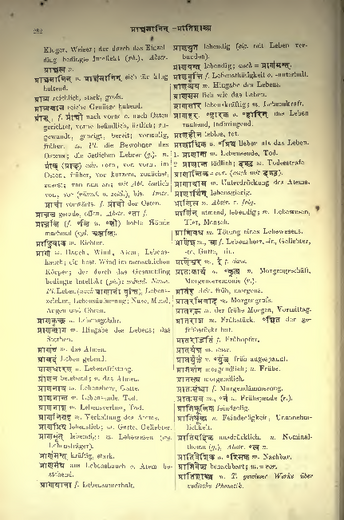
prāṇá m. Hauch, Wind, Atem, Lebenshauch; ein best. Wind im menschlichen Körper; der durch das Gesamtding bedingte Intellekt (ph.); männl. Name. Pl. Leben (auch prāṇānāṃ vṛtti), Lebenszeichen, Lebensäußerung; Nase, Mund, Augen und Ohren.
Burnouf 1866 Adjektiv · Substantiv Maskulin
Originaltext · Französisch · Adjektiv
prāṇa prāṇa a. (pṝ) plein, rempli; lat. plenus.
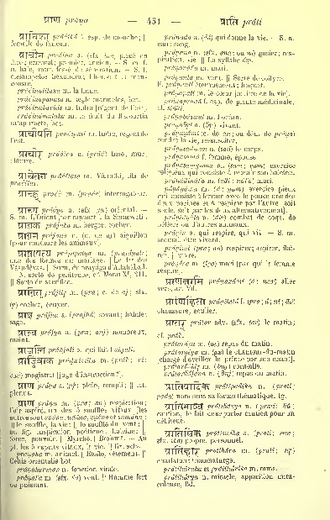
Originaltext · Französisch · Substantiv Maskulin
prāṇa prāṇa m. (pra; an) respiration; l'air aspiré, un des 5 souffles vitaux [les autres sont apāna, udāna, vyāna et samāna]; le souffle, la vie; le souffle du vent; au fig. inspiration poétique, haleine; force, pouvoir. Myrrhe. Brahmā. — Au pl. les 5 esprits vitaux, la vie. Gr. φρὴν. prāṇaka m. animal. Etoffe, vêtement. Celtis orientalis bot. prāṇakarman n. fonction vitale. prāṇatha m. (sfx. tha) vent. Homme fort ou puissant. [Page451-2] prāṇada a. (dā) qui donne la vie. — S. n. eau; sang. prāṇana n. (sfx. ana; ou nī) gosier; respiration, vie. La syllabe oṃ. prāṇanātha m. mari. prāṇanta m. vent. Sorte de collyre. — F. prāṇantī éternuement; hoquet. prāṇapati m. le cœur [maître de la vie]. prāṇapradā f. esp. de plante médicinale, cf. siddhi. prāṇabhāsvat m. l'océan. prāṇabhṛt a. (bhṛ) vivant. prāṇayāmi (c. de an; ou dén. de prāṇa) rendre la vie, ressusciter. prāṇasadman n. (sad) le corps. prāṇasamā f. femme, épouse. prāṇasaṃyama m. (sam; yam) exercice religieux qui consiste à retenir son haleine. prāṇādhinātha m. (adhi; nātha) mari. prāṇāyāma m. (ā; yam) exercice pieux qui consiste à fermer avec le pouce une des deux narines et à respirer par l'autre [soit seule, soit par les deux alternativement]. prāṇidyūta n. (div) combat de coqs, de béliers ou d'autres animaux. prāṇin a. qui respire, qui vit. — S. m. animal, être vivant. prāṇimi (pra; an) respirer; aspirer, flairer; vivre. prāṇeśa m. (īśa) mari [par qui la femme respire].
Abgeleitete Wörter
Quelltextfundstellen (112)
DYS 5 Fundstellen
GoS 19 Fundstellen
GoS 20–28: Sarasvatī in Bewegung 3 Fundstellen
Direkt belegt
GoS 50–63: Drei Verschlüsse 4 Fundstellen
Direkt belegt
Weitere 5 Quelltextseiten
GoS 81–88: Mond, Flüssigkeit und Vereinigung 2 Fundstellen
Direkt belegt
HP 40 Fundstellen
HP 2.7-2.10: Nāḍīśodhana 3 Fundstellen
Direkt belegt
Weitere 18 Quelltextseiten
HP 3.49-3.57: Mūlabandha 3 Fundstellen
Direkt belegt
HP 4.0*1-4.0*14: Samādhi und Laya 4 Fundstellen
Direkt belegt
HTK 1 Fundstelle
PJH 1 Fundstelle
PYS 3 Fundstellen
SiSa 33 Fundstellen
SiSa 3.1-3.10: Herzlotus und Prāṇa 5 Fundstellen
Direkt belegt
SiSa 3.49-3.50: Karma-Reinigung 2 Fundstellen
Über Ableitungen belegt
Weitere 13 Quelltextseiten
SiSa 3.68-3.80: Vāyusādhana 4 Fundstellen
Direkt belegt
SiSa 5.144-5.155: Ājñā und Khecarī 2 Fundstellen
Direkt belegt
-
SiSa 5.152 Segment 1
-
SiSa 5.152 Segment 11
SiSa 5.156-5.181: Sahasrāra 3 Fundstellen
Direkt belegt
-
SiSa 5.163 Segment 15
-
SiSa 5.166 Segment 6
-
SiSa 5.176 Segment 13
SS 2 Fundstellen
SVU 4 Fundstellen
VBT 4 Fundstellen
Mit AYI Free weitermachen
Bildquelle: AYI Archiv.